
Search Results
386 Results Found for “Aging”

Duchenne muscular dystrophy (DMD) is an X-linked myopathy resulting from inactivating dystrophin mutations that cause progressive muscle breakdown, affecting 1:5,000 live male births globally. Boys with DMD are typically diagnosed at ~4 years of age, lose ambulation as preteens and die of ...
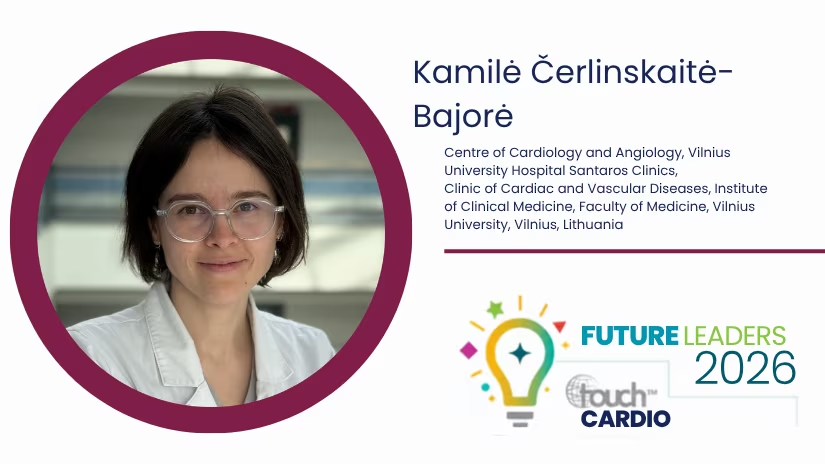
Dr Kamilė Čerlinskaitė-Bajorė is a cardiologist and touchCARDIO Future Leader 2026. In this interview, she discusses her journey into cardiology and heart failure, the mentors who have shaped her career, the challenges of caring for complex patients, and the importance of resilience and support from colleagues. She also shares her enthusiasm for advances in heart failure treatment and emerging research into heart failure with preserved ejection fraction.
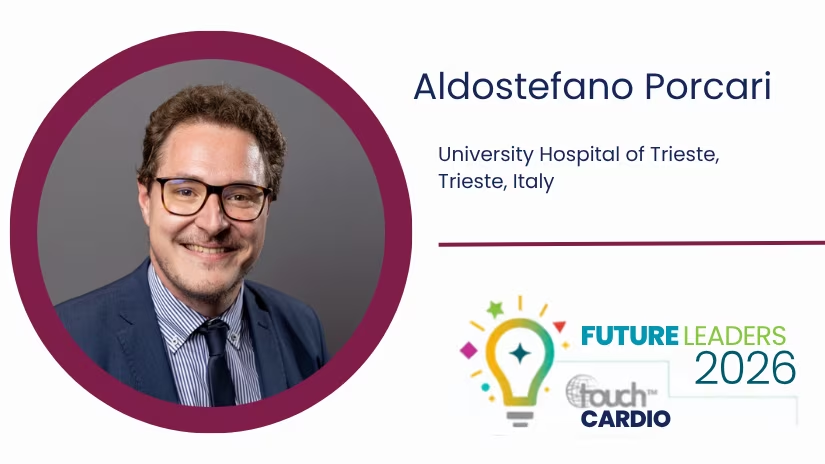
Dr Aldostefano Porcari is a Consultant Cardiologist and touchCARDIO Future Leader 2026. In this interview, he discusses his journey into cardiology, the mentors and experiences that shaped his career, the clinical reasoning that drives his interest in complex cases, and the importance of understanding your strengths and finding a specialty that aligns with who you are.
Meet the cardiologists shaping the future of the specialty. Our touchCARDIO Future Leaders 2026 are rising stars nominated by the cardiology community for their contributions to research, clinical practice and innovation. Discover the clinicians and researchers challenging convention, advancing care and driving progress across cardiology.
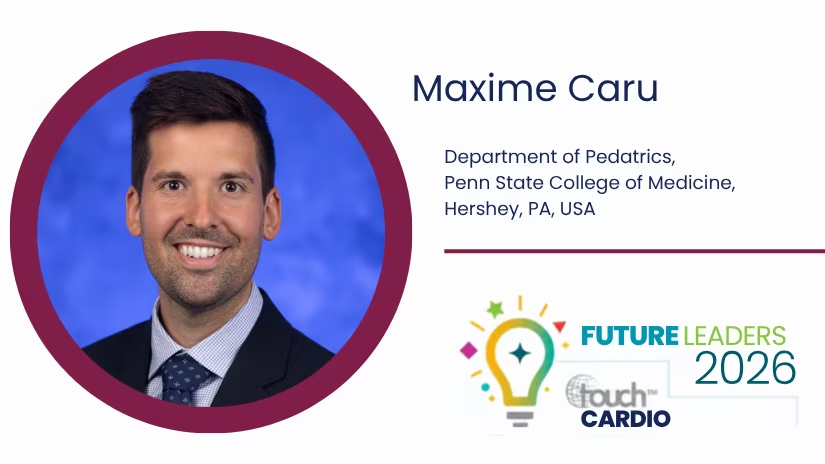
Dr Maxime Caru is a pediatric exercise physiologist, researcher and touchCARDIO Future Leader 2026. In this interview, he discusses his journey into cardio-oncology, the mentors who shaped his career, the role of physical activity in reducing treatment-related cardiotoxicity in pediatric cancer survivors and his vision for integrating exercise and supportive care into standard pediatric oncology practice.
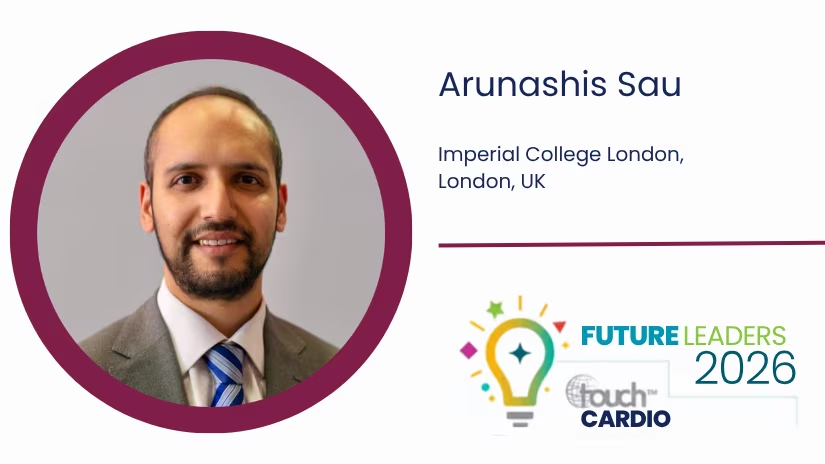
Dr Arunashis Sau is a cardiologist, electrophysiologist and touchCARDIO Future Leader 2026. In this interview, he discusses his journey into electrophysiology, the mentors who shaped his career, combining clinical training with research, and his work using artificial intelligence to unlock new insights from ECGs and other clinical data.
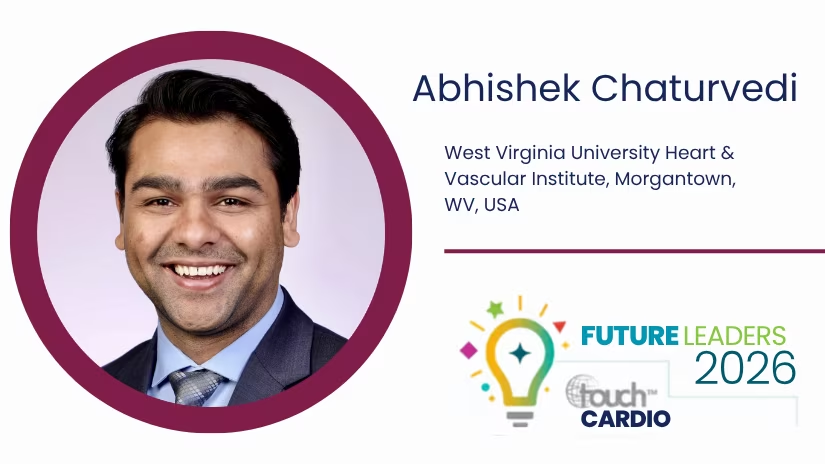
Dr Abhishek Chaturvedi is a cardiologist and touchCARDIO Future Leader 2026. In this interview, he discusses his journey into cardiology, the mentors and experiences that shaped his career, his passion for interventional cardiology and cardiovascular research, and the importance of combining clinical excellence, scientific discovery and global health initiatives to improve patient outcomes.
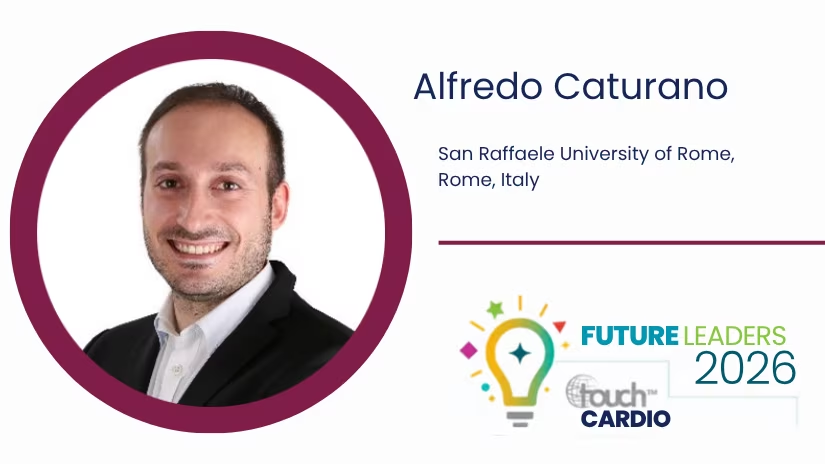
Dr Alfredo Caturano is an Assistant Professor of Internal Medicine and touchCARDIO Future Leader 2026. In this interview, he discusses his journey into cardiovascular and cardiometabolic medicine, the mentors who shaped his career, the challenges and rewards of clinical research, and the evolving links between diabetes, obesity and cardiovascular disease, as well as his vision for more personalised approaches to cardiometabolic care.
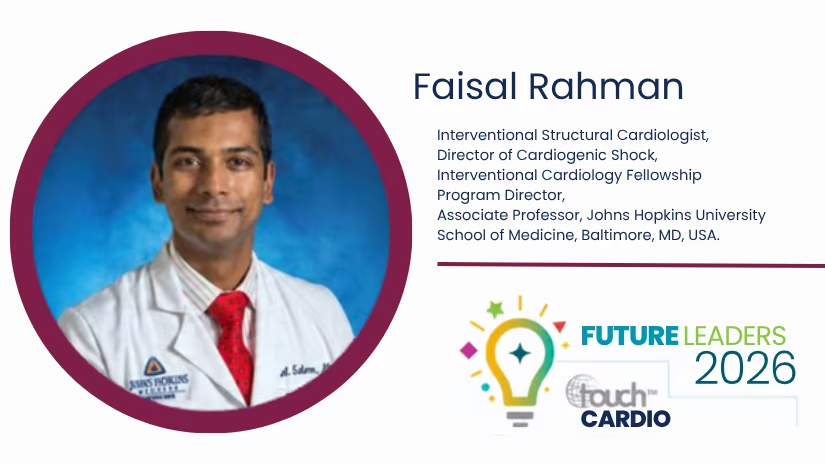
Dr Faisal Rahman is an interventional structural cardiologist and touchCARDIO Future Leader 2026. In this interview, he discusses his journey into cardiology, the mentors and role models who shaped his career, the rewards of caring for complex patients and developing trainees, and his vision for advancing cardiogenic shock, structural heart disease, research and education.
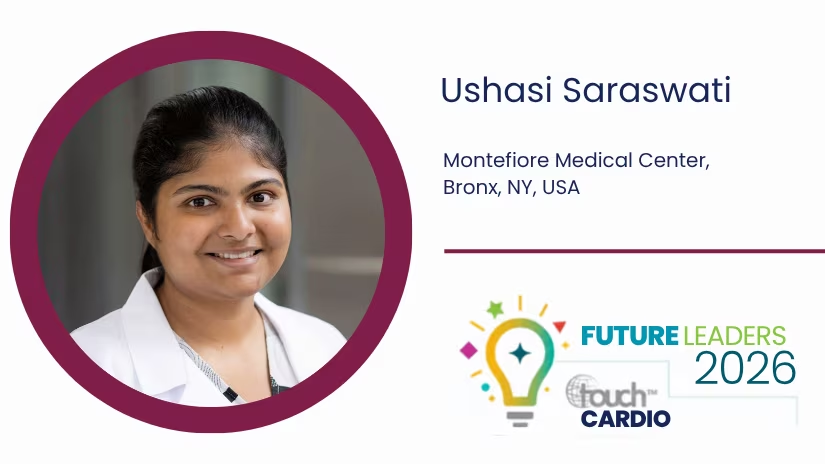
Dr Ushasi Saraswati is a physician specialising in cardiovascular medicine and touchCARDIO Future Leader 2026. In this interview, she discusses her journey into cardiology, the mentors who shaped her approach to medicine, the rewarding experience of caring for a patient with a complex diagnosis, and the importance of combining scientific curiosity and clinical expertise with compassion, clear communication and a commitment to patient-centred care.
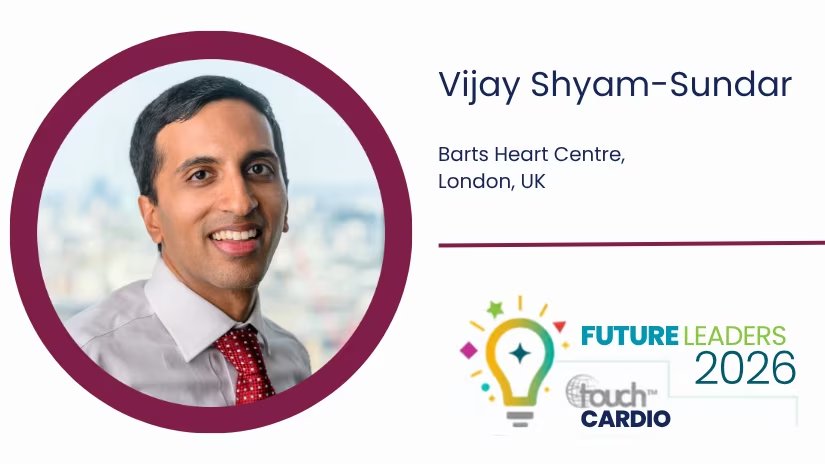
Dr Vijay Shyam-Sundar is a cardiologist and touchCARDIO Future Leader 2026. In this interview, he discusses his journey into cardiology and clinical academia, the mentors who shaped his career, the challenges of research funding, and his work developing artificial intelligence to improve cardiovascular care, as well as his vision for the safe, explainable and effective use of AI in clinical practice.


ABLATE versus PACE: Pacemaker strategy reduces clinically relevant events in older patients with persistent atrial fibrillation Randomised trial shows substantially fewer hospitalisations and repeat interventions than pulmonary vein isolation. The benefit was partly offset by more heart failure events and ...

Immediate 14-day ambulatory ECG monitoring did not significantly reduce recurrent syncope at 1 year in the ASPIRED trial, but it more than doubled the detection of clinically significant arrhythmias and enabled earlier diagnosis and treatment. Following the presentation, Prof. Matthew Reed, from the Usher Institute, University of Edinburgh, and the Emergency Medicine Research Group Edinburgh, spoke about the origins of ASPIRED, the importance of earlier investigation for patients with syncope, and how this approach might be incorporated into routine care.

Cardiovascular diseases (CVDs) are the leading cause of morbidity and mortality worldwide.1 High systolic blood pressure (SBP) remains one of the top risk factors for CVD burden globally.2 Despite being a modifiable risk factor, hypertension (HTN) remains largely undiagnosed and ...

Prof. Thomas Thum discusses Phase II findings from the HF-REVERT study, what they suggest about patient selection for RNA-based therapies, and how these approaches could offer new ways to treat heart failure.

Prof. Jens Cosedis Nielsen discusses the DANISH-CRT trial, why targeted electrical mapping did not improve outcomes, and the questions that remain around the future of cardiac resynchronization therapy.
Log into your Touch Account
Keep track of your clinical interests and newsletter subscriptions.
Sign up with an Email
Or use a .
Register now for FREE access
Already registered? Login below.
