
Search Results
251 Results Found for “Arrhythmias”

Immediate 14-day ambulatory ECG monitoring did not significantly reduce recurrent syncope at 1 year in the ASPIRED trial, but it more than doubled the detection of clinically significant arrhythmias and enabled earlier diagnosis and treatment. Following the presentation, Prof. Matthew Reed, from the Usher Institute, University of Edinburgh, and the Emergency Medicine Research Group Edinburgh, spoke about the origins of ASPIRED, the importance of earlier investigation for patients with syncope, and how this approach might be incorporated into routine care.

The first dedicated ESC Guidelines on the management of cardiovascular disease and chronic kidney disease recommend kidney function and urine albumin testing in all patients with cardiovascular disease, with an emphasis on identifying CKD early and initiating effective treatment without delay.

Late-breaking clinical research will once again be a major focus at ESC Congress 2026, taking place in Munich, Germany, from August 28–31. This year, a record 59 trials have been selected for presentation across 12 Hot Line sessions, spanning new pharmacological approaches, diagnostic strategies, devices, imaging and digital technologies.

At EHRA 2026, Professor Claudio Tondo presents his highlights on advances in ablation and device technologies, led by pulsed field ablation, showcasing a rapidly evolving landscape in the treatment of complex arrhythmias.

Ventricular fibrillation (VF) is characterized by rapid (>300 beats a per minute), irregular electrical activation with variable electrocardiographic waveforms that prevents coordinated myocardial contraction, resulting in immediate loss of cardiac output.1 It most commonly occurs in the context of coronary ...

Sudden cardiac arrest (SCA) in young adults (typically defined as individuals younger than 40 years) has emerged as an important yet under-recognized public health concern. Recent estimates suggest an incidence of approximately 1–4 cases per 100,000 person-years, underscoring the clinical and epidemiological relevance ...

At EHRA 2026, late-breaking trials across ablation, devices, and drug therapy signal major shifts in arrhythmia management, highlighting both rapid innovation and key unanswered questions. We spoke to Prof Jose Luis Merino for his highlights.

From EHRA 2026, Dr Salik Ur Rehman discusses advances in pulsed field ablation, mapping technologies, and conduction system pacing highlight a rapidly evolving landscape in electrophysiology care.

At EHRA 2026, new research presented by Professor Elaine Chew explores how music-based digital tools can enhance arrhythmia detection and enable personalized, AI-driven approaches to cardiovascular diagnosis and therapy.

The ASPC launches a new working group to advance women in preventive cardiology, tackling gaps in mentorship, leadership, and representation while improving cardiovascular care for women - we spoke to co-Chair Dr Kardie Tobb about the groups' inception and their plans for reducing inequality for women cardiologists.
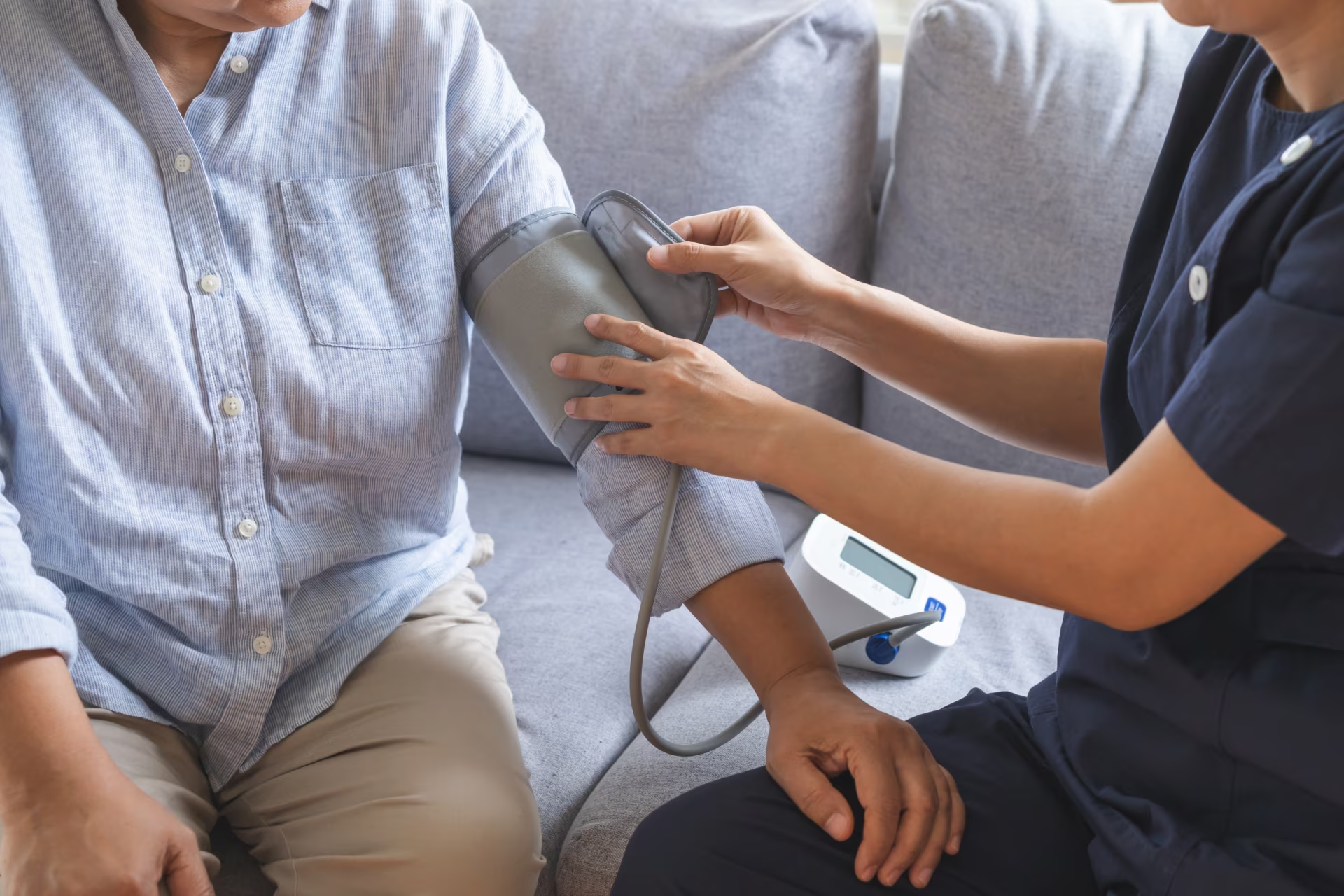
Hypertension affects over 1.4 billion adults worldwide and remains the leading modifiable risk factor for global cardiovascular (CV) morbidity and mortality. It is responsible for an estimated 10.8 million deaths annually and contributes significantly to the global burden of ischaemic heart disease, ...

Atrial fibrillation (AF) remains a major clinical challenge in Europe, with ongoing needs for greater precision, safety, and long-term durability in ablation. The recent CE Mark approval of the TactiFlex™ Duo Ablation Catheter, combining high-resolution mapping with emerging pulsed-field ablation (PFA) technology, offers a new option to help address these gaps. Dr John Silberbauer explores how the device may enhance AF treatment, reviews the supporting clinical evidence, and considers what this milestone means for physicians and patients across Europe.
Dr Andreas Boehmer joins the Heart International Editorial Board with expertise in electrophysiology
We are pleased to announce the appointment of Dr Andreas Boehmer to the Heart International Editorial Board. Dr Boehmer is an Electrophysiology Fellow at St. Josefs-Hospital Wiesbaden in Germany, where he works within the Department of Cardiology and conducts research focused on interventional therapies for cardiac arrhythmias and the treatment of patients with tachycardiomyopathy.

We are delighted to welcome Dr Sushant Saluja, NIHR Clinical Lecturer in Cardiology at the University of Manchester, to our Editorial Board. Dr Saluja brings a distinguished record in interventional cardiology, population genetics and precision medicine, with research published in leading journals including Nature Genetics, Nature Communications, European Heart Journal and the Journal of Hypertension.

Heart failure (HF) is a global health burden, with a 2019 prevalence of 711.90 per 100,000 population, totalling 56.19 million cases and 5.05 million years lived with disability, despite only modest declines since 1990.1 Recent years have shown an uptick in prevalence, driven by ageing populations ...

Cardiovascular disease (CVD) is one of the major causes of morbidity and mortality throughout the world.1,2 While traditional risk factors are managed intensively, many individuals continue to have considerable residual risk, and emerging factors such as inflammatory mediators are being ...
New perspectives from ESC 2025 point to cryoablation as a streamlined and safer option for managing atrial fibrillation in heart failure, offering the potential for earlier treatment and broader access in busy healthcare systems.
The POLAR-HF trial shows that early, simplified pulmonary vein isolation is safe and effective in patients with atrial fibrillation and reduced ejection fraction, reinforcing the importance of timely rhythm control without the need for complex ablation strategies.
Log into your Touch Account
Keep track of your clinical interests and newsletter subscriptions.
Sign up with an Email
Or use a .
Register now for FREE access
Already registered? Login below.
