
Search Results
102 Results Found for “Atherosclerosis”

AMUNDSEN showed that immediate initiation of evolocumab after myocardial infarction substantially increased LDL-C goal achievement, but did not significantly reduce death or cardiovascular hospitalization at 1 year. Starting evolocumab immediately after myocardial infarction (MI) more than doubled the proportion of patients ...


ESC Congress 2026 begins in Munich on August 28, bringing four days of new cardiovascular research, clinical guidance and discussion. Early data released ahead of the meeting provide a first look at some of the science to come.

Dr Arasi Maran explores practical strategies for integrating lifestyle interventions into the management of complex coronary artery disease, including how to prioritise modifiable risk factors, communicate recommendations effectively and support sustained behaviour change. She also discusses the role of imaging, reliable health information and patient-centred approaches to improving adherence.

Arrowhead Pharmaceuticals, Inc. (Pasadena, CA) has reported topline results from two phase III trials evaluating plozasiran in adults with severe hypertriglyceridemia (sHTG), according to a recent press release.1 Plozasiran, an siRNA therapy directed against apolipoprotein C-III (APOC3) messenger RNA, is already approved as Redemplo for adults with familial chylomicronemia syndrome but remains investigational for the broader sHTG population.

The FDA has approved enlicitide (LIPFENDRA®; Merck, Rahway, NJ, USA) tablets, 20 mg, as an adjunct to diet and exercise to reduce low-density lipoprotein cholesterol (LDL-C) in adults with hypercholesterolemia, including heterozygous familial hypercholesterolemia (HeFH), according to a press release from Merck.1 Enlicitide is a novel macrocyclic peptide and the first FDA-approved oral proprotein convertase subtilisin/kexin type 9 (PCSK9) inhibitor for lowering LDL-C.

touchCARDIO Future Leaders 2026 Following the successful introduction last year of our touchCARDIO Future Leaders, we are delighted to announce that nominations are now open for the 2026 edition. This initiative celebrates the next generation of pioneers in cardiology, those whose passion, ...

New late-breaking data presented on Day 3 of EuroPCR 2026 highlighted evolving approaches to antiplatelet therapy, transcatheter treatment of pure aortic regurgitation and procedural optimization in bicuspid TAVR

From ACC26, Dr Matt Budoff shared his highlights, including the new cholesterol guidelines and imaging advances position coronary artery calcium scoring at the heart of personalized cardiovascular risk assessment and prevention.
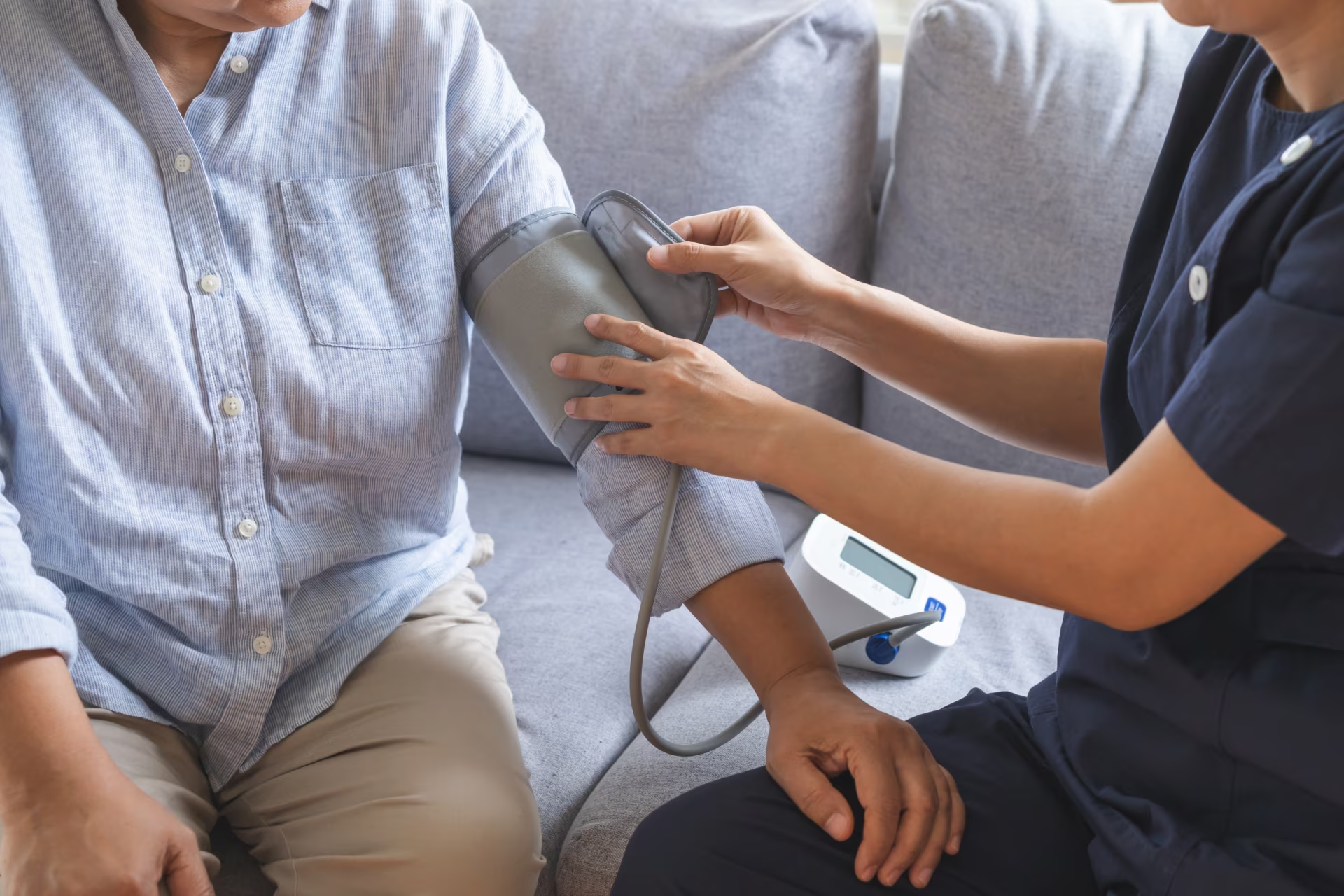
Hypertension affects over 1.4 billion adults worldwide and remains the leading modifiable risk factor for global cardiovascular (CV) morbidity and mortality. It is responsible for an estimated 10.8 million deaths annually and contributes significantly to the global burden of ischaemic heart disease, ...

Europe loses 1.7 million lives each year to cardiovascular disease, a burden that costs billions and affects millions more. The Safe Hearts Plan sets out an ambitious shift toward prevention, earlier detection and recognition of lifelong genetic risk. As expectations rise, debate is already growing over whether the strategy can translate bold goals into measurable improvements in care and outcomes across the EU.

The American Diabetes Association has released its 2026 Standards of Care, reflecting major advances in diabetes and cardiometabolic management. In this Q&A, Dr Robert Gabbay (Joslin Diabetes Center, Boston, MA, USA) discusses expanded roles for GLP-1–based therapies, updated cardiovascular risk targets, and a growing emphasis on integrated, whole-person care with important implications for cardiovascular clinical practice.

Cardiovascular medicine in 2025 has been marked by rapid innovation and meaningful shifts in clinical practice. In this year-in-review, touchCARDIO brings together expert reflections highlighting paradigm-changing trial data, the emergence of pulsed field ablation and conduction system pacing, advances in imaging and prevention, and the accelerating integration of artificial intelligence. Collectively, these perspectives underscore a field evolving toward more precise, technology-enabled and preventive cardiovascular care, while emphasising the need to translate scientific progress into improved outcomes for patients worldwide.

A first-of-its-kind CAR Treg therapy has shown plaque-reducing effects in a preclinical model of atherosclerosis, signalling a potential shift toward targeted immunomodulation in cardiovascular disease. Could OxLDL-directed Tregs become the next major advance in cardio-immunotherapy?

Epicardial adipose tissue (EAT) is a fat collection directly adjacent to the myocardium and coronary vasculature, lacking any separation and sharing the same circulation.1,2 This anatomy enables direct signalling between EAT and the surrounding tissue, positioning EAT as a central ...

Cardiovascular disease (CVD) is one of the major causes of morbidity and mortality throughout the world.1,2 While traditional risk factors are managed intensively, many individuals continue to have considerable residual risk, and emerging factors such as inflammatory mediators are being ...

In this episode, Nicky speaks with Prof. Georgina Ellison-Hughes from King’s College London about the groundbreaking field of senolytics and their potential to advance the treatment of age-related diseases. From understanding the science behind cellular senescence to how senolytic drugs work and what early clinical trials reveal, this episode explores an exciting frontier in longevity medicine.

The ESC Congress 2025 congress was an important meeting for clinical practice guidance in cardiology, with several major societies releasing long-awaited updates. As always, clinical practice guidelines remain central to cardiology, ensuring that the latest trial data and real-world evidence are rapidly translated into consistent, evidence-based patient care. This year’s congress saw the unveiling of important new documents across prevention, acute care and long-term management, equipping cardiologists with refined decision pathways, updated risk-stratification tools and clearer benchmarks to optimise patient outcomes.
Log into your Touch Account
Keep track of your clinical interests and newsletter subscriptions.
Sign up with an Email
Or use a .
Register now for FREE access
Already registered? Login below.
