
Search Results
129 Results Found for “Cardiovascular physiology”

Native valve infective endocarditis (IE) is rare, with an incidence of 3–7 cases per 100,000 person-years.1,2 Cardiac structural complications from local infection extension include valvular destruction, peri-annular abscess and fistula formation. Left ventricular pseudoaneurysm (LVP) from IE is exceedingly rare, occurring in &...

A proteomic analysis presented as late-breaking research at ENDO 2026 found that treatment with lorundrostat was associated with reductions in several circulating biomarkers linked to heart failure risk in patients with uncontrolled hypertension.

At EHRA 2026, Professor Claudio Tondo presents his highlights on advances in ablation and device technologies, led by pulsed field ablation, showcasing a rapidly evolving landscape in the treatment of complex arrhythmias.

Cardiovascular care continues to evolve in response to increasingly complex clinical realities, where advances in intervention, electrophysiology and population health must be integrated with a more critical appraisal of long-held assumptions. Across disciplines, there is a growing recognition that improving ...
touchCARDIO Future Leaders 2026 Following the successful introduction last year of our touchCARDIO Future Leaders, we are delighted to announce that nominations are now open for the 2026 edition. This initiative celebrates the next generation of pioneers in cardiology, those whose passion, ...

New late-breaking data presented on Day 3 of EuroPCR 2026 highlighted evolving approaches to antiplatelet therapy, transcatheter treatment of pure aortic regurgitation and procedural optimization in bicuspid TAVR

Day 2 hotline data at EuroPCR 2026 highlighted improved outcomes with FFR-guided PCI in TAVI, comparable 10-year survival with PCI and CABG in left main disease and consistent LAAC benefits across age groups.

From ACC26, Dr Matt Budoff shared his highlights, including the new cholesterol guidelines and imaging advances position coronary artery calcium scoring at the heart of personalized cardiovascular risk assessment and prevention.

From breakthrough prevention strategies to pivotal late-breaking trials, ACC.26 showcased the rapidly evolving future of cardiovascular care.
At EHRA 2026, new research presented by Professor Elaine Chew explores how music-based digital tools can enhance arrhythmia detection and enable personalized, AI-driven approaches to cardiovascular diagnosis and therapy.

At ACC26, Dr Mardi Gomberg-Maitland presented results from the CADENCE trial, showing how sotatercept significantly improves pulmonary hemodynamics in HFpEF-associated pulmonary hypertension, offering hope for the first targeted therapy in this high-risk population.

The ASPC’s new Women’s Cardiovascular Health Working Group highlights sex-specific risk factors and prevention strategies, offering critical insights for improving outcomes in female patients - we spoke to co-Chair Dr Martha Gulati about the inception of the group and their goals for preventing cardiovascular disease in women.
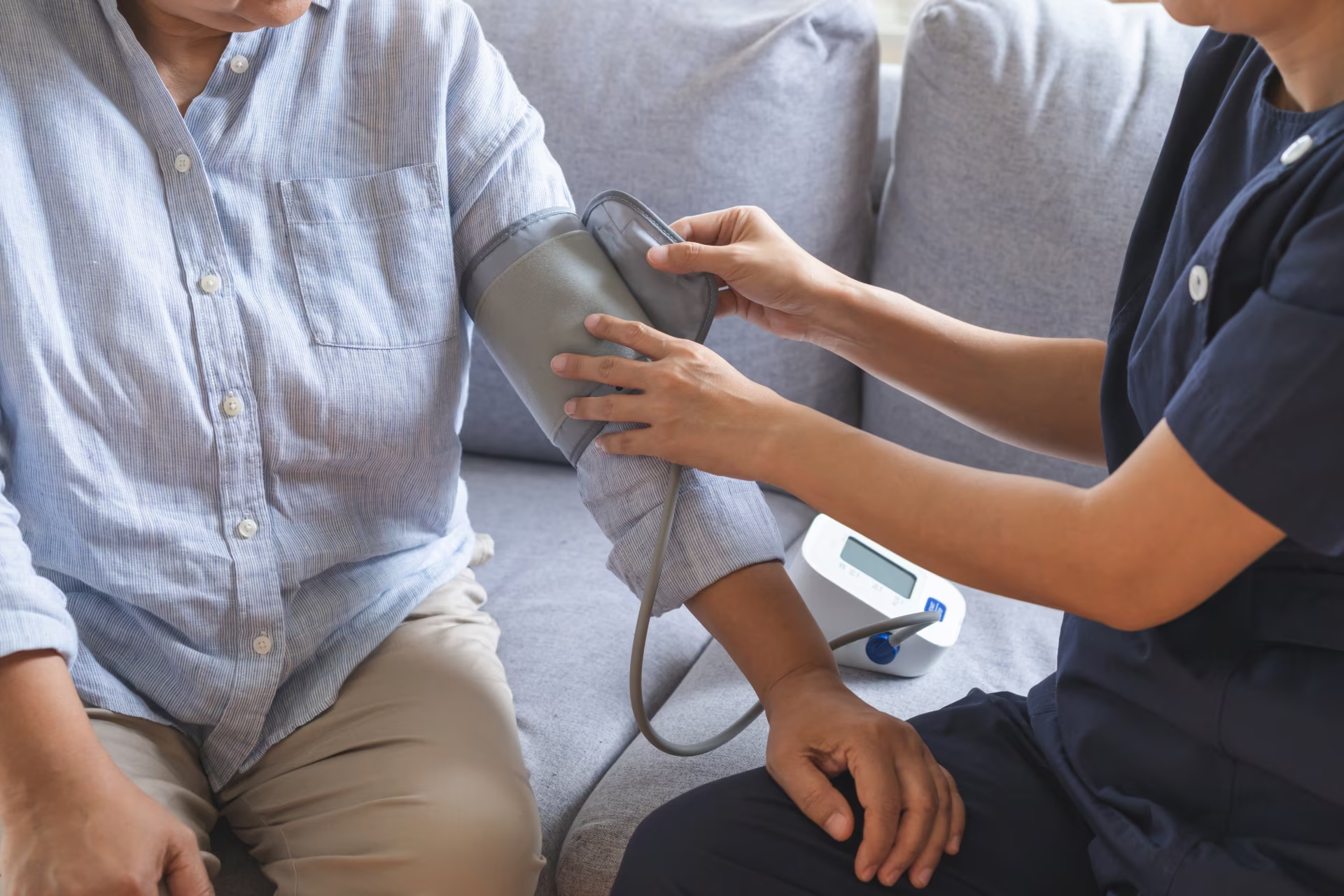
Hypertension affects over 1.4 billion adults worldwide and remains the leading modifiable risk factor for global cardiovascular (CV) morbidity and mortality. It is responsible for an estimated 10.8 million deaths annually and contributes significantly to the global burden of ischaemic heart disease, ...

Hypertension has been associated with increased cardiovascular morbidity and mortality, as well as with overall elevated all-cause mortality.1 Prevalence increases with age, affecting 28.5% of US individuals aged 20–44 years, 58.6% of those aged 45–64 years and 76.5% of those aged 65 years and older.2 In ...
Dr Andreas Boehmer joins the Heart International Editorial Board with expertise in electrophysiology
We are pleased to announce the appointment of Dr Andreas Boehmer to the Heart International Editorial Board. Dr Boehmer is an Electrophysiology Fellow at St. Josefs-Hospital Wiesbaden in Germany, where he works within the Department of Cardiology and conducts research focused on interventional therapies for cardiac arrhythmias and the treatment of patients with tachycardiomyopathy.

Adult congenital heart disease is no longer a niche condition confined to childhood, but a lifelong and increasingly complex cardiovascular diagnosis. The new ACC/AHA guideline reframes care around continuity with specialised services, proactive mental health assessment, and encouragement of safe physical activity, signalling a shift from lesion-focused surveillance to holistic, life-course management that better reflects the realities facing today’s adult patients.

Cardiovascular medicine in 2025 has been marked by rapid innovation and meaningful shifts in clinical practice. In this year-in-review, touchCARDIO brings together expert reflections highlighting paradigm-changing trial data, the emergence of pulsed field ablation and conduction system pacing, advances in imaging and prevention, and the accelerating integration of artificial intelligence. Collectively, these perspectives underscore a field evolving toward more precise, technology-enabled and preventive cardiovascular care, while emphasising the need to translate scientific progress into improved outcomes for patients worldwide.
Log into your Touch Account
Keep track of your clinical interests and newsletter subscriptions.
Sign up with an Email
Or use a .
Register now for FREE access
Already registered? Login below.
