
Search Results
10 Results Found for “Coronary dissections”

As 2025 draws to a close, we’re celebrating another remarkable year of growth, collaboration and innovation at touchCARDIO. From thought-provoking expert interviews and peer-reviewed research to dynamic conference coverage and an expanding portfolio of medical education, this year has been defined by meaningful conversations and impactful learning. We’ve had the privilege of engaging with leading clinicians, researchers and partner societies across the globe - bringing together diverse voices to support the cardiology community with timely, accessible and authoritative content. As we reflect on the past 12 months, we’re proud to highlight the moments, milestones and stories that shaped our year.

Cardiovascular medicine continues to advance at a remarkable pace, driven by innovation, interdisciplinary collaboration and an ever-deepening understanding of disease mechanisms. As patient populations age and chronic conditions become increasingly complex, the field stands at the intersection of precision therapy, ...

Coronary artery dissection is a common occurrence during lesion preparation and after drug-coated balloon (DCB) inflation.1 Recent DCB studies focusing on coronary dissections have shown a few key findings: Their angiographic incidence varies between 35 and 60%. Non-flow-limiting dissections left untreated had ...
Welcome to this issue of Heart International. As ever, we aim to provide our readers with the latest developments, insights, and evidence-based discussions in cardiovascular care. This edition is particularly poignant, as we begin with a heartfelt tribute to an ...

Forty-seven years ago, Andreas Gruentzig introduced ‘percutaneous transluminal coronary angioplasty’ (PTCA) as a new approach to treating symptomatic occlusive coronary artery disease.1 The mechanism of balloon angioplasty (BA) formed the foundation around which newer equipment and technologies were developed, including ...

Highlights Failure to target and deliver durable radiofrequency lesions to all functionally critical areas has been identified as an important cause of ventricular tachycardia recurrence and is particularly challenging in deep midmyocardial or very extensive substrate where point-by-point radiofrequency ablation ...

The first coronary stent was implanted by Sigwart and Puel in 1986.1 Coronary stents were initially used to treat failure of balloon angioplasty treatment, i.e. as bail-out for acute vessel closure (due to dissections) or restenosis (due to elastic recoil). ...

...
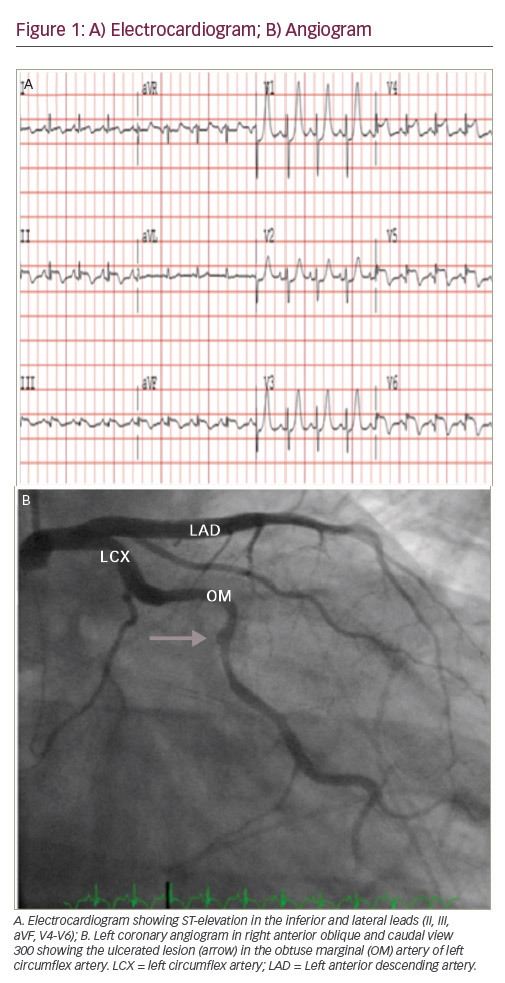
Chest pain evaluation during pregnancy or the post-partum period poses diagnostic and therapeutic dilemma. The differential diagnosis would include acute myocardial infarction, coronary spasm, dissection, myocarditis and non-cardiac chest pain. Spontaneous coronary artery dissection (SCAD) is a rare cause of ...
Log into your Touch Account
Keep track of your clinical interests and newsletter subscriptions.
Sign up with an Email
Or use a .
Register now for FREE access
Already registered? Login below.
