
Search Results
104 Results Found for “Exercise”

Immediate 14-day ambulatory ECG monitoring did not significantly reduce recurrent syncope at 1 year in the ASPIRED trial, but it more than doubled the detection of clinically significant arrhythmias and enabled earlier diagnosis and treatment. Following the presentation, Prof. Matthew Reed, from the Usher Institute, University of Edinburgh, and the Emergency Medicine Research Group Edinburgh, spoke about the origins of ASPIRED, the importance of earlier investigation for patients with syncope, and how this approach might be incorporated into routine care.

Dr Jonathan Piccini discusses rhythm control in patients with atrial fibrillation and heart failure with preserved ejection fraction, the growing role of catheter ablation, and the evidence still needed to define its impact on cardiovascular outcomes.

The European Society of Cardiology (ESC) has published its first dedicated clinical practice guidelines on cardiac rehabilitation, calling for rehabilitation to be considered a core component of care across a broader range of cardiovascular conditions. Published in the European Heart ...

Prof. Maria Bäck discusses the first dedicated ESC Guidelines on cardiac rehabilitation, why personalization and multidisciplinary care are central to their recommendations, and the importance of increasing referral to rehabilitation programs.

Dr Bjarne Nes discusses findings from the NEXAF trial, which showed that a one-year exercise program reduced atrial fibrillation burden in patients with non-permanent AF.

Phase III ACACIA-HCM results show significant improvements in symptoms and functional capacity with aficamten in patients with symptomatic non-obstructive hypertrophic cardiomyopathy.

Late-breaking clinical research will once again be a major focus at ESC Congress 2026, taking place in Munich, Germany, from August 28–31. This year, a record 59 trials have been selected for presentation across 12 Hot Line sessions, spanning new pharmacological approaches, diagnostic strategies, devices, imaging and digital technologies.

The FDA has approved enlicitide (LIPFENDRA®; Merck, Rahway, NJ, USA) tablets, 20 mg, as an adjunct to diet and exercise to reduce low-density lipoprotein cholesterol (LDL-C) in adults with hypercholesterolemia, including heterozygous familial hypercholesterolemia (HeFH), according to a press release from Merck.1 Enlicitide is a novel macrocyclic peptide and the first FDA-approved oral proprotein convertase subtilisin/kexin type 9 (PCSK9) inhibitor for lowering LDL-C.

At EHRA 2026, Professor Claudio Tondo presents his highlights on advances in ablation and device technologies, led by pulsed field ablation, showcasing a rapidly evolving landscape in the treatment of complex arrhythmias.

Sudden cardiac arrest (SCA) in young adults (typically defined as individuals younger than 40 years) has emerged as an important yet under-recognized public health concern. Recent estimates suggest an incidence of approximately 1–4 cases per 100,000 person-years, underscoring the clinical and epidemiological relevance ...

Harnessing AI in Preventive Cardiology: ASPC Introduce new Working Group on AI and Health Technology
The ASPC launches a new working group to guide the safe, evidence-based integration of AI and digital health technologies into preventive cardiology practice - we spoke to co-Chair Dr Ashish Sarraju about the state of artificial intelligence and health technology and the group's concerns plans for the future.

The ASPC’s new Women’s Cardiovascular Health Working Group highlights sex-specific risk factors and prevention strategies, offering critical insights for improving outcomes in female patients - we spoke to co-Chair Dr Martha Gulati about the inception of the group and their goals for preventing cardiovascular disease in women.
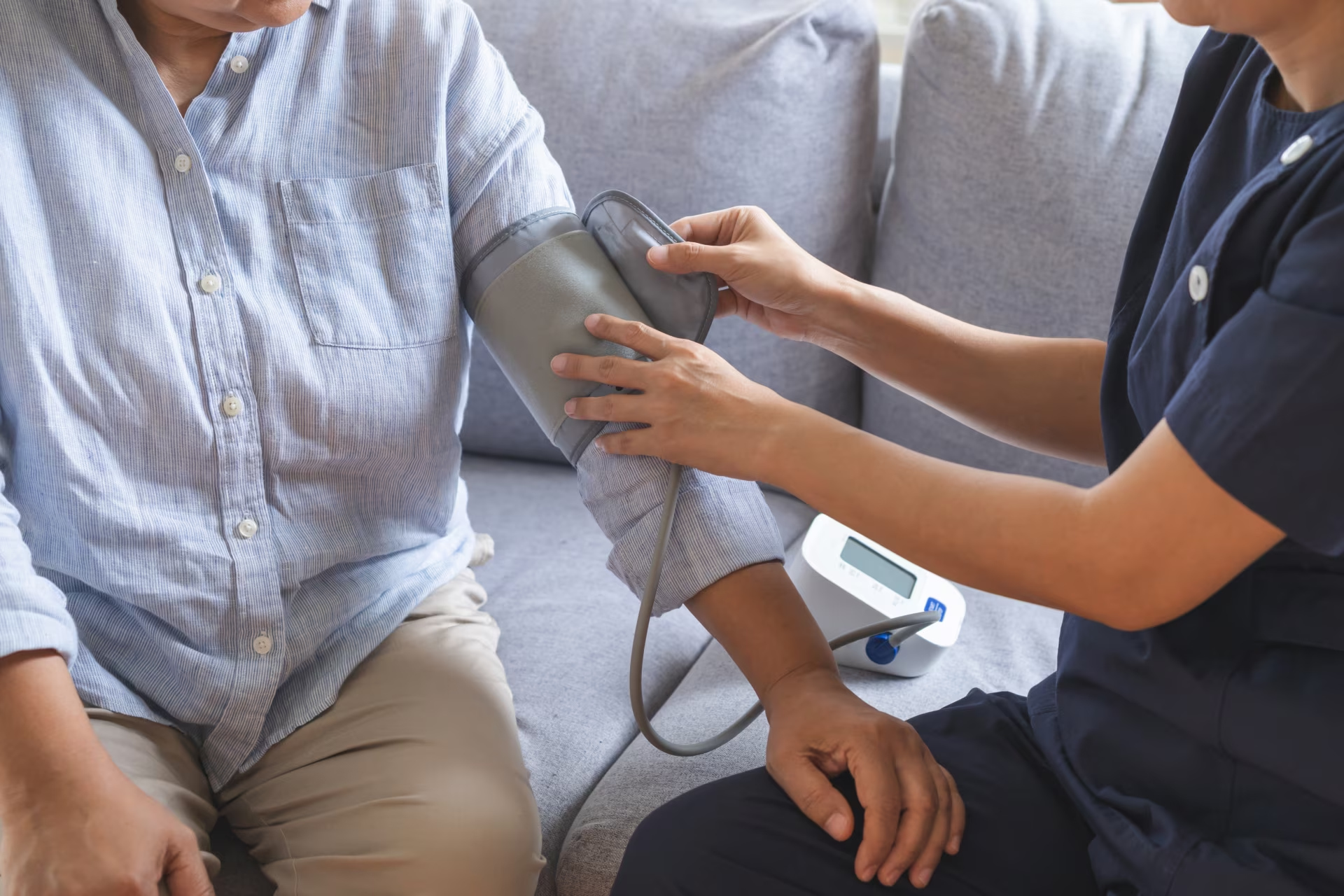
Hypertension affects over 1.4 billion adults worldwide and remains the leading modifiable risk factor for global cardiovascular (CV) morbidity and mortality. It is responsible for an estimated 10.8 million deaths annually and contributes significantly to the global burden of ischaemic heart disease, ...

Hypertension has been associated with increased cardiovascular morbidity and mortality, as well as with overall elevated all-cause mortality.1 Prevalence increases with age, affecting 28.5% of US individuals aged 20–44 years, 58.6% of those aged 45–64 years and 76.5% of those aged 65 years and older.2 In ...

The FDA has approved aficamten for the treatment of adults with symptomatic obstructive hypertrophic cardiomyopathy (oHCM), with the aim of improving functional capacity and symptoms.
Adult congenital heart disease is no longer a niche condition confined to childhood, but a lifelong and increasingly complex cardiovascular diagnosis. The new ACC/AHA guideline reframes care around continuity with specialised services, proactive mental health assessment, and encouragement of safe physical activity, signalling a shift from lesion-focused surveillance to holistic, life-course management that better reflects the realities facing today’s adult patients.

Cardiovascular medicine continues to advance at a remarkable pace, driven by innovation, interdisciplinary collaboration and an ever-deepening understanding of disease mechanisms. As patient populations age and chronic conditions become increasingly complex, the field stands at the intersection of precision therapy, ...

Heart failure (HF) is a complex and progressive clinical syndrome that significantly impacts morbidity, mortality and quality of life (QoL).1 On a global scale, HF has become an escalating public health concern, affecting more than 64 million individuals in 2017, and this ...
Log into your Touch Account
Keep track of your clinical interests and newsletter subscriptions.
Sign up with an Email
Or use a .
Register now for FREE access
Already registered? Login below.
