
Search Results
50 Results Found for “bradycardia”
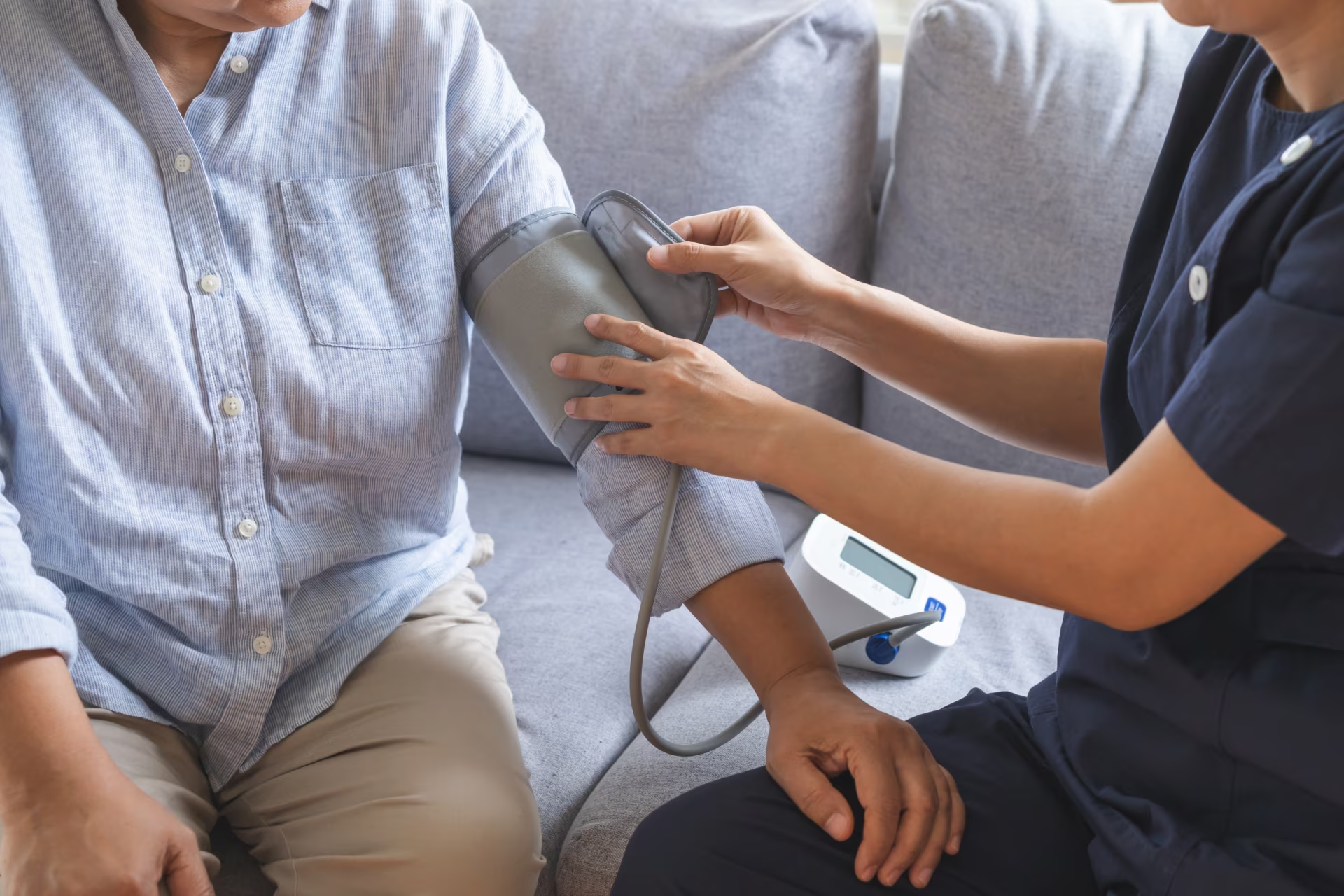
Hypertension affects over 1.4 billion adults worldwide and remains the leading modifiable risk factor for global cardiovascular (CV) morbidity and mortality. It is responsible for an estimated 10.8 million deaths annually and contributes significantly to the global burden of ischaemic heart disease, ...

New-onset postoperative atrial fibrillation (POAF) is associated with increased risk of stroke, morbidity, mortality, respiratory failure and pneumonia, with additional treatment and thus increased postoperative cost.1–3 Clinical efforts to prevent and manage life-threatening complications after cardiac surgeries, such as POAF, ...

The first-in-human implantation of a leadless pacing system occurred already more than 10 years ago.1 The first-generation ventricular leadless pacemaker could provide only asynchronous ventricular pacing (ventricular, ventricular, inhibited [VVI], or ventricular, ventricular, inhibited, rate response [VVIR]), limiting its indications to ...

Highlights The autonomic nervous system plays a critical role in the aetiopathogenesis of atrial fibrillation (AF). Neuromodulation of the autonomic nervous system has been a topic of increased interest in the management of AF. Ablation of ganglionated plexi, ethanol ablation ...
Vasovagal syncope (VVS), the most common cause of fainting, is predominantly caused by an overactive vagal tone, leading to asystole, sinus bradycardia, or atrioventricular block.1 This condition, a form of neurocardiogenic syncope, is characterized by a pronounced vagal reflex that ...

Cardiac complications constitute a common cause of morbidity and mortality in the perioperative period, contributing to over a third of perioperative deaths.1 More than 230 million major surgeries are performed annually worldwide, with older patients representing an increasing proportion of the ...

For decades, right ventricular pacing (RVP) has been the leading pacing technique and has been proven to be effective in treating patients with symptomatic bradycardia. However, dyssynchrony caused by non-physiological ventricular activation results in pacing-induced cardiomyopathy occurs in approximately 15% of ...

Welcome to the latest issue of Heart International. This edition includes a range of articles on topics showcasing the latest advances in our understanding and treatment of cardiovascular disease. We begin with focus on the hereditary cardiac disorder, hypertrophic cardiomyopathy, ...

Bradycardia, renal failure, atrioventricular nodal blockade, shock and hyperkalemia (BRASH) syndrome is a rare, often unrecognized but potentially life-threatening clinical entity that is characterized by the pentad of symptoms after which it is named. BRASH syndrome is seen most commonly ...
Introduction: With the ever-increasing importance of home monitoring for the follow-up of cardiac implanted electronic devices (CIED), emphasised during the COVID pandemic, the workload for CIED follow-up clinics has grown exponentially. The demand on services is exceeding resource, with innovative ...

Vasovagal syncope is common, and while it is usually associated with a benign prognosis, it results in significant physical and psychological morbidity for affected individuals. Despite comprehensive understanding of the underlying pathophysiology, there have been few definitive therapeutic advances until ...

The current outbreak of coronavirus disease 2019 (COVID-19), caused by severe acute respiratory syndrome coronavirus-2 (SARS-CoV-2), has developed into a worldwide pandemic affecting millions of lives in one way or another.1 Over the period of 1 year since the disease was first ...

Several closely regulated ion channels are involved in the various phases of the myocardial action potential (phases 0–4) (Figure 1).1 In the absence of neuroendocrine and other regulatory signals, the pacing rate of the sinoatrial node is 100 beats per minute (bpm). However, ...
Introduction: There are half a million people with cardiac pacemakers in the UK who are denied access to magnetic resonance imaging (MRI) when clinically indicated. Patients are fifty times less likely to be referred and there is a thirty-fold service ...
Case background: An 82-year-old male was referred for outpatient device implantation for symptomatic junctional bradycardia. A dual chamber Boston Scientific generator was implanted with active fixation leads secured in the right atrial appendage and right ventricular septum. The procedure was ...
Introduction: Right ventricular (RV) pacing, which is the standard treatment for patients with bradycardia, results in a broad QRS complex with dyssynchronous left ventricular contraction. Long-term RV pacing is associated with adverse remodelling of the left ventricular, which can contribute ...
Background: Conduction system pacing is a novel pacing technique that aims to maintain physiological activation of the ventricles. It can be achieved by pacing the His-bundle or the left bundle branch area. Left bundle branch area pacing (LBBAP) has many ...

Athletes represent the fittest individuals in our society, yet paradoxically carry an increased risk of sudden cardiac death (SCD) when compared to sedentary individuals with the same cardiac disease.1,2 Two recent studies have provided a realistic prevalence of young SCD ...
Log into your Touch Account
Keep track of your clinical interests and newsletter subscriptions.
Sign up with an Email
Or use a .
Register now for FREE access
Already registered? Login below.
