
Search Results
233 Results Found for “catheter ablation”

Dr Jonathan Piccini discusses rhythm control in patients with atrial fibrillation and heart failure with preserved ejection fraction, the growing role of catheter ablation, and the evidence still needed to define its impact on cardiovascular outcomes.

Longer diagnosis-to-ablation time (DAT) was associated with a higher risk of atrial arrhythmia recurrence following de novo radiofrequency catheter ablation (RFA) for atrial fibrillation (AF), according to a prospective, multicenter cohort study published in JAMA Network Open.1

At EHRA 2026, Professor Claudio Tondo presents his highlights on advances in ablation and device technologies, led by pulsed field ablation, showcasing a rapidly evolving landscape in the treatment of complex arrhythmias.

Ventricular fibrillation (VF) is characterized by rapid (>300 beats a per minute), irregular electrical activation with variable electrocardiographic waveforms that prevents coordinated myocardial contraction, resulting in immediate loss of cardiac output.1 It most commonly occurs in the context of coronary ...
Professor Amir Jadidi presented results from SOLVE-AF at EHRA 2026, showing that sinus rhythm–guided substrate ablation significantly improves outcomes in persistent AF patients with atrial fibrosis and supporting a more personalized ablation strategy.

At EHRA 2026, late-breaking trials across ablation, devices, and drug therapy signal major shifts in arrhythmia management, highlighting both rapid innovation and key unanswered questions. We spoke to Prof Jose Luis Merino for his highlights.

Presented at EHRA 2026 by Dr David Birnie, the OCEAN trial reveals low, brief atrial fibrillation recurrence rates after successful ablation - findings that may support selective anticoagulation discontinuation while reinforcing the need for ongoing follow-up.

From EHRA 2026, Dr Salik Ur Rehman discusses advances in pulsed field ablation, mapping technologies, and conduction system pacing highlight a rapidly evolving landscape in electrophysiology care.

At EHRA 2026, new research from Dr Kerollos Abdelsayed highlighted perioperative inflammation as a modifiable driver of conduction disturbances after TAVI, opening the door to novel pharmacologic and device-based solutions.

At EHRA 2026, Pierre Jais presented results from the BEAT-PERS AF trial suggesting pulsed field ablation may offer a safer, effective alternative to radiofrequency ablation in persistent AF, prompting renewed focus on optimizing ablation strategies for this high-risk group.
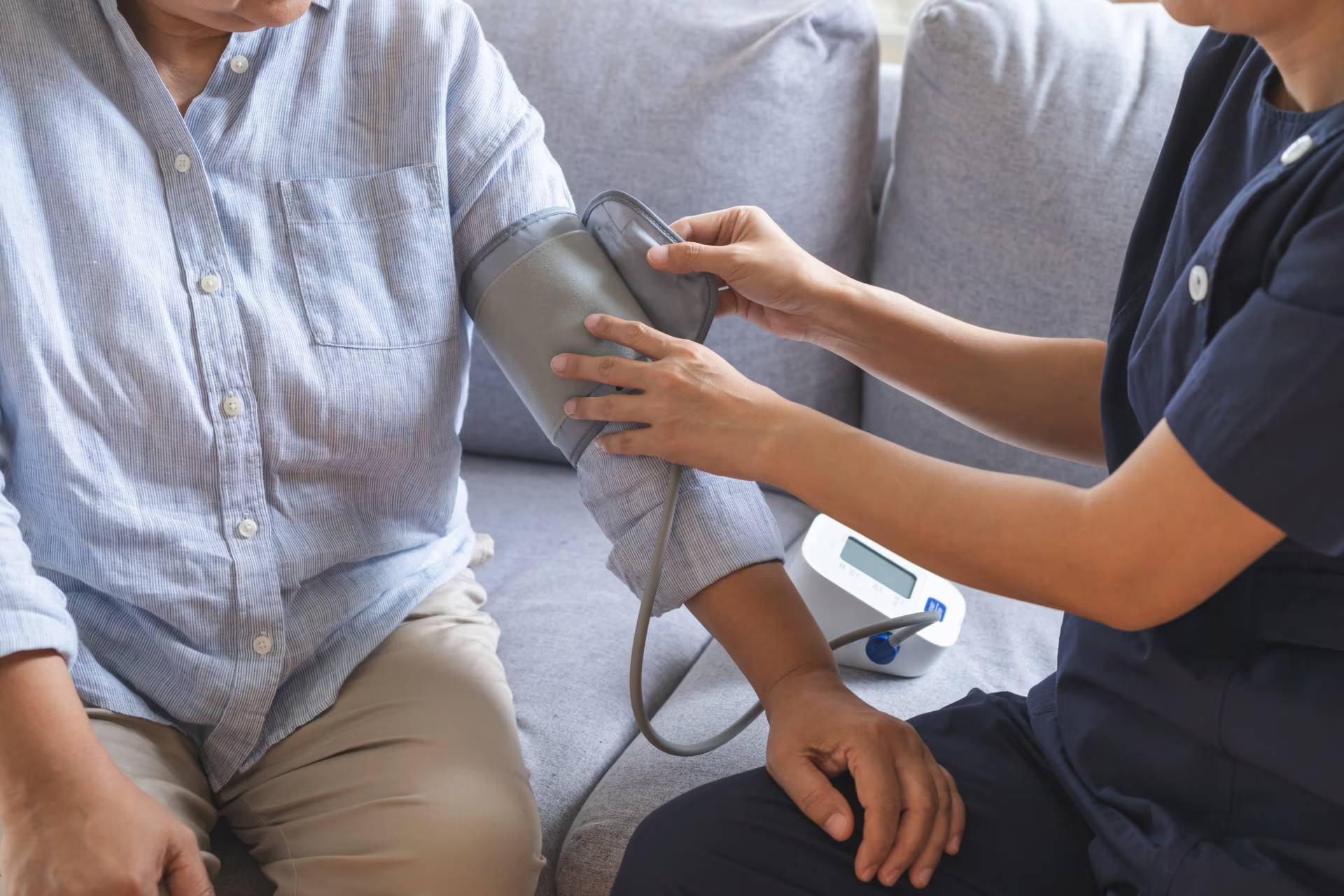
Hypertension affects over 1.4 billion adults worldwide and remains the leading modifiable risk factor for global cardiovascular (CV) morbidity and mortality. It is responsible for an estimated 10.8 million deaths annually and contributes significantly to the global burden of ischaemic heart disease, ...

Atrial fibrillation (AF) remains a major clinical challenge in Europe, with ongoing needs for greater precision, safety, and long-term durability in ablation. The recent CE Mark approval of the TactiFlex™ Duo Ablation Catheter, combining high-resolution mapping with emerging pulsed-field ablation (PFA) technology, offers a new option to help address these gaps. Dr John Silberbauer explores how the device may enhance AF treatment, reviews the supporting clinical evidence, and considers what this milestone means for physicians and patients across Europe.

Dr Andreas Boehmer joins the Heart International Editorial Board with expertise in electrophysiology
We are pleased to announce the appointment of Dr Andreas Boehmer to the Heart International Editorial Board. Dr Boehmer is an Electrophysiology Fellow at St. Josefs-Hospital Wiesbaden in Germany, where he works within the Department of Cardiology and conducts research focused on interventional therapies for cardiac arrhythmias and the treatment of patients with tachycardiomyopathy.

Cardiovascular medicine in 2025 has been marked by rapid innovation and meaningful shifts in clinical practice. In this year-in-review, touchCARDIO brings together expert reflections highlighting paradigm-changing trial data, the emergence of pulsed field ablation and conduction system pacing, advances in imaging and prevention, and the accelerating integration of artificial intelligence. Collectively, these perspectives underscore a field evolving toward more precise, technology-enabled and preventive cardiovascular care, while emphasising the need to translate scientific progress into improved outcomes for patients worldwide.

New perspectives from ESC 2025 point to cryoablation as a streamlined and safer option for managing atrial fibrillation in heart failure, offering the potential for earlier treatment and broader access in busy healthcare systems.

July 2025 marked continued progress in cardiovascular innovation, with notable regulatory decisions and clinical trial milestones. Approvals, designations, and data readouts during the month highlight the field’s ongoing shift toward targeted therapies, gene-based interventions, and outcome-driven evidence. These developments reflect growing momentum in addressing complex and underserved cardiovascular conditions.
New-onset postoperative atrial fibrillation (POAF) is associated with increased risk of stroke, morbidity, mortality, respiratory failure and pneumonia, with additional treatment and thus increased postoperative cost.1–3 Clinical efforts to prevent and manage life-threatening complications after cardiac surgeries, such as POAF, ...

Conduction system pacing (CSP) is being increasingly adopted as a more physiological alternative to right ventricular and biventricular pacing and is an integral part of the European Heart Rhythm Association (EHRA) core curriculum for the device specialist.1–6 Left bundle branch ...
Log into your Touch Account
Keep track of your clinical interests and newsletter subscriptions.
Sign up with an Email
Or use a .
Register now for FREE access
Already registered? Login below.
