
Search Results
48 Results Found for “diabetes complications”
Dr Alfredo Caturano is an Assistant Professor of Internal Medicine and touchCARDIO Future Leader 2026. In this interview, he discusses his journey into cardiovascular and cardiometabolic medicine, the mentors who shaped his career, the challenges and rewards of clinical research, and the evolving links between diabetes, obesity and cardiovascular disease, as well as his vision for more personalised approaches to cardiometabolic care.

Cardiovascular diseases (CVDs) are the leading cause of morbidity and mortality worldwide.1 High systolic blood pressure (SBP) remains one of the top risk factors for CVD burden globally.2 Despite being a modifiable risk factor, hypertension (HTN) remains largely undiagnosed and ...

The first dedicated ESC Guidelines on the management of cardiovascular disease and chronic kidney disease recommend kidney function and urine albumin testing in all patients with cardiovascular disease, with an emphasis on identifying CKD early and initiating effective treatment without delay.

Native valve infective endocarditis (IE) is rare, with an incidence of 3–7 cases per 100,000 person-years.1,2 Cardiac structural complications from local infection extension include valvular destruction, peri-annular abscess and fistula formation. Left ventricular pseudoaneurysm (LVP) from IE is exceedingly rare, occurring in &...

Hypertension is the leading modifiable risk factor for global cardiovascular disease, responsible for an estimated 10.8 million deaths and more than 200 million disability-adjusted life years annually.1 Despite the availability of effective pharmacological and lifestyle interventions, prevalence continues to rise, particularly in ...
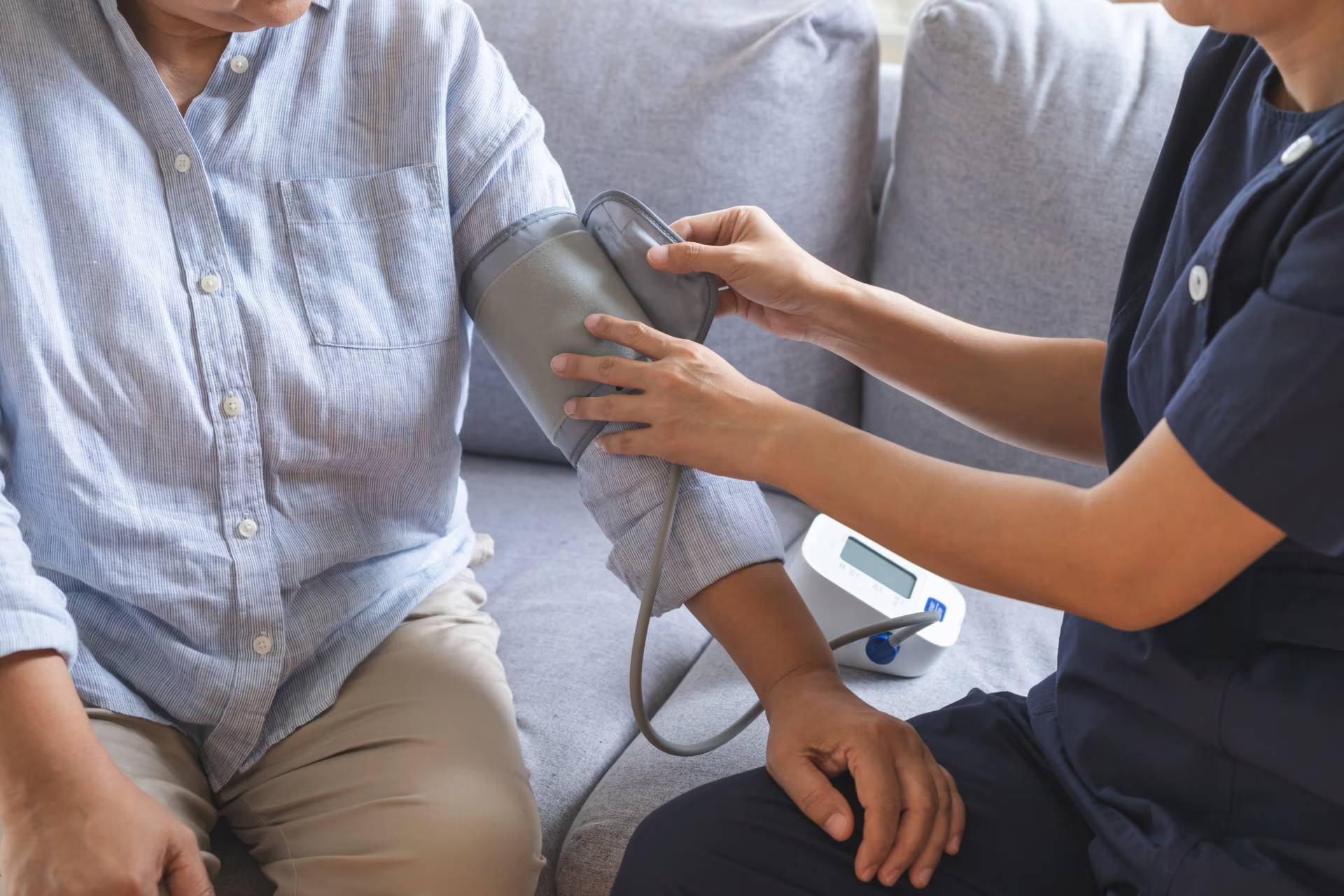
Hypertension affects over 1.4 billion adults worldwide and remains the leading modifiable risk factor for global cardiovascular (CV) morbidity and mortality. It is responsible for an estimated 10.8 million deaths annually and contributes significantly to the global burden of ischaemic heart disease, ...

Hypertension has been associated with increased cardiovascular morbidity and mortality, as well as with overall elevated all-cause mortality.1 Prevalence increases with age, affecting 28.5% of US individuals aged 20–44 years, 58.6% of those aged 45–64 years and 76.5% of those aged 65 years and older.2 In ...

As 2025 draws to a close, we’re celebrating another remarkable year of growth, collaboration and innovation at touchCARDIO. From thought-provoking expert interviews and peer-reviewed research to dynamic conference coverage and an expanding portfolio of medical education, this year has been defined by meaningful conversations and impactful learning. We’ve had the privilege of engaging with leading clinicians, researchers and partner societies across the globe - bringing together diverse voices to support the cardiology community with timely, accessible and authoritative content. As we reflect on the past 12 months, we’re proud to highlight the moments, milestones and stories that shaped our year.

ObesityWeek® 2025 highlighted obesity as a chronic, multi-system disease that links cardiovascular, renal, and metabolic health. New data from clinical trials showcased therapies improving weight, blood pressure, and inflammation, signalling a shift toward integrated care where obesity management becomes central to cardiovascular risk reduction.

Despite advancements in mortality rates from cardiovascular disease (CVD) over the last 50 years, it remains the leading cause of death for women and the third leading cause for women aged 18 to 44.1 A 2011 report from the American Heart Association (AHA) starkly ...

The European Society of Cardiology has released a new consensus statement recognising vaccination as a key element of cardiovascular prevention. By reducing infection-triggered complications and events, vaccines provide added protection for vulnerable patients, including those with coronary disease, heart failure, congenital heart disease, transplant recipients, and pregnant women.

New-onset postoperative atrial fibrillation (POAF) is associated with increased risk of stroke, morbidity, mortality, respiratory failure and pneumonia, with additional treatment and thus increased postoperative cost.1–3 Clinical efforts to prevent and manage life-threatening complications after cardiac surgeries, such as POAF, ...

The foramen ovale, an obligatory channel, allows placental oxygenated blood to directly reach the fetal arterial circulation and remains patent in 25% of the adult population.1 Patency provides a potential gateway for venous emboli to reach the arterial circulation, potentially resulting ...

Cardiovascular disease (CVD) is a significant cause of morbidity and mortality in patients with type 2 diabetes mellitus (T2DM). An estimated 60–80% of patients with T2DM die of cardiovascular events.1,2 A bidirectional relationship has been noted between heart failure (HF) ...

Cardiovascular diseases are the most common cause of mortality and morbidity in adults worldwide.1 Coronary angiography (CAG) is the gold standard method for evaluating atherosclerotic coronary artery disease (CAD).2 It is conventionally performed via the trans-femoral (TF) route. Recently, however, ...

Welcome to the summer issue of Heart International. We are excited to present a collection of insightful articles that delve into various aspects of cardiovascular health and related interventions. This issue encompasses a wide array of topics, from novel treatment ...

Cardiac complications constitute a common cause of morbidity and mortality in the perioperative period, contributing to over a third of perioperative deaths.1 More than 230 million major surgeries are performed annually worldwide, with older patients representing an increasing proportion of the ...

Diabetes mellitus (DM) is strongly associated with severe macro- and micro-vascular complications; it is also proven to be a strong independent risk factor for developing heart failure (HF).1 In fact, the prevalence of DM is reported to be as high ...
Log into your Touch Account
Keep track of your clinical interests and newsletter subscriptions.
Sign up with an Email
Or use a .
Register now for FREE access
Already registered? Login below.
