
Search Results
51 Results Found for “digital health”

Cardiovascular diseases (CVDs) are the leading cause of morbidity and mortality worldwide.1 High systolic blood pressure (SBP) remains one of the top risk factors for CVD burden globally.2 Despite being a modifiable risk factor, hypertension (HTN) remains largely undiagnosed and ...

The European Society of Cardiology (ESC) has published its first dedicated clinical practice guidelines on cardiac rehabilitation, calling for rehabilitation to be considered a core component of care across a broader range of cardiovascular conditions. Published in the European Heart ...

Late-breaking clinical research will once again be a major focus at ESC Congress 2026, taking place in Munich, Germany, from August 28–31. This year, a record 59 trials have been selected for presentation across 12 Hot Line sessions, spanning new pharmacological approaches, diagnostic strategies, devices, imaging and digital technologies.

New clinical guidelines, late-breaking trials, artificial intelligence, and an increasing focus on cardiometabolic and precision medicine are set to shape discussions at ESC Congress 2026 in Munich.

A new World Heart Federation (WHF) Roadmap proposes a broader, more adaptable model of cardiac rehabilitation designed to support people with cardiovascular disease over the long term.

Sudden cardiac arrest (SCA) in young adults (typically defined as individuals younger than 40 years) has emerged as an important yet under-recognized public health concern. Recent estimates suggest an incidence of approximately 1–4 cases per 100,000 person-years, underscoring the clinical and epidemiological relevance ...

At EHRA 2026, new research presented by Professor Elaine Chew explores how music-based digital tools can enhance arrhythmia detection and enable personalized, AI-driven approaches to cardiovascular diagnosis and therapy.

Harnessing AI in Preventive Cardiology: ASPC Introduce new Working Group on AI and Health Technology
The ASPC launches a new working group to guide the safe, evidence-based integration of AI and digital health technologies into preventive cardiology practice - we spoke to co-Chair Dr Ashish Sarraju about the state of artificial intelligence and health technology and the group's concerns plans for the future.

We often focus on clinical excellence, but spend less time developing broader skills that could help us better lead with purpose and build more fulfilling, impactful careers. In this episode, part of a mini-series in partnership with LEADderm, Dr Jennifer Soung and Denise Mann explore how clinicians can engage with the media to educate, empower and extend their impact beyond the clinic.
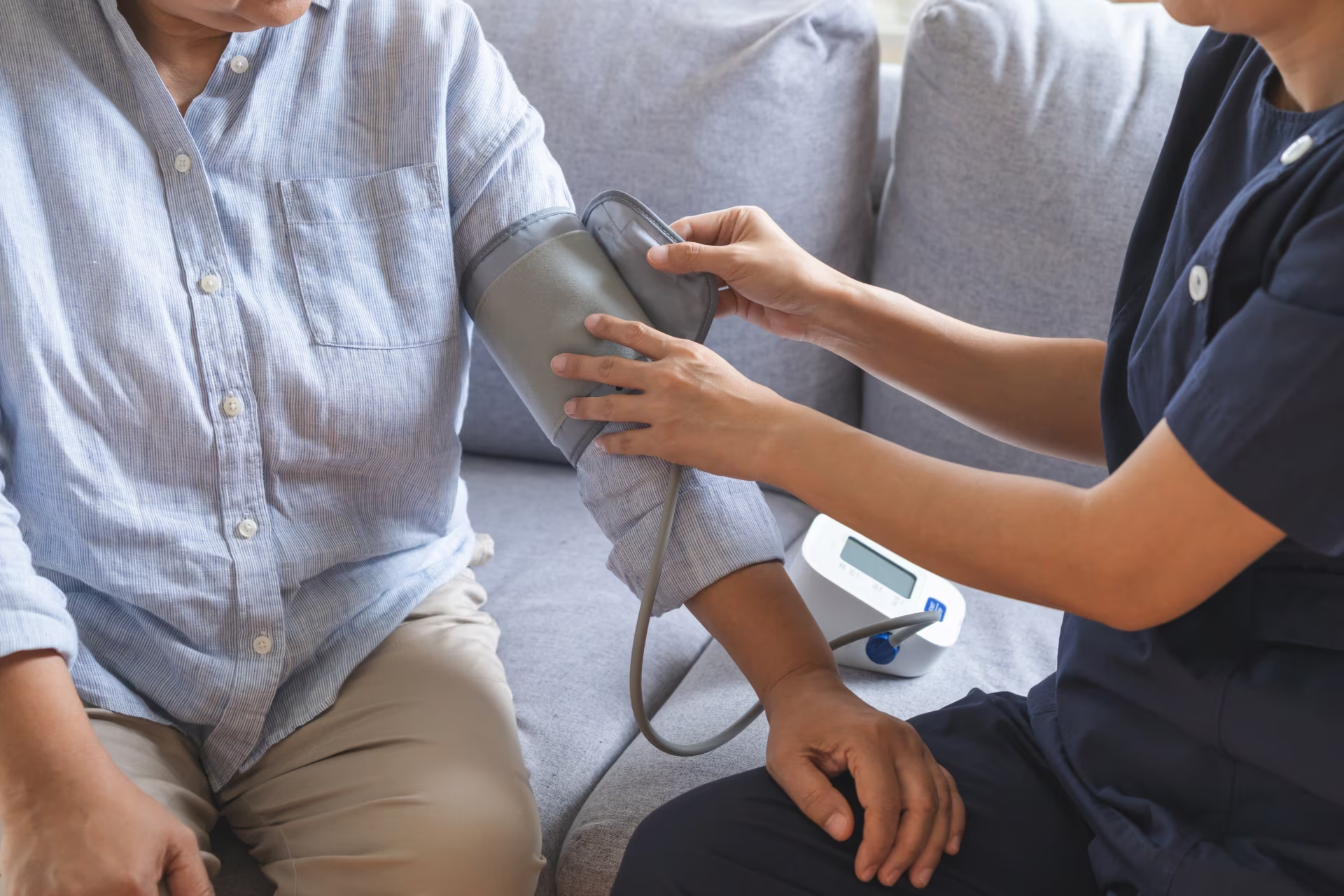
Hypertension affects over 1.4 billion adults worldwide and remains the leading modifiable risk factor for global cardiovascular (CV) morbidity and mortality. It is responsible for an estimated 10.8 million deaths annually and contributes significantly to the global burden of ischaemic heart disease, ...

Europe loses 1.7 million lives each year to cardiovascular disease, a burden that costs billions and affects millions more. The Safe Hearts Plan sets out an ambitious shift toward prevention, earlier detection and recognition of lifelong genetic risk. As expectations rise, debate is already growing over whether the strategy can translate bold goals into measurable improvements in care and outcomes across the EU.

The FDA has approved aficamten for the treatment of adults with symptomatic obstructive hypertrophic cardiomyopathy (oHCM), with the aim of improving functional capacity and symptoms.

Cardiovascular medicine continues to advance at a remarkable pace, driven by innovation, interdisciplinary collaboration and an ever-deepening understanding of disease mechanisms. As patient populations age and chronic conditions become increasingly complex, the field stands at the intersection of precision therapy, ...

Heart failure (HF) is a complex and progressive clinical syndrome that significantly impacts morbidity, mortality and quality of life (QoL).1 On a global scale, HF has become an escalating public health concern, affecting more than 64 million individuals in 2017, and this ...

Heart failure (HF) is a global health burden, with a 2019 prevalence of 711.90 per 100,000 population, totalling 56.19 million cases and 5.05 million years lived with disability, despite only modest declines since 1990.1 Recent years have shown an uptick in prevalence, driven by ageing populations ...

Late-breaking data from ESC 2025 are set to reshape daily cardiology practice, with Dr José Luis Merino highlighting trials that challenge long-standing use of beta blockers, underscore the value of potassium optimization in ICD patients, and caution against routine aspirin in anticoagulated individuals, while also pointing to artificial intelligence as an emerging tool in clinical decision-making.

Physician burnout is at a critical point. In this episode, Nicky speaks with Dr Alfred Atanda about why so many physicians are burning out and what can be done to change the trend. From personal experience to system-wide solutions, Dr Atanda shares valuable insights on improving physician well-being and building a more effective healthcare culture.
Log into your Touch Account
Keep track of your clinical interests and newsletter subscriptions.
Sign up with an Email
Or use a .
Register now for FREE access
Already registered? Login below.
