
Search Results
59 Results Found for “lifestyle”
Dr Maxime Caru is a pediatric exercise physiologist, researcher and touchCARDIO Future Leader 2026. In this interview, he discusses his journey into cardio-oncology, the mentors who shaped his career, the role of physical activity in reducing treatment-related cardiotoxicity in pediatric cancer survivors and his vision for integrating exercise and supportive care into standard pediatric oncology practice.

Cardiovascular diseases (CVDs) are the leading cause of morbidity and mortality worldwide.1 High systolic blood pressure (SBP) remains one of the top risk factors for CVD burden globally.2 Despite being a modifiable risk factor, hypertension (HTN) remains largely undiagnosed and ...

The European Society of Cardiology (ESC) has published its first dedicated clinical practice guidelines on cardiac rehabilitation, calling for rehabilitation to be considered a core component of care across a broader range of cardiovascular conditions. Published in the European Heart ...

Prof. Maria Bäck discusses the first dedicated ESC Guidelines on cardiac rehabilitation, why personalization and multidisciplinary care are central to their recommendations, and the importance of increasing referral to rehabilitation programs.

Dr Bjarne Nes discusses findings from the NEXAF trial, which showed that a one-year exercise program reduced atrial fibrillation burden in patients with non-permanent AF.

Dr Arasi Maran explores practical strategies for integrating lifestyle interventions into the management of complex coronary artery disease, including how to prioritise modifiable risk factors, communicate recommendations effectively and support sustained behaviour change. She also discusses the role of imaging, reliable health information and patient-centred approaches to improving adherence.

The American Heart Association (AHA), American College of Cardiology (ACC), American Diabetes Association (ADA) and American Society of Nephrology (ASN) have issued a new joint clinical practice guideline for the prevention, detection, evaluation and management of cardiovascular-kidney-metabolic (CKM) syndrome.

At EHRA 2026, Professor Claudio Tondo presents his highlights on advances in ablation and device technologies, led by pulsed field ablation, showcasing a rapidly evolving landscape in the treatment of complex arrhythmias.

Hypertension is the leading modifiable risk factor for global cardiovascular disease, responsible for an estimated 10.8 million deaths and more than 200 million disability-adjusted life years annually.1 Despite the availability of effective pharmacological and lifestyle interventions, prevalence continues to rise, particularly in ...

Sudden cardiac arrest (SCA) in young adults (typically defined as individuals younger than 40 years) has emerged as an important yet under-recognized public health concern. Recent estimates suggest an incidence of approximately 1–4 cases per 100,000 person-years, underscoring the clinical and epidemiological relevance ...

From ACC26, Dr Matt Budoff shared his highlights, including the new cholesterol guidelines and imaging advances position coronary artery calcium scoring at the heart of personalized cardiovascular risk assessment and prevention.

The ASPC launches a new working group to advance women in preventive cardiology, tackling gaps in mentorship, leadership, and representation while improving cardiovascular care for women - we spoke to co-Chair Dr Kardie Tobb about the groups' inception and their plans for reducing inequality for women cardiologists.

The ASPC’s new Women’s Cardiovascular Health Working Group highlights sex-specific risk factors and prevention strategies, offering critical insights for improving outcomes in female patients - we spoke to co-Chair Dr Martha Gulati about the inception of the group and their goals for preventing cardiovascular disease in women.
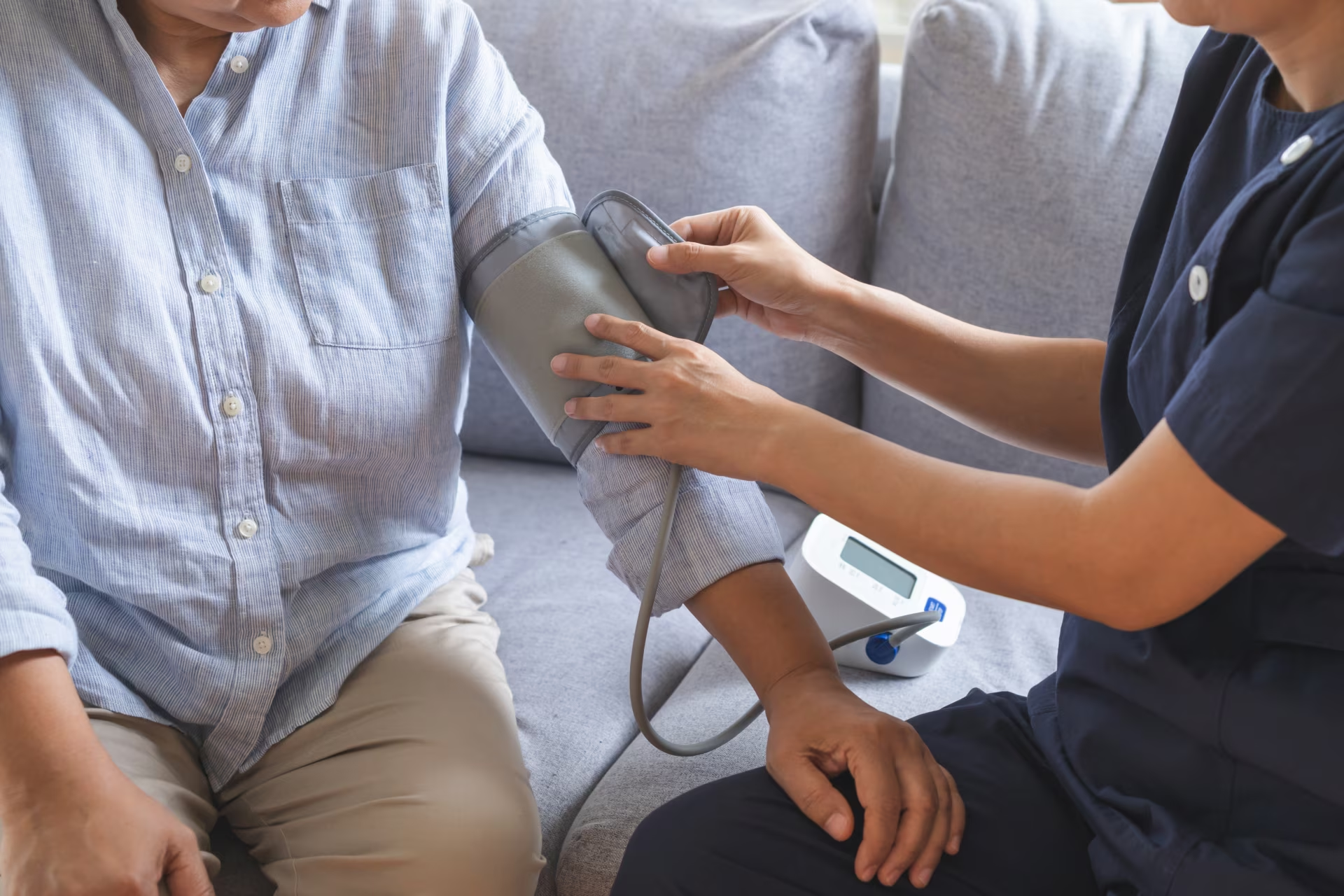
Hypertension affects over 1.4 billion adults worldwide and remains the leading modifiable risk factor for global cardiovascular (CV) morbidity and mortality. It is responsible for an estimated 10.8 million deaths annually and contributes significantly to the global burden of ischaemic heart disease, ...
Europe loses 1.7 million lives each year to cardiovascular disease, a burden that costs billions and affects millions more. The Safe Hearts Plan sets out an ambitious shift toward prevention, earlier detection and recognition of lifelong genetic risk. As expectations rise, debate is already growing over whether the strategy can translate bold goals into measurable improvements in care and outcomes across the EU.

Heart failure (HF) is a global health burden, with a 2019 prevalence of 711.90 per 100,000 population, totalling 56.19 million cases and 5.05 million years lived with disability, despite only modest declines since 1990.1 Recent years have shown an uptick in prevalence, driven by ageing populations ...

Epicardial adipose tissue (EAT) is a fat collection directly adjacent to the myocardium and coronary vasculature, lacking any separation and sharing the same circulation.1,2 This anatomy enables direct signalling between EAT and the surrounding tissue, positioning EAT as a central ...

Cardiovascular disease (CVD) is one of the major causes of morbidity and mortality throughout the world.1,2 While traditional risk factors are managed intensively, many individuals continue to have considerable residual risk, and emerging factors such as inflammatory mediators are being ...
Log into your Touch Account
Keep track of your clinical interests and newsletter subscriptions.
Sign up with an Email
Or use a .
Register now for FREE access
Already registered? Login below.
