
Search Results
60 Results Found for “lipid”

At ESC Congress 2026, Dr Rami Abu Fanne (Hillel Yaffe Medical Center and Hadassah Medical Center, The Hebrew University of Jerusalem) presented an analysis exploring whether baseline vitamin D levels were associated with metabolic response to semaglutide in people with type 2 diabetes. The study included 5,300 adults and found that higher baseline vitamin D levels were associated with greater improvements in glycemic control and BMI after 12 months of treatment, although no association was observed with lipid outcomes. Dr Abu Fanne spoke to touchCARDIO about the findings and the questions they raise for future research.

AMUNDSEN showed that immediate initiation of evolocumab after myocardial infarction substantially increased LDL-C goal achievement, but did not significantly reduce death or cardiovascular hospitalization at 1 year. Starting evolocumab immediately after myocardial infarction (MI) more than doubled the proportion of patients ...

The FDA has approved enlicitide (LIPFENDRA®; Merck, Rahway, NJ, USA) tablets, 20 mg, as an adjunct to diet and exercise to reduce low-density lipoprotein cholesterol (LDL-C) in adults with hypercholesterolemia, including heterozygous familial hypercholesterolemia (HeFH), according to a press release from Merck.1 Enlicitide is a novel macrocyclic peptide and the first FDA-approved oral proprotein convertase subtilisin/kexin type 9 (PCSK9) inhibitor for lowering LDL-C.

The American Heart Association (AHA), American College of Cardiology (ACC), American Diabetes Association (ADA) and American Society of Nephrology (ASN) have issued a new joint clinical practice guideline for the prevention, detection, evaluation and management of cardiovascular-kidney-metabolic (CKM) syndrome.

Sudden cardiac arrest (SCA) in young adults (typically defined as individuals younger than 40 years) has emerged as an important yet under-recognized public health concern. Recent estimates suggest an incidence of approximately 1–4 cases per 100,000 person-years, underscoring the clinical and epidemiological relevance ...

Data presented on the first day of EuroPCR 2026, Paris, highlighted continued advances in lipid lowering, coronary scaffold technology and vessel restoration strategies. From substantial reductions in cardiovascular events with aggressive LDL-cholesterol lowering to encouraging long-term outcomes with next-generation bioresorbable and adaptive coronary devices, these studies offered important insights into the future direction of PCI and secondary prevention.

From breakthrough prevention strategies to pivotal late-breaking trials, ACC.26 showcased the rapidly evolving future of cardiovascular care.

Harnessing AI in Preventive Cardiology: ASPC Introduce new Working Group on AI and Health Technology
The ASPC launches a new working group to guide the safe, evidence-based integration of AI and digital health technologies into preventive cardiology practice - we spoke to co-Chair Dr Ashish Sarraju about the state of artificial intelligence and health technology and the group's concerns plans for the future.

The ASPC’s new Women’s Cardiovascular Health Working Group highlights sex-specific risk factors and prevention strategies, offering critical insights for improving outcomes in female patients - we spoke to co-Chair Dr Martha Gulati about the inception of the group and their goals for preventing cardiovascular disease in women.
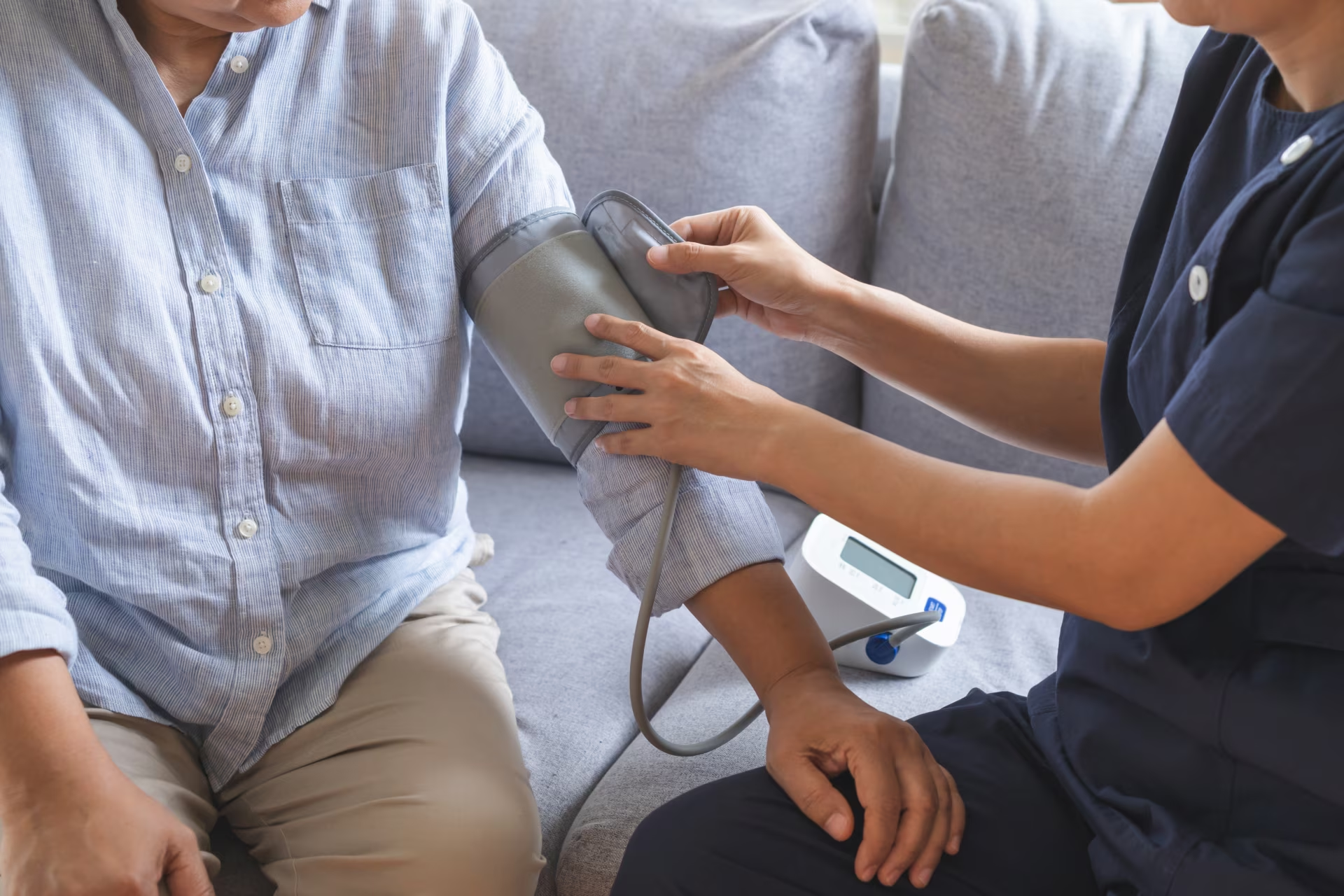
Hypertension affects over 1.4 billion adults worldwide and remains the leading modifiable risk factor for global cardiovascular (CV) morbidity and mortality. It is responsible for an estimated 10.8 million deaths annually and contributes significantly to the global burden of ischaemic heart disease, ...
Europe loses 1.7 million lives each year to cardiovascular disease, a burden that costs billions and affects millions more. The Safe Hearts Plan sets out an ambitious shift toward prevention, earlier detection and recognition of lifelong genetic risk. As expectations rise, debate is already growing over whether the strategy can translate bold goals into measurable improvements in care and outcomes across the EU.
We are delighted to welcome Dr Sushant Saluja, NIHR Clinical Lecturer in Cardiology at the University of Manchester, to our Editorial Board. Dr Saluja brings a distinguished record in interventional cardiology, population genetics and precision medicine, with research published in leading journals including Nature Genetics, Nature Communications, European Heart Journal and the Journal of Hypertension.

The American Diabetes Association has released its 2026 Standards of Care, reflecting major advances in diabetes and cardiometabolic management. In this Q&A, Dr Robert Gabbay (Joslin Diabetes Center, Boston, MA, USA) discusses expanded roles for GLP-1–based therapies, updated cardiovascular risk targets, and a growing emphasis on integrated, whole-person care with important implications for cardiovascular clinical practice.

Cardiovascular medicine in 2025 has been marked by rapid innovation and meaningful shifts in clinical practice. In this year-in-review, touchCARDIO brings together expert reflections highlighting paradigm-changing trial data, the emergence of pulsed field ablation and conduction system pacing, advances in imaging and prevention, and the accelerating integration of artificial intelligence. Collectively, these perspectives underscore a field evolving toward more precise, technology-enabled and preventive cardiovascular care, while emphasising the need to translate scientific progress into improved outcomes for patients worldwide.

A first-of-its-kind CAR Treg therapy has shown plaque-reducing effects in a preclinical model of atherosclerosis, signalling a potential shift toward targeted immunomodulation in cardiovascular disease. Could OxLDL-directed Tregs become the next major advance in cardio-immunotherapy?

Cardiovascular medicine continues to advance at a remarkable pace, driven by innovation, interdisciplinary collaboration and an ever-deepening understanding of disease mechanisms. As patient populations age and chronic conditions become increasingly complex, the field stands at the intersection of precision therapy, ...

Epicardial adipose tissue (EAT) is a fat collection directly adjacent to the myocardium and coronary vasculature, lacking any separation and sharing the same circulation.1,2 This anatomy enables direct signalling between EAT and the surrounding tissue, positioning EAT as a central ...

Cardiovascular disease (CVD) is one of the major causes of morbidity and mortality throughout the world.1,2 While traditional risk factors are managed intensively, many individuals continue to have considerable residual risk, and emerging factors such as inflammatory mediators are being ...
Log into your Touch Account
Keep track of your clinical interests and newsletter subscriptions.
Sign up with an Email
Or use a .
Register now for FREE access
Already registered? Login below.
