
Search Results
84 Results Found for “major adverse cardiovascular events”

Direct oral anticoagulant (DOAC) therapy reduced adverse clinical events compared with no anticoagulation in patients with atrial fibrillation (AF) at intermediate risk of stroke, according to results from the SINGLE-AF trial presented during a Hot Line session at ESC Congress 2026.1

ESC Congress 2026 begins in Munich on August 28, bringing four days of new cardiovascular research, clinical guidance and discussion. Early data released ahead of the meeting provide a first look at some of the science to come.

Sudden cardiac arrest (SCA) in young adults (typically defined as individuals younger than 40 years) has emerged as an important yet under-recognized public health concern. Recent estimates suggest an incidence of approximately 1–4 cases per 100,000 person-years, underscoring the clinical and epidemiological relevance ...

New late-breaking data presented on Day 3 of EuroPCR 2026 highlighted evolving approaches to antiplatelet therapy, transcatheter treatment of pure aortic regurgitation and procedural optimization in bicuspid TAVR

Day 2 hotline data at EuroPCR 2026 highlighted improved outcomes with FFR-guided PCI in TAVI, comparable 10-year survival with PCI and CABG in left main disease and consistent LAAC benefits across age groups.

Shingles vaccination associated with reduced cardiovascular risk in data to be presented at ACC 2026
New data to be presented at ACC 2026 suggest that shingles vaccination is associated with a reduced risk of major cardiovascular events, including myocardial infarction and stroke. In a large observational analysis, vaccinated individuals showed lower event rates within 12 months of follow-up. While the findings are subject to study limitations, they add to growing evidence linking infection prevention with cardiovascular risk reduction.
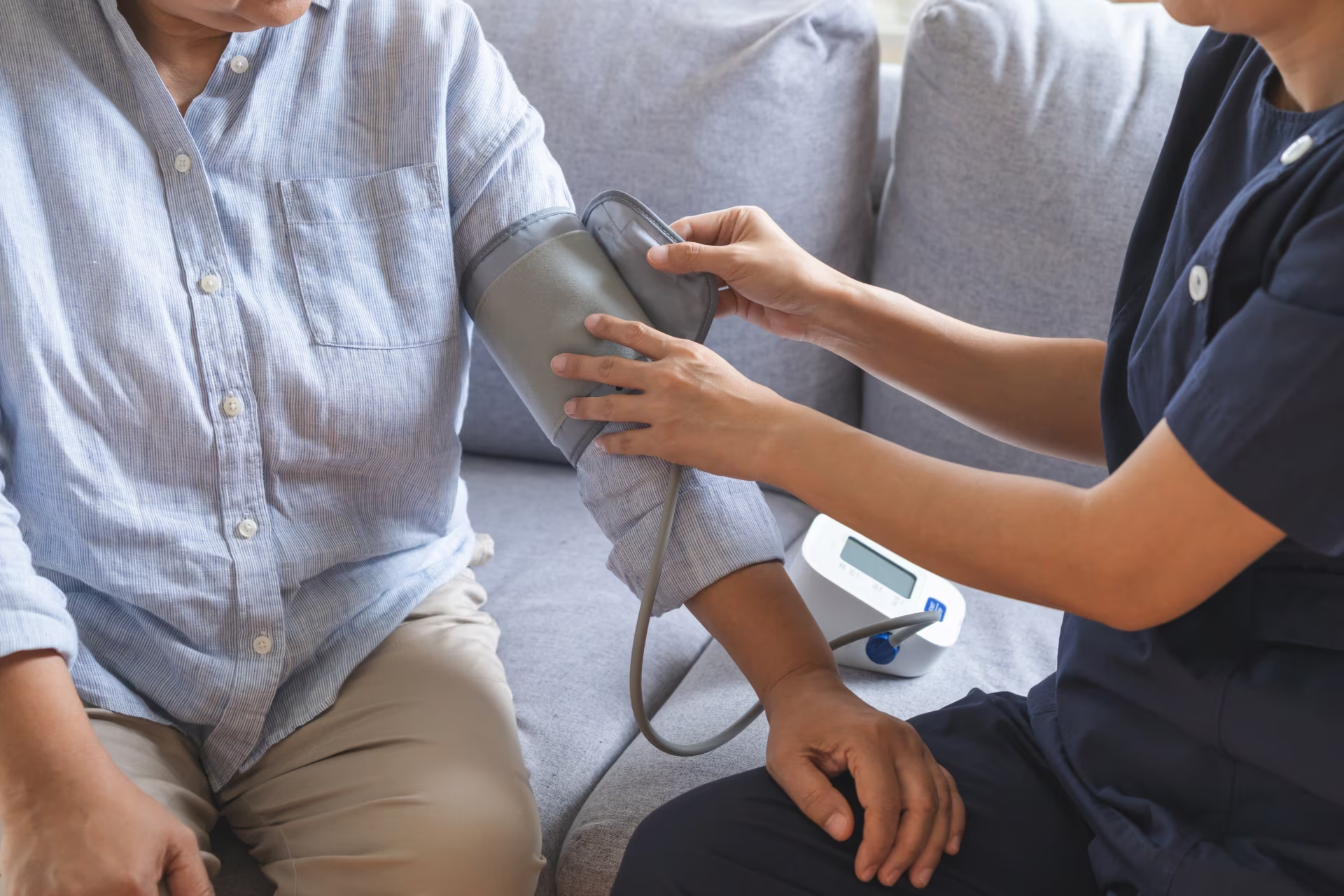
Hypertension affects over 1.4 billion adults worldwide and remains the leading modifiable risk factor for global cardiovascular (CV) morbidity and mortality. It is responsible for an estimated 10.8 million deaths annually and contributes significantly to the global burden of ischaemic heart disease, ...

The FDA has approved aficamten for the treatment of adults with symptomatic obstructive hypertrophic cardiomyopathy (oHCM), with the aim of improving functional capacity and symptoms.

Cardiovascular medicine in 2025 has been marked by rapid innovation and meaningful shifts in clinical practice. In this year-in-review, touchCARDIO brings together expert reflections highlighting paradigm-changing trial data, the emergence of pulsed field ablation and conduction system pacing, advances in imaging and prevention, and the accelerating integration of artificial intelligence. Collectively, these perspectives underscore a field evolving toward more precise, technology-enabled and preventive cardiovascular care, while emphasising the need to translate scientific progress into improved outcomes for patients worldwide.

Heart failure (HF) is a complex and progressive clinical syndrome that significantly impacts morbidity, mortality and quality of life (QoL).1 On a global scale, HF has become an escalating public health concern, affecting more than 64 million individuals in 2017, and this ...

Epicardial adipose tissue (EAT) is a fat collection directly adjacent to the myocardium and coronary vasculature, lacking any separation and sharing the same circulation.1,2 This anatomy enables direct signalling between EAT and the surrounding tissue, positioning EAT as a central ...

Cardiovascular disease (CVD) is one of the major causes of morbidity and mortality throughout the world.1,2 While traditional risk factors are managed intensively, many individuals continue to have considerable residual risk, and emerging factors such as inflammatory mediators are being ...

The 2025 American Heart Association (AHA) Scientific Sessions (7–10 November; New Orleans, LA, USA) offered a comprehensive overview of the evolving landscape of cardiovascular medicine. This year’s research showcased pivotal trials spanning indications, including hypercholesterolemia, hypertrophic cardiomyopathy, amyloidosis, severe hypertriglyceridaemia, hypertension, ...

Despite advancements in mortality rates from cardiovascular disease (CVD) over the last 50 years, it remains the leading cause of death for women and the third leading cause for women aged 18 to 44.1 A 2011 report from the American Heart Association (AHA) starkly ...

The European Society of Cardiology has released a new consensus statement recognising vaccination as a key element of cardiovascular prevention. By reducing infection-triggered complications and events, vaccines provide added protection for vulnerable patients, including those with coronary disease, heart failure, congenital heart disease, transplant recipients, and pregnant women.

July 2025 marked continued progress in cardiovascular innovation, with notable regulatory decisions and clinical trial milestones. Approvals, designations, and data readouts during the month highlight the field’s ongoing shift toward targeted therapies, gene-based interventions, and outcome-driven evidence. These developments reflect growing momentum in addressing complex and underserved cardiovascular conditions.

The EEA’s Environmental Noise in Europe 2025 report confirms that chronic exposure to noise is a major contributor to cardiovascular and metabolic disease, linked to tens of thousands of premature deaths annually. In this expert interview, Prof. Thomas Münzel highlights the biological mechanisms involved, the inadequacy of current noise thresholds, and the urgent need to integrate environmental noise into clinical guidelines, risk assessments, and public health policy.

Cardiovascular medicine stands at a pivotal crossroads—shaped by rapid advances in precision therapies, a deepening understanding of disease mechanisms, and an urgent imperative to address global health disparities. As the burden of cardiovascular disease continues to evolve, so too ...
Log into your Touch Account
Keep track of your clinical interests and newsletter subscriptions.
Sign up with an Email
Or use a .
Register now for FREE access
Already registered? Login below.
