
Search Results
63 Results Found for “muscle”

Duchenne muscular dystrophy (DMD) is an X-linked myopathy resulting from inactivating dystrophin mutations that cause progressive muscle breakdown, affecting 1:5,000 live male births globally. Boys with DMD are typically diagnosed at ~4 years of age, lose ambulation as preteens and die of ...

Professor Arnoud van ’t Hof discusses the CELEBRATE trial, the potential benefits of administering antiplatelet therapy before patients with STEMI reach the catheterization laboratory, and what would be needed to translate this approach into clinical practice.

Phase III ACACIA-HCM results show significant improvements in symptoms and functional capacity with aficamten in patients with symptomatic non-obstructive hypertrophic cardiomyopathy.

Ventricular fibrillation (VF) is characterized by rapid (>300 beats a per minute), irregular electrical activation with variable electrocardiographic waveforms that prevents coordinated myocardial contraction, resulting in immediate loss of cardiac output.1 It most commonly occurs in the context of coronary ...

Late-breaking data from the Phase 3 HOPE-3 trial of deramiocel in Duchenne muscular dystrophy, presented at the 2026 Muscular Dystrophy Association Clinical & Scientific Conference, suggest potential benefits across cardiac and functional outcomes. The investigational first-in-class therapy is currently under review by the FDA for the treatment of DMD cardiomyopathy, with a Prescription Drug User Fee Act target action date of 22 August, 2026.
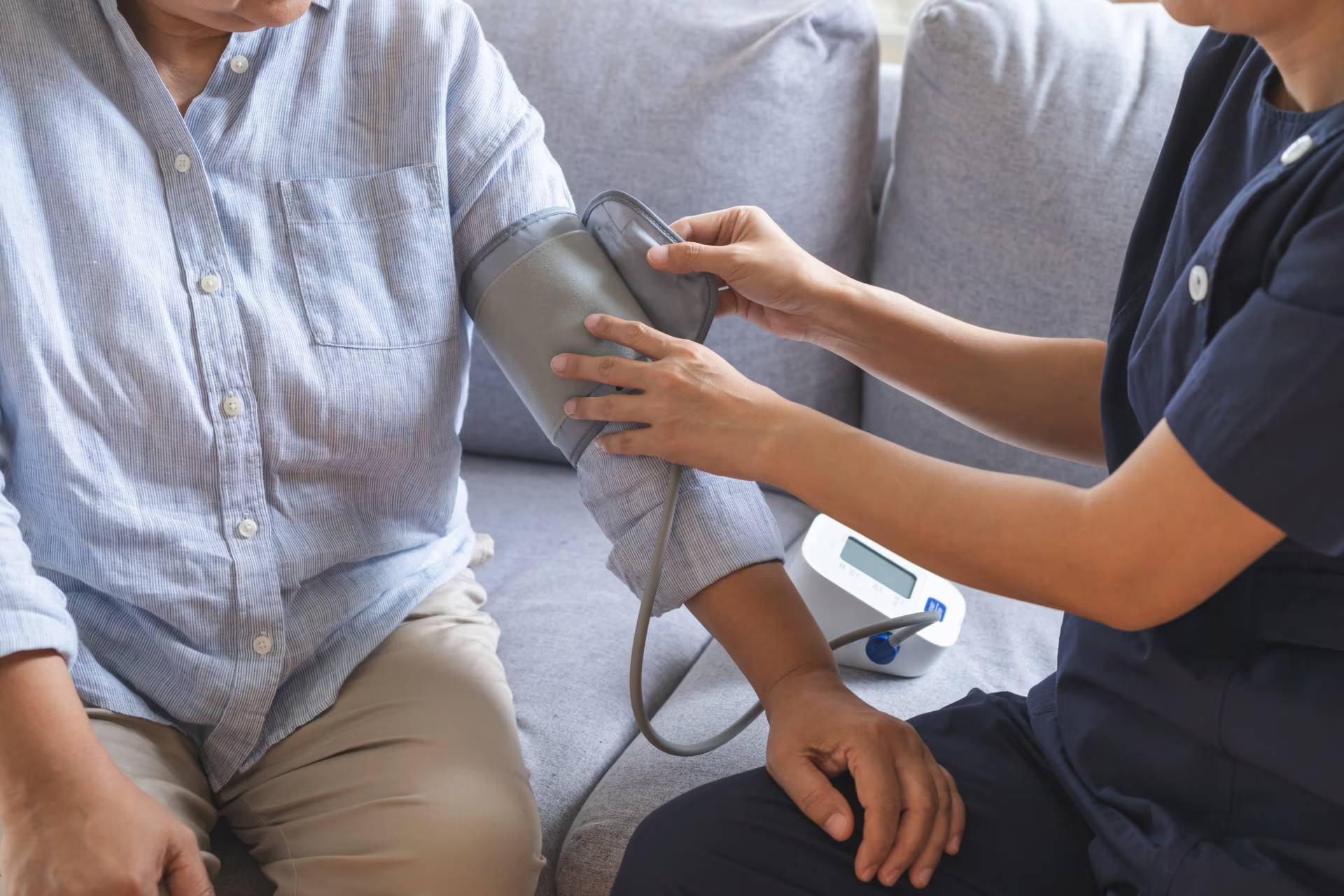
Hypertension affects over 1.4 billion adults worldwide and remains the leading modifiable risk factor for global cardiovascular (CV) morbidity and mortality. It is responsible for an estimated 10.8 million deaths annually and contributes significantly to the global burden of ischaemic heart disease, ...

Hypertension has been associated with increased cardiovascular morbidity and mortality, as well as with overall elevated all-cause mortality.1 Prevalence increases with age, affecting 28.5% of US individuals aged 20–44 years, 58.6% of those aged 45–64 years and 76.5% of those aged 65 years and older.2 In ...

Heart failure (HF) is a complex and progressive clinical syndrome that significantly impacts morbidity, mortality and quality of life (QoL).1 On a global scale, HF has become an escalating public health concern, affecting more than 64 million individuals in 2017, and this ...

Epicardial adipose tissue (EAT) is a fat collection directly adjacent to the myocardium and coronary vasculature, lacking any separation and sharing the same circulation.1,2 This anatomy enables direct signalling between EAT and the surrounding tissue, positioning EAT as a central ...

In this episode, Nicky speaks with Prof. Georgina Ellison-Hughes from King’s College London about the groundbreaking field of senolytics and their potential to advance the treatment of age-related diseases. From understanding the science behind cellular senescence to how senolytic drugs work and what early clinical trials reveal, this episode explores an exciting frontier in longevity medicine.

Despite advancements in mortality rates from cardiovascular disease (CVD) over the last 50 years, it remains the leading cause of death for women and the third leading cause for women aged 18 to 44.1 A 2011 report from the American Heart Association (AHA) starkly ...

Gene therapies are redefining the landscape of cardiovascular treatment, offering targeted solutions for conditions like heart failure, hypertrophic cardiomyopathy, and amyloidosis. Using advanced techniques such as viral vector delivery, RNA modulation, and CRISPR-based editing, these therapies aim to address root genetic causes. While challenges in delivery and safety remain, early clinical data signal a promising shift toward more durable and precise cardiac interventions.

May 2025 saw several significant developments in the field of cardiology, including new regulatory approvals, long-term clinical trial data and important findings from late-breaking studies. This roundup highlights the latest updates across structural, interventional and heart failure therapies, with implications for ...

Cardiovascular disease (CVD) continues to be the primary cause of mortality and morbidity globally with middle-aged women presenting with additional and possibly, overlooked risk factors.1 Despite several awareness programmes, there remain several gaps in the political education and representation needs ...

Tricuspid regurgitation (TR) is a frequent finding on echocardiography, with detection rates reaching up to 86% across the different ranges of severity, with moderate or greater TR being reported in at least 6–8% of patients.1–3 The prevalence of TR increases with age, ...

Cardiovascular disease (CVD) is a significant cause of morbidity and mortality in patients with type 2 diabetes mellitus (T2DM). An estimated 60–80% of patients with T2DM die of cardiovascular events.1,2 A bidirectional relationship has been noted between heart failure (HF) ...

The Ground-BrEAking Electroporation-based inTervention for Atrial Fibrillation (BEAT-AF) treatment project is an initiative funded by the European Commission from the European Union's Horizon 2020 research and innovation programme, and managed under the European Health and Digital Executive Agency (grant number 945125).1,2 The ...

Summary Few clinical studies have shown an association between coronary artery disease (CAD) and osteoporosis. This cross-sectional study has shown that, among Indian postmenopausal women, the prevalence of CAD increases across lower bone mineral density categories. Femoral neck osteoporosis confers ...
Log into your Touch Account
Keep track of your clinical interests and newsletter subscriptions.
Sign up with an Email
Or use a .
Register now for FREE access
Already registered? Login below.
