
Search Results
164 Results Found for “myocardial infarction”

The PRESC1SE-MI trial found that a 0/1-hour pathway for assessing patients with suspected myocardial infarction was non-inferior to a more conservative 0/3-hour pathway for safety, but did not reduce the time patients spent in the emergency department.

Cardiovascular diseases (CVDs) are the leading cause of morbidity and mortality worldwide.1 High systolic blood pressure (SBP) remains one of the top risk factors for CVD burden globally.2 Despite being a modifiable risk factor, hypertension (HTN) remains largely undiagnosed and ...

Professor Arnoud van ’t Hof discusses the CELEBRATE trial, the potential benefits of administering antiplatelet therapy before patients with STEMI reach the catheterization laboratory, and what would be needed to translate this approach into clinical practice.

AMUNDSEN showed that immediate initiation of evolocumab after myocardial infarction substantially increased LDL-C goal achievement, but did not significantly reduce death or cardiovascular hospitalization at 1 year. Starting evolocumab immediately after myocardial infarction (MI) more than doubled the proportion of patients ...

ESC Congress 2026 begins in Munich on August 28, bringing four days of new cardiovascular research, clinical guidance and discussion. Early data released ahead of the meeting provide a first look at some of the science to come.

Late-breaking clinical research will once again be a major focus at ESC Congress 2026, taking place in Munich, Germany, from August 28–31. This year, a record 59 trials have been selected for presentation across 12 Hot Line sessions, spanning new pharmacological approaches, diagnostic strategies, devices, imaging and digital technologies.

New clinical guidelines, late-breaking trials, artificial intelligence, and an increasing focus on cardiometabolic and precision medicine are set to shape discussions at ESC Congress 2026 in Munich.

Native valve infective endocarditis (IE) is rare, with an incidence of 3–7 cases per 100,000 person-years.1,2 Cardiac structural complications from local infection extension include valvular destruction, peri-annular abscess and fistula formation. Left ventricular pseudoaneurysm (LVP) from IE is exceedingly rare, occurring in &...

Ventricular fibrillation (VF) is characterized by rapid (>300 beats a per minute), irregular electrical activation with variable electrocardiographic waveforms that prevents coordinated myocardial contraction, resulting in immediate loss of cardiac output.1 It most commonly occurs in the context of coronary ...

Sudden cardiac arrest (SCA) in young adults (typically defined as individuals younger than 40 years) has emerged as an important yet under-recognized public health concern. Recent estimates suggest an incidence of approximately 1–4 cases per 100,000 person-years, underscoring the clinical and epidemiological relevance ...

New late-breaking data presented on Day 3 of EuroPCR 2026 highlighted evolving approaches to antiplatelet therapy, transcatheter treatment of pure aortic regurgitation and procedural optimization in bicuspid TAVR

Day 2 hotline data at EuroPCR 2026 highlighted improved outcomes with FFR-guided PCI in TAVI, comparable 10-year survival with PCI and CABG in left main disease and consistent LAAC benefits across age groups.
Data presented on the first day of EuroPCR 2026, Paris, highlighted continued advances in lipid lowering, coronary scaffold technology and vessel restoration strategies. From substantial reductions in cardiovascular events with aggressive LDL-cholesterol lowering to encouraging long-term outcomes with next-generation bioresorbable and adaptive coronary devices, these studies offered important insights into the future direction of PCI and secondary prevention.

From breakthrough prevention strategies to pivotal late-breaking trials, ACC.26 showcased the rapidly evolving future of cardiovascular care.

At ACC26, William Fearon and Ajay Kirtane presented a large randomized trial, showing angiography-derived coronary physiology is noninferior to pressure wire–guided PCI, with added procedural efficiency and potential to expand physiologic assessment in routine practice.

The ASPC launches a new working group to advance women in preventive cardiology, tackling gaps in mentorship, leadership, and representation while improving cardiovascular care for women - we spoke to co-Chair Dr Kardie Tobb about the groups' inception and their plans for reducing inequality for women cardiologists.

Shingles vaccination associated with reduced cardiovascular risk in data to be presented at ACC 2026
New data to be presented at ACC 2026 suggest that shingles vaccination is associated with a reduced risk of major cardiovascular events, including myocardial infarction and stroke. In a large observational analysis, vaccinated individuals showed lower event rates within 12 months of follow-up. While the findings are subject to study limitations, they add to growing evidence linking infection prevention with cardiovascular risk reduction.
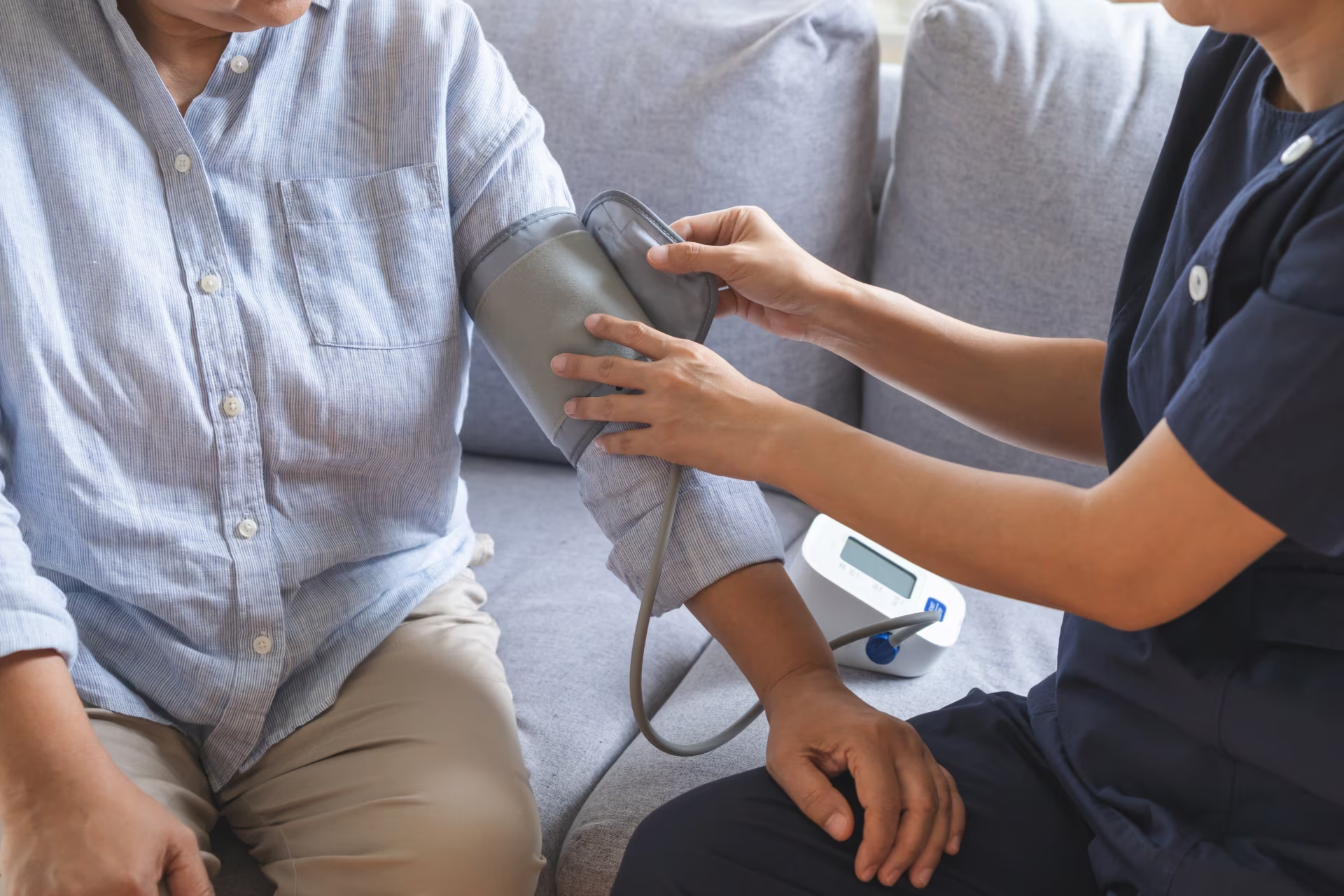
Hypertension affects over 1.4 billion adults worldwide and remains the leading modifiable risk factor for global cardiovascular (CV) morbidity and mortality. It is responsible for an estimated 10.8 million deaths annually and contributes significantly to the global burden of ischaemic heart disease, ...
Log into your Touch Account
Keep track of your clinical interests and newsletter subscriptions.
Sign up with an Email
Or use a .
Register now for FREE access
Already registered? Login below.
