
Search Results
138 Results Found for “percutaneous”

AMUNDSEN showed that immediate initiation of evolocumab after myocardial infarction substantially increased LDL-C goal achievement, but did not significantly reduce death or cardiovascular hospitalization at 1 year. Starting evolocumab immediately after myocardial infarction (MI) more than doubled the proportion of patients ...

New late-breaking data presented on Day 3 of EuroPCR 2026 highlighted evolving approaches to antiplatelet therapy, transcatheter treatment of pure aortic regurgitation and procedural optimization in bicuspid TAVR

Day 2 hotline data at EuroPCR 2026 highlighted improved outcomes with FFR-guided PCI in TAVI, comparable 10-year survival with PCI and CABG in left main disease and consistent LAAC benefits across age groups.
Data presented on the first day of EuroPCR 2026, Paris, highlighted continued advances in lipid lowering, coronary scaffold technology and vessel restoration strategies. From substantial reductions in cardiovascular events with aggressive LDL-cholesterol lowering to encouraging long-term outcomes with next-generation bioresorbable and adaptive coronary devices, these studies offered important insights into the future direction of PCI and secondary prevention.

From breakthrough prevention strategies to pivotal late-breaking trials, ACC.26 showcased the rapidly evolving future of cardiovascular care.

At ACC26, William Fearon and Ajay Kirtane presented a large randomized trial, showing angiography-derived coronary physiology is noninferior to pressure wire–guided PCI, with added procedural efficiency and potential to expand physiologic assessment in routine practice.
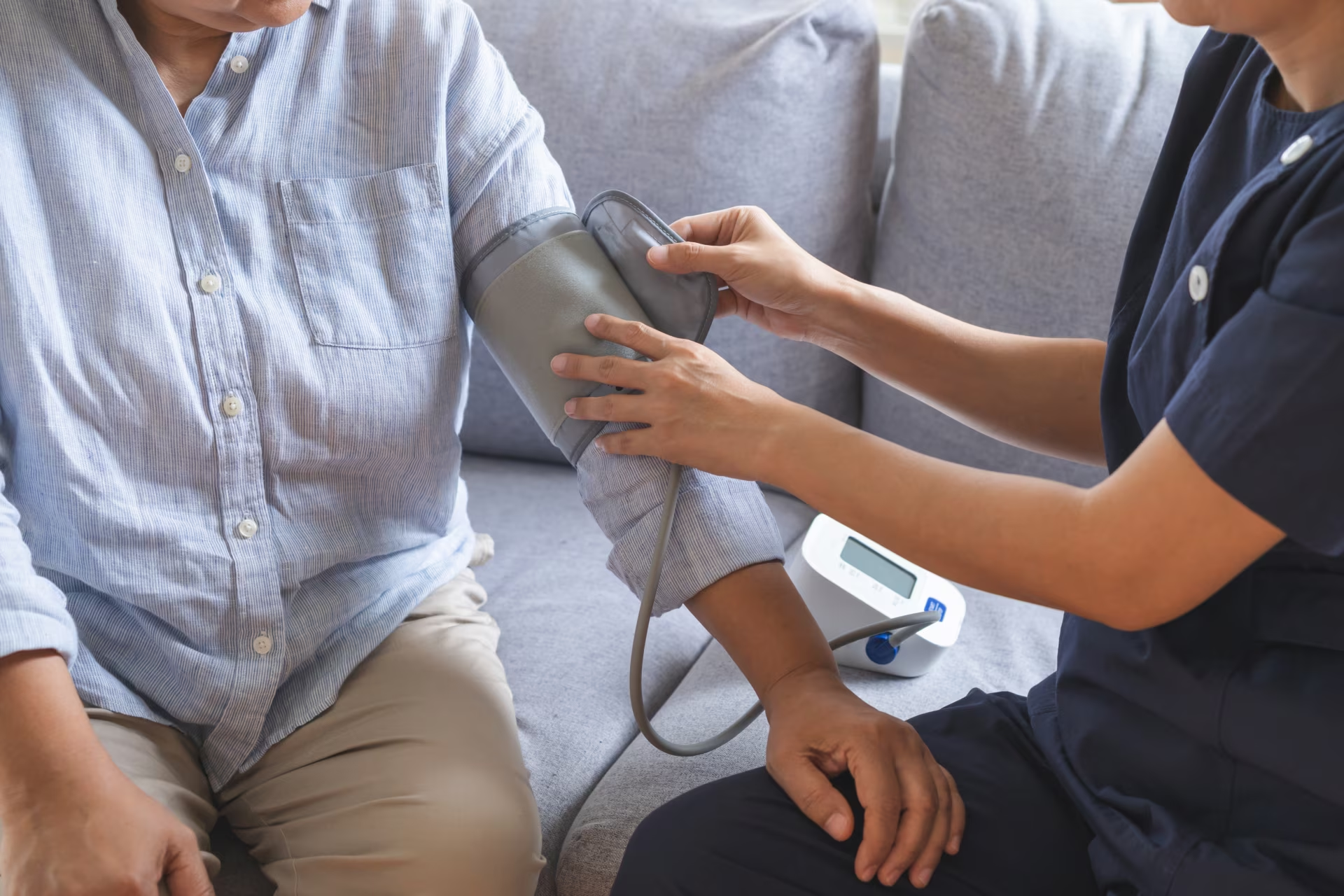
Hypertension affects over 1.4 billion adults worldwide and remains the leading modifiable risk factor for global cardiovascular (CV) morbidity and mortality. It is responsible for an estimated 10.8 million deaths annually and contributes significantly to the global burden of ischaemic heart disease, ...

Cardiovascular medicine in 2025 has been marked by rapid innovation and meaningful shifts in clinical practice. In this year-in-review, touchCARDIO brings together expert reflections highlighting paradigm-changing trial data, the emergence of pulsed field ablation and conduction system pacing, advances in imaging and prevention, and the accelerating integration of artificial intelligence. Collectively, these perspectives underscore a field evolving toward more precise, technology-enabled and preventive cardiovascular care, while emphasising the need to translate scientific progress into improved outcomes for patients worldwide.

As 2025 draws to a close, we’re celebrating another remarkable year of growth, collaboration and innovation at touchCARDIO. From thought-provoking expert interviews and peer-reviewed research to dynamic conference coverage and an expanding portfolio of medical education, this year has been defined by meaningful conversations and impactful learning. We’ve had the privilege of engaging with leading clinicians, researchers and partner societies across the globe - bringing together diverse voices to support the cardiology community with timely, accessible and authoritative content. As we reflect on the past 12 months, we’re proud to highlight the moments, milestones and stories that shaped our year.

Coronary artery dissection is a common occurrence during lesion preparation and after drug-coated balloon (DCB) inflation.1 Recent DCB studies focusing on coronary dissections have shown a few key findings: Their angiographic incidence varies between 35 and 60%. Non-flow-limiting dissections left untreated had ...

The foramen ovale, an obligatory channel, allows placental oxygenated blood to directly reach the fetal arterial circulation and remains patent in 25% of the adult population.1 Patency provides a potential gateway for venous emboli to reach the arterial circulation, potentially resulting ...

May 2025 saw several significant developments in the field of cardiology, including new regulatory approvals, long-term clinical trial data and important findings from late-breaking studies. This roundup highlights the latest updates across structural, interventional and heart failure therapies, with implications for ...

Forty-seven years ago, Andreas Gruentzig introduced ‘percutaneous transluminal coronary angioplasty’ (PTCA) as a new approach to treating symptomatic occlusive coronary artery disease.1 The mechanism of balloon angioplasty (BA) formed the foundation around which newer equipment and technologies were developed, including ...

Tricuspid regurgitation (TR) is a frequent finding on echocardiography, with detection rates reaching up to 86% across the different ranges of severity, with moderate or greater TR being reported in at least 6–8% of patients.1–3 The prevalence of TR increases with age, ...

Cardiovascular diseases are the most common cause of mortality and morbidity in adults worldwide.1 Coronary angiography (CAG) is the gold standard method for evaluating atherosclerotic coronary artery disease (CAD).2 It is conventionally performed via the trans-femoral (TF) route. Recently, however, ...
Revascularization for patients with ischaemic left ventricular (LV) systolic dysfunction takes one of two forms - percutaneous coronary intervention (PCI) and coronary artery bypass graft (CABG), both of which have positives and negatives. STICH, published in 2011, analysed the role of CABG in patients with LV systolic dysfunction and looked at improvement of clinical outcomes in 1,212 patients from 22 countries across the world, optimised to either optimal medical therapy or optimal medical therapy plus CABG. REVIVED-BCIS2 in 2022 looked at 700 patients in the UK with a similar patient population of 35% ejection fraction or less, randomized to PCI or optimal medical therapy. This interview dives into their analysis of the results from these exciting trials and investigation into the discrepancies between the outcomes.

The EuroPCR 2024 meeting, the leading global conference in interventional cardiovascular medicine, was a hub of innovation and cutting-edge research. This year’s event in Paris brought together the world's foremost experts, researchers and clinicians to share the latest advancements and breakthroughs in the field. From novel therapeutic approaches to landmark clinical trials, EuroPCR 2024 provided a comprehensive overview of the current and future landscape of cardiovascular care. We selected our top three trials from this year’s late-breaking sessions:

Highlights The autonomic nervous system plays a critical role in the aetiopathogenesis of atrial fibrillation (AF). Neuromodulation of the autonomic nervous system has been a topic of increased interest in the management of AF. Ablation of ganglionated plexi, ethanol ablation ...
Log into your Touch Account
Keep track of your clinical interests and newsletter subscriptions.
Sign up with an Email
Or use a .
Register now for FREE access
Already registered? Login below.
