
Search Results
28 Results Found for “sympathetic nervous system”
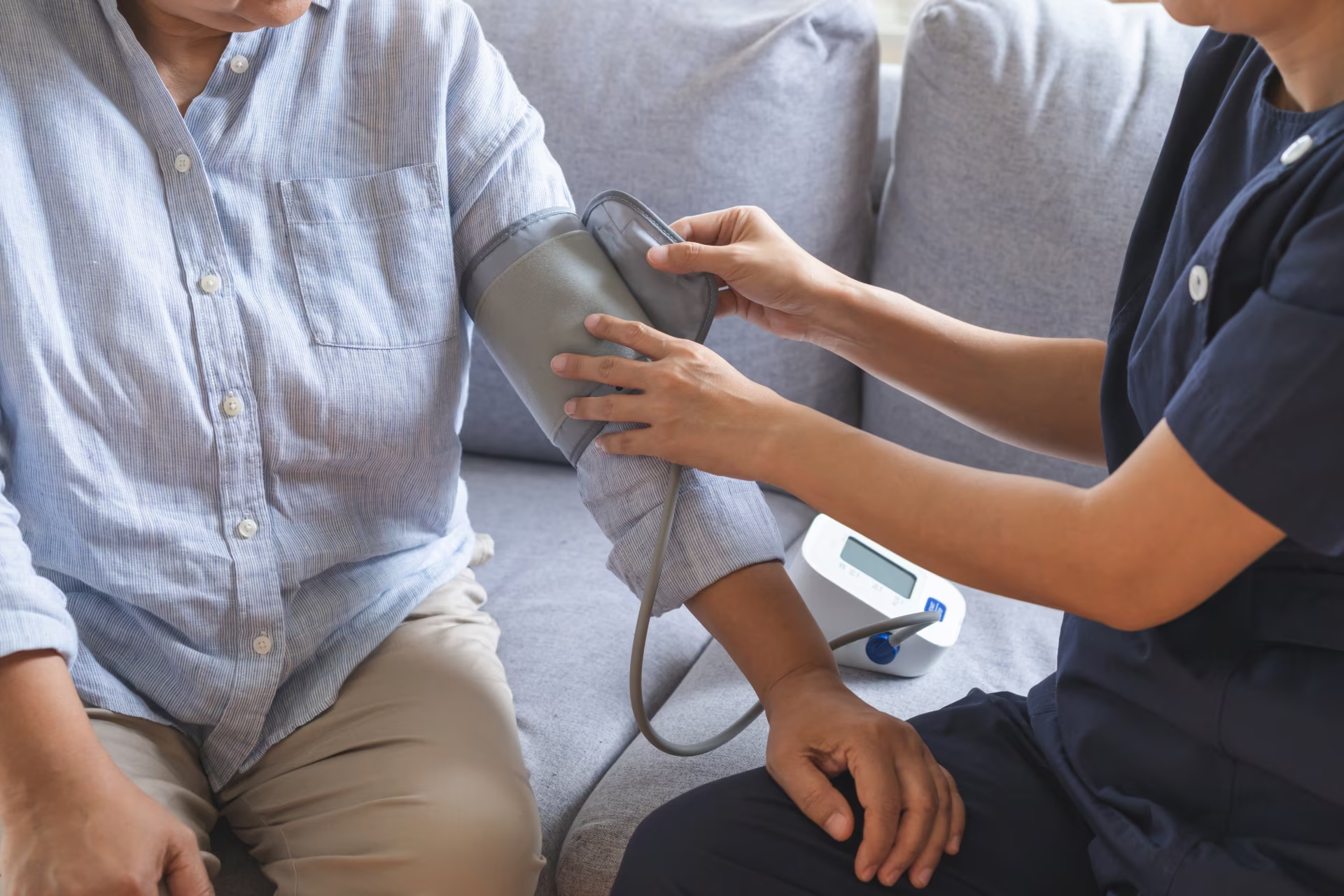
Hypertension affects over 1.4 billion adults worldwide and remains the leading modifiable risk factor for global cardiovascular (CV) morbidity and mortality. It is responsible for an estimated 10.8 million deaths annually and contributes significantly to the global burden of ischaemic heart disease, ...

Hypertension has been associated with increased cardiovascular morbidity and mortality, as well as with overall elevated all-cause mortality.1 Prevalence increases with age, affecting 28.5% of US individuals aged 20–44 years, 58.6% of those aged 45–64 years and 76.5% of those aged 65 years and older.2 In ...

The EEA’s Environmental Noise in Europe 2025 report confirms that chronic exposure to noise is a major contributor to cardiovascular and metabolic disease, linked to tens of thousands of premature deaths annually. In this expert interview, Prof. Thomas Münzel highlights the biological mechanisms involved, the inadequacy of current noise thresholds, and the urgent need to integrate environmental noise into clinical guidelines, risk assessments, and public health policy.
It is with pride and gratitude that we reflect on the remarkable 10-year journey of European Journal of Arrhythmia & Electrophysiology. With the vital contributions of all of our esteemed authors, reviewers and editorial board members, the journal has served ...

Cardiovascular disease (CVD) is a significant cause of morbidity and mortality in patients with type 2 diabetes mellitus (T2DM). An estimated 60–80% of patients with T2DM die of cardiovascular events.1,2 A bidirectional relationship has been noted between heart failure (HF) ...
Highlights The autonomic nervous system plays a critical role in the aetiopathogenesis of atrial fibrillation (AF). Neuromodulation of the autonomic nervous system has been a topic of increased interest in the management of AF. Ablation of ganglionated plexi, ethanol ablation ...

Summary Few clinical studies have shown an association between coronary artery disease (CAD) and osteoporosis. This cross-sectional study has shown that, among Indian postmenopausal women, the prevalence of CAD increases across lower bone mineral density categories. Femoral neck osteoporosis confers ...

Diabetes mellitus (DM) is strongly associated with severe macro- and micro-vascular complications; it is also proven to be a strong independent risk factor for developing heart failure (HF).1 In fact, the prevalence of DM is reported to be as high ...

Heart failure (HF), a prevalent disease, is the common final pathway of several conditions, which result in the activation of numerous neurohumoral pathways. Cardiorenal interaction plays an essential role in the progression of the disease, and the use of diuretics ...
Highlights Failure to target and deliver durable radiofrequency lesions to all functionally critical areas has been identified as an important cause of ventricular tachycardia recurrence and is particularly challenging in deep midmyocardial or very extensive substrate where point-by-point radiofrequency ablation ...

Heart failure with preserved ejection fraction (HFpEF) is a hemodynamic disorder characterized by an elevation of left ventricular filling pressures. This trial assessed the ability of dapagliflozin, a sodium-glucose co-transporter 2 inhibitor (SGLT2i), to reduce this elevation. In this touchCARDIO ...

Atrial fibrillation (AF) is the most common cardiac arrhythmia observed in clinical practice worldwide.1 The incidence of AF is around 0.1% in individuals under 55 years old and 9% in those aged over 80.2 The global prevalence of AF is estimated to be around 44 ...

Vasovagal syncope is common, and while it is usually associated with a benign prognosis, it results in significant physical and psychological morbidity for affected individuals. Despite comprehensive understanding of the underlying pathophysiology, there have been few definitive therapeutic advances until ...

Paroxysmal supraventricular tachycardia (PSVT) defines a group of cardiac arrhythmias where the underlying mechanism is dependent upon structures at or above the level of the atrioventricular node. The recent PRE-EMPT study retrospectively evaluated health records of over 4.2 million people in ...

Several closely regulated ion channels are involved in the various phases of the myocardial action potential (phases 0–4) (Figure 1).1 In the absence of neuroendocrine and other regulatory signals, the pacing rate of the sinoatrial node is 100 beats per minute (bpm). However, ...

Supraventricular tachycardia (SVT) occurs with a prevalence of 2–3/1,000 in the general population and is characterised by atrial rates >100 beats per minute (bpm) at rest. Per definition, SVT originates in the atria or atrioventricular (AV) node tissue above the His ...

Hypertension is a global health problem, with an estimated 1.13 billion individuals affected.1 Patients with hypertension, especially when resistant to conventional therapy, are at high risk of sequelae, e.g., ischaemic heart disease, haemorrhagic and ischaemic stroke, cardiac failure, peripheral vascular ...

The ketogenic diet is experiencing a resurgence in endocrine and metabolic circles, and its use has become popular in recent years.1 This encouraging trend stems from two reasons: the ever-increasing burden of the obesity and diabetes pandemics, as well as ...
Log into your Touch Account
Keep track of your clinical interests and newsletter subscriptions.
Sign up with an Email
Or use a .
Register now for FREE access
Already registered? Login below.
