
Search Results
153 Results Found for “ventricular tachycardia”

Native valve infective endocarditis (IE) is rare, with an incidence of 3–7 cases per 100,000 person-years.1,2 Cardiac structural complications from local infection extension include valvular destruction, peri-annular abscess and fistula formation. Left ventricular pseudoaneurysm (LVP) from IE is exceedingly rare, occurring in &...

Longer diagnosis-to-ablation time (DAT) was associated with a higher risk of atrial arrhythmia recurrence following de novo radiofrequency catheter ablation (RFA) for atrial fibrillation (AF), according to a prospective, multicenter cohort study published in JAMA Network Open.1

At EHRA 2026, Professor Claudio Tondo presents his highlights on advances in ablation and device technologies, led by pulsed field ablation, showcasing a rapidly evolving landscape in the treatment of complex arrhythmias.

Ventricular fibrillation (VF) is characterized by rapid (>300 beats a per minute), irregular electrical activation with variable electrocardiographic waveforms that prevents coordinated myocardial contraction, resulting in immediate loss of cardiac output.1 It most commonly occurs in the context of coronary ...

Sudden cardiac arrest (SCA) in young adults (typically defined as individuals younger than 40 years) has emerged as an important yet under-recognized public health concern. Recent estimates suggest an incidence of approximately 1–4 cases per 100,000 person-years, underscoring the clinical and epidemiological relevance ...

From EHRA 2026, Dr Salik Ur Rehman discusses advances in pulsed field ablation, mapping technologies, and conduction system pacing highlight a rapidly evolving landscape in electrophysiology care.
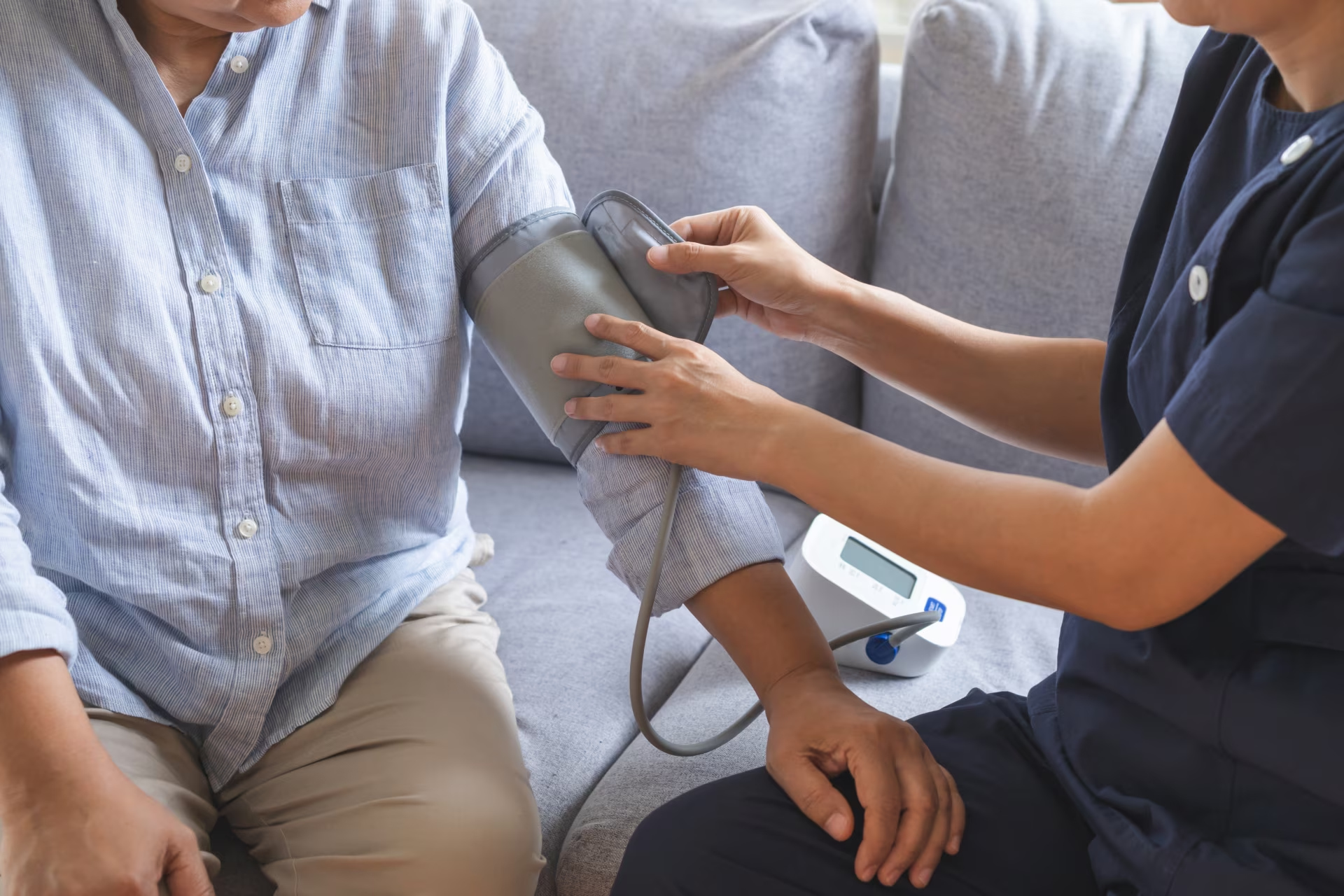
Hypertension affects over 1.4 billion adults worldwide and remains the leading modifiable risk factor for global cardiovascular (CV) morbidity and mortality. It is responsible for an estimated 10.8 million deaths annually and contributes significantly to the global burden of ischaemic heart disease, ...

Cardiovascular medicine in 2025 has been marked by rapid innovation and meaningful shifts in clinical practice. In this year-in-review, touchCARDIO brings together expert reflections highlighting paradigm-changing trial data, the emergence of pulsed field ablation and conduction system pacing, advances in imaging and prevention, and the accelerating integration of artificial intelligence. Collectively, these perspectives underscore a field evolving toward more precise, technology-enabled and preventive cardiovascular care, while emphasising the need to translate scientific progress into improved outcomes for patients worldwide.

In this interview, Dr Valentina Kutyifa, University of Rochester Medical Center, Rochester, NY, USA, offers insight into the BIO LIBRA study (ClinicalTrials.gov identifier: NCT03884608), a landmark trial designed to reassess outcomes in patients with non-ischaemic cardiomyopathy in the era of contemporary medical therapy. Recognizing that much of the original evidence supporting implantable cardioverter-defibrillator (ICD) use in this population dates back decades, the BIO LIBRA study was initiated to fill key knowledge gaps using modern treatment protocols.

Conduction system pacing (CSP) is being increasingly adopted as a more physiological alternative to right ventricular and biventricular pacing and is an integral part of the European Heart Rhythm Association (EHRA) core curriculum for the device specialist.1–6 Left bundle branch ...

The Ground-BrEAking Electroporation-based inTervention for Atrial Fibrillation (BEAT-AF) treatment project is an initiative funded by the European Commission from the European Union's Horizon 2020 research and innovation programme, and managed under the European Health and Digital Executive Agency (grant number 945125).1,2 The ...

A recent study published in Nature Medicine has provided compelling evidence that wearable devices can play a crucial role in managing atrial fibrillation (AF) in elderly patients.

Highlights The autonomic nervous system plays a critical role in the aetiopathogenesis of atrial fibrillation (AF). Neuromodulation of the autonomic nervous system has been a topic of increased interest in the management of AF. Ablation of ganglionated plexi, ethanol ablation ...

Catheter ablation (CA) is an invasive adjunctive therapeutic option for atrial and ventricular arrhythmias, in uncontrolled cases, following optimal medical therapy.1,2 The validation of 3D mapping and its implementation into clinical usage has been a remarkable achievement in the field ...

Welcome to the latest issue of the European Journal of Arrhythmia & Electrophysiology, the official journal of the Arrhythmia Alliance. We are honoured to present a series of compelling articles that reflect cutting-edge developments and diverse perspectives in this ever-evolving ...

Ventricular tachycardia (VT) ablation presents a challenging and growing area of focus in the realm of complex ablation, with promises of improved patient’s quality of life and clinical outcomes.1,2 Classic approaches to VT ablation centered on arrhythmia induction and ...

Supraventricular tachycardia (SVT) is an important cause of intrusive palpitation symptoms. This expert interview explores a nurse-led end-to-end pathway for the diagnosis, assessment and management of this condition. It was conducted at the Barts Heart Centre of Barts Health NHS ...

Highlights Failure to target and deliver durable radiofrequency lesions to all functionally critical areas has been identified as an important cause of ventricular tachycardia recurrence and is particularly challenging in deep midmyocardial or very extensive substrate where point-by-point radiofrequency ablation ...
Log into your Touch Account
Keep track of your clinical interests and newsletter subscriptions.
Sign up with an Email
Or use a .
Register now for FREE access
Already registered? Login below.
