
Search Results
312 Results Found for “Cardiovascular risk”

Duchenne muscular dystrophy (DMD) is an X-linked myopathy resulting from inactivating dystrophin mutations that cause progressive muscle breakdown, affecting 1:5,000 live male births globally. Boys with DMD are typically diagnosed at ~4 years of age, lose ambulation as preteens and die of ...
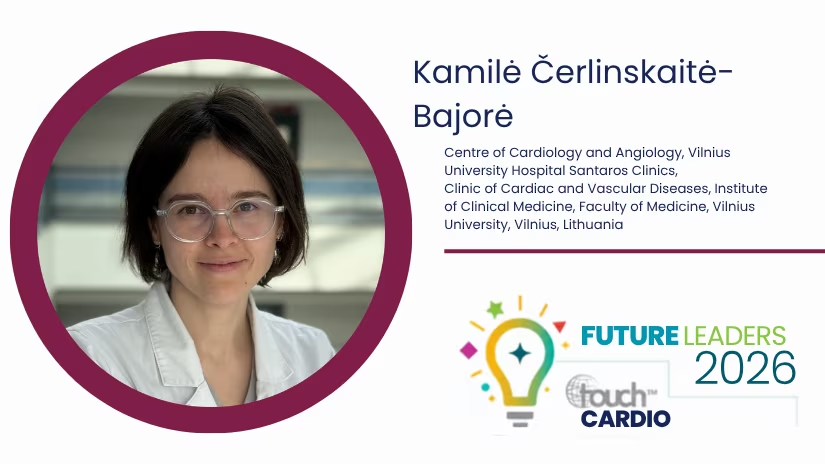
Dr Kamilė Čerlinskaitė-Bajorė is a cardiologist and touchCARDIO Future Leader 2026. In this interview, she discusses her journey into cardiology and heart failure, the mentors who have shaped her career, the challenges of caring for complex patients, and the importance of resilience and support from colleagues. She also shares her enthusiasm for advances in heart failure treatment and emerging research into heart failure with preserved ejection fraction.
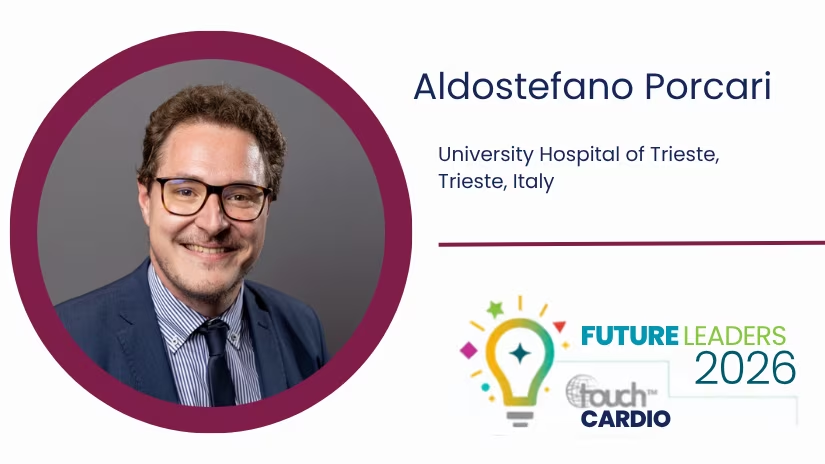
Dr Aldostefano Porcari is a Consultant Cardiologist and touchCARDIO Future Leader 2026. In this interview, he discusses his journey into cardiology, the mentors and experiences that shaped his career, the clinical reasoning that drives his interest in complex cases, and the importance of understanding your strengths and finding a specialty that aligns with who you are.
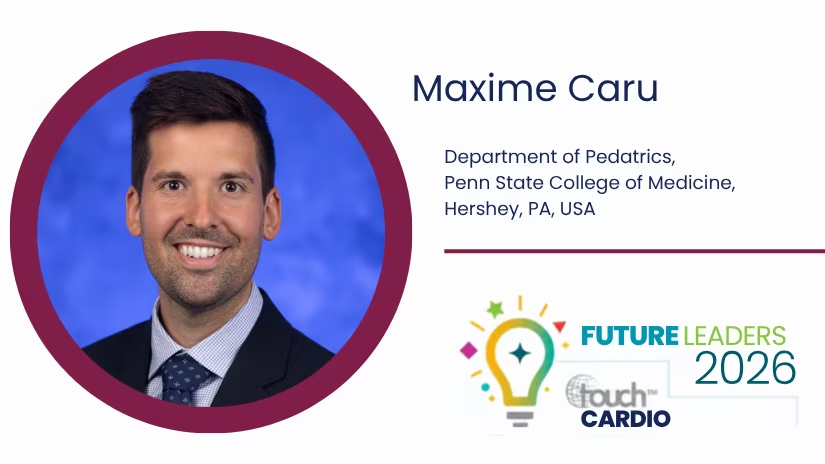
Dr Maxime Caru is a pediatric exercise physiologist, researcher and touchCARDIO Future Leader 2026. In this interview, he discusses his journey into cardio-oncology, the mentors who shaped his career, the role of physical activity in reducing treatment-related cardiotoxicity in pediatric cancer survivors and his vision for integrating exercise and supportive care into standard pediatric oncology practice.
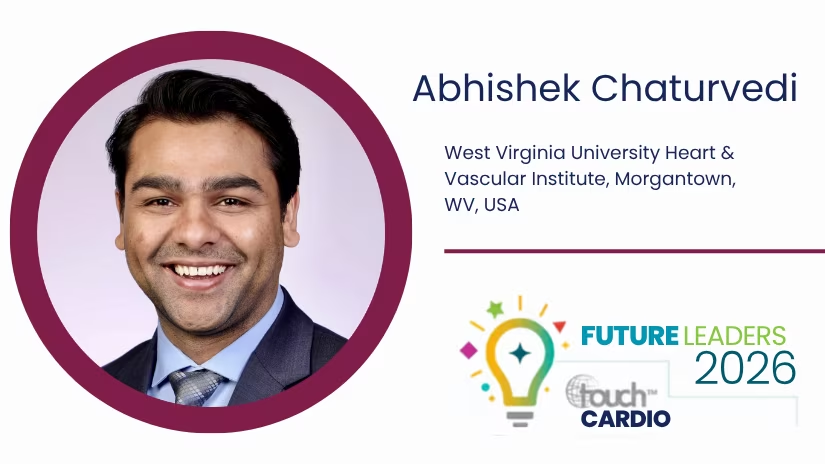
Dr Abhishek Chaturvedi is a cardiologist and touchCARDIO Future Leader 2026. In this interview, he discusses his journey into cardiology, the mentors and experiences that shaped his career, his passion for interventional cardiology and cardiovascular research, and the importance of combining clinical excellence, scientific discovery and global health initiatives to improve patient outcomes.
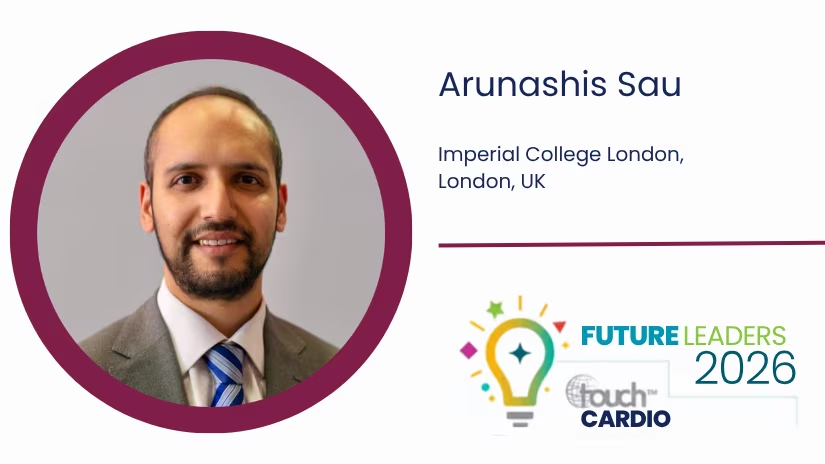
Dr Arunashis Sau is a cardiologist, electrophysiologist and touchCARDIO Future Leader 2026. In this interview, he discusses his journey into electrophysiology, the mentors who shaped his career, combining clinical training with research, and his work using artificial intelligence to unlock new insights from ECGs and other clinical data.
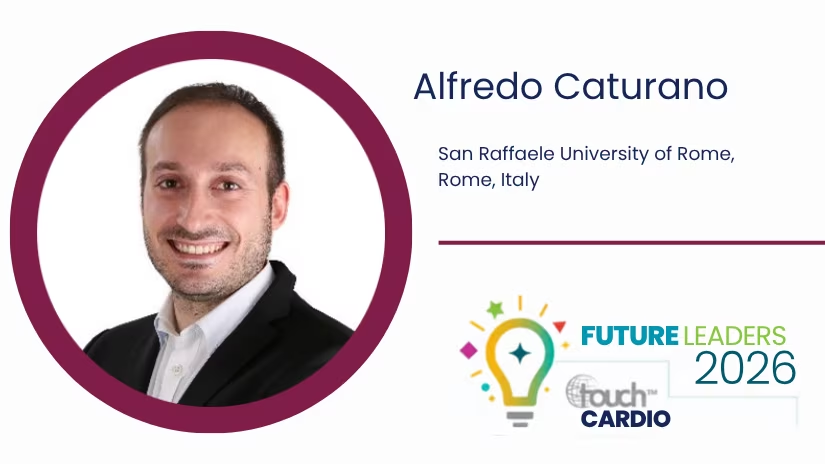
Dr Alfredo Caturano is an Assistant Professor of Internal Medicine and touchCARDIO Future Leader 2026. In this interview, he discusses his journey into cardiovascular and cardiometabolic medicine, the mentors who shaped his career, the challenges and rewards of clinical research, and the evolving links between diabetes, obesity and cardiovascular disease, as well as his vision for more personalised approaches to cardiometabolic care.
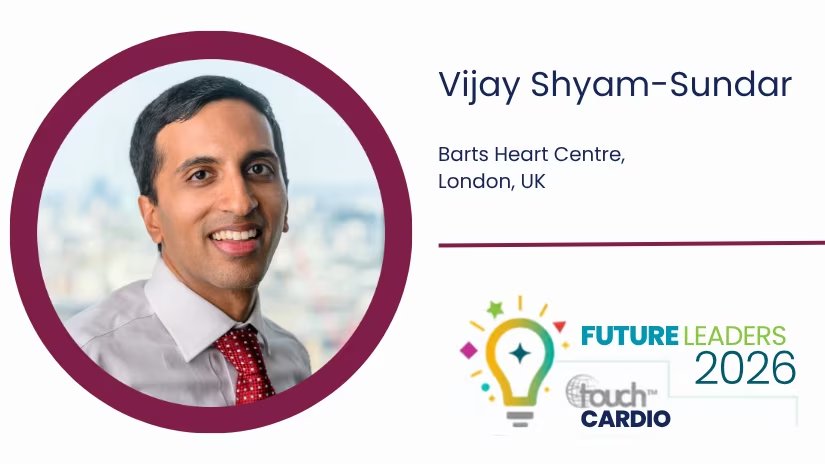
Dr Vijay Shyam-Sundar is a cardiologist and touchCARDIO Future Leader 2026. In this interview, he discusses his journey into cardiology and clinical academia, the mentors who shaped his career, the challenges of research funding, and his work developing artificial intelligence to improve cardiovascular care, as well as his vision for the safe, explainable and effective use of AI in clinical practice.

Dr Jonathan Piccini discusses rhythm control in patients with atrial fibrillation and heart failure with preserved ejection fraction, the growing role of catheter ablation, and the evidence still needed to define its impact on cardiovascular outcomes.

At ESC Congress 2026, Dr Rami Abu Fanne (Hillel Yaffe Medical Center and Hadassah Medical Center, The Hebrew University of Jerusalem) presented an analysis exploring whether baseline vitamin D levels were associated with metabolic response to semaglutide in people with type 2 diabetes. The study included 5,300 adults and found that higher baseline vitamin D levels were associated with greater improvements in glycemic control and BMI after 12 months of treatment, although no association was observed with lipid outcomes. Dr Abu Fanne spoke to touchCARDIO about the findings and the questions they raise for future research.

Cardiovascular diseases (CVDs) are the leading cause of morbidity and mortality worldwide.1 High systolic blood pressure (SBP) remains one of the top risk factors for CVD burden globally.2 Despite being a modifiable risk factor, hypertension (HTN) remains largely undiagnosed and ...

AMUNDSEN showed that immediate initiation of evolocumab after myocardial infarction substantially increased LDL-C goal achievement, but did not significantly reduce death or cardiovascular hospitalization at 1 year. Starting evolocumab immediately after myocardial infarction (MI) more than doubled the proportion of patients ...

Phase III SHASTA-3 and SHASTA-4 results showed substantial and sustained triglyceride reductions with plozasiran, alongside fewer acute pancreatitis events.

The first dedicated ESC Guidelines on the management of cardiovascular disease and chronic kidney disease recommend kidney function and urine albumin testing in all patients with cardiovascular disease, with an emphasis on identifying CKD early and initiating effective treatment without delay.

Direct oral anticoagulant (DOAC) therapy reduced adverse clinical events compared with no anticoagulation in patients with atrial fibrillation (AF) at intermediate risk of stroke, according to results from the SINGLE-AF trial presented during a Hot Line session at ESC Congress 2026.1

New heart failure guidelines, practice-changing Hot Line data, artificial intelligence and new evidence in atrial fibrillation and cardiac amyloidosis are among the highlights to look out for on the opening day of ESC Congress 2026.

ESC Congress 2026 begins in Munich on August 28, bringing four days of new cardiovascular research, clinical guidance and discussion. Early data released ahead of the meeting provide a first look at some of the science to come.

Dr Arasi Maran explores practical strategies for integrating lifestyle interventions into the management of complex coronary artery disease, including how to prioritise modifiable risk factors, communicate recommendations effectively and support sustained behaviour change. She also discusses the role of imaging, reliable health information and patient-centred approaches to improving adherence.
Log into your Touch Account
Keep track of your clinical interests and newsletter subscriptions.
Sign up with an Email
Or use a .
Register now for FREE access
Already registered? Login below.
