
Antioxidant enzymes as potential targets in cardioprotection and treatment of cardiovascular diseases. Enzyme antioxidants: the next stage of pharmacological counterwork to the oxidative stress
Abstract
Overview
The focus in antioxidant research is on
enzyme derivative investigations. Extracellular
superoxide dismutase (EC-SOD) is of particular
interest, as it demonstrates in vivo the
protective action against development of atherosclerosis,
hypertension, heart failure, diabetes
mellitus. The reliable association of
coronary artery disease with decreased level of
heparin-released EC-SOD was established in
clinical research. To create a base for and to
develop antioxidant therapy, various SOD
isozymes, catalase (CAT), methods of gene
therapy, and combined applications of
enzymes are used. Covalent bienzyme SODCHS-
CAT conjugate (CHS, chondroitin sulphate)
showed high efficacy and safety as the
drug candidate. There is an evident trend to
use the components of glycocalyx and extracellular
matrix for target delivery of medical
substances. Development of new enzyme
antioxidants for therapeutic application is
closely connected with progress in medical
biotechnology, pharmaceutical industry, and
bioeconomy.
Keywords
Reactive oxygen species, enzyme antioxidants, oxidative stress, cardiovascular diseases, vascular wall injury, endothelial glycocalyx, extracellular superoxide dismutase, catalase, novel bienzyme superoxide dismutase – chondroitin sulphate – catalase conj
Article Information
Correspondence
Alexander V. Maksimenko, Institute of Experimental Cardiology, Russian Cardiology Research-and-Production Complex, 3- rd Cherepkovskaya Street 15A, 121 552 Moscow, Russia Tel. +7.495.414.60.25 – Fax: +7.499.726.31.16. E-mail: alexmak@cardio.ru
Acknowledgements
The authors sincerely thank
and highly appreciate the support of research and
efficient discussions with professors EI Chazov,
VN Smirnov, AM Egorov, EV Arzamastcev, VI
Kapelko, VZ Lankin, EK Ruuge, AK Tichaze. This
work was performed thanks to the support of the
grants of Russian Foundation for Basic Research
07-04-12057-ofi, 09-08-00023, Rosmedtechnologies
Agency and Roszdravsozrazvitija Ministry of
Russian Federation.
Received
2011-06-16
Further Resources
Trending Topic
It is my pleasure to introduce the second issue of the 2026 volume of Heart International, which brings together a letter, a commentary, two narrative reviews, two systematic reviews, an original research article, and a case report. Together, these articles reflect the breadth of contemporary cardiovascular medicine, from arrhythmia mechanisms and rare disease therapeutics to […]
It is my pleasure to introduce the second issue of the 2026 volume of Heart International, which brings together a letter, a commentary, two narrative reviews, two systematic reviews, an original research article, and a case report. Together, these articles reflect ...
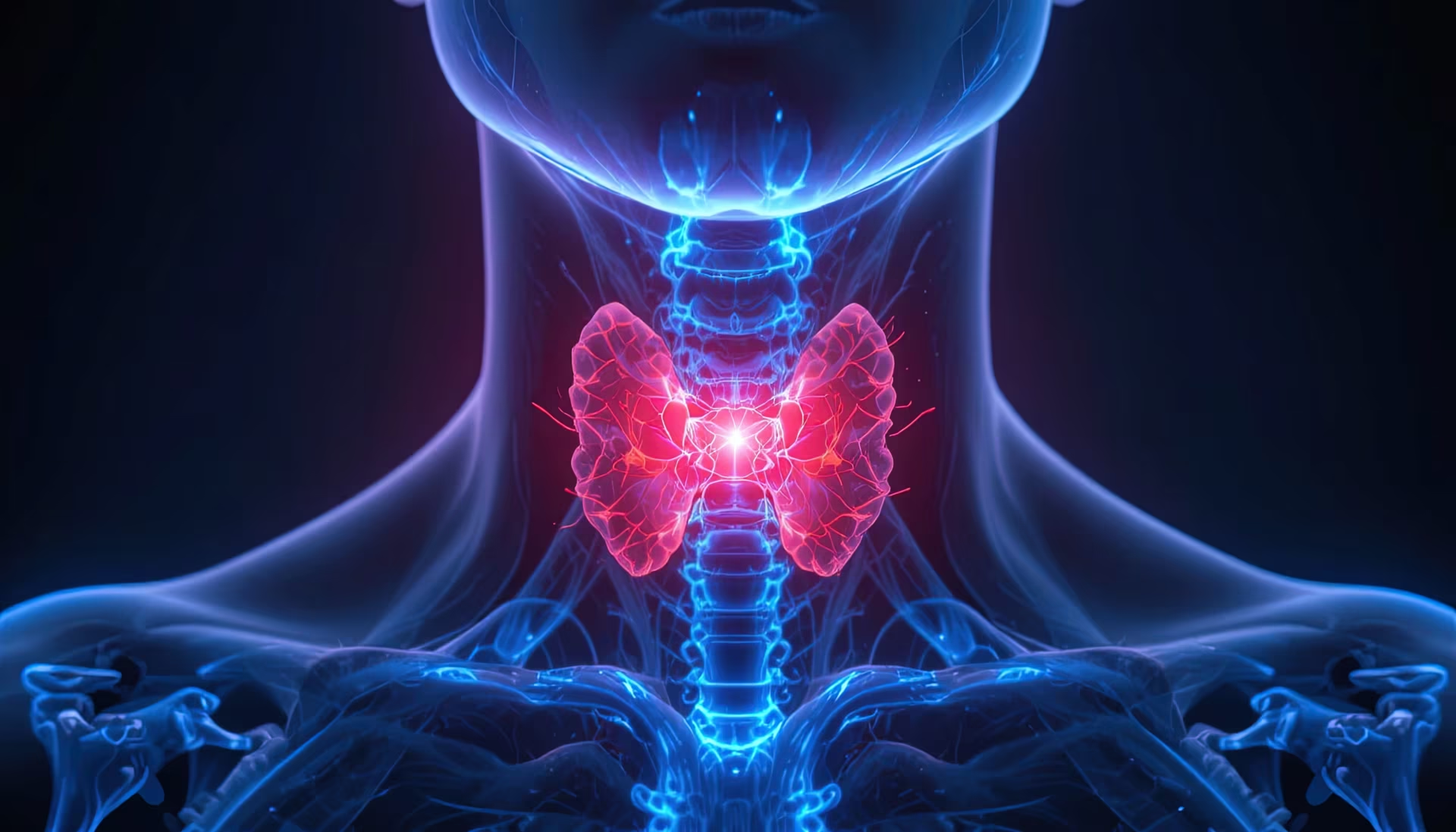
Hypothyroidism, defined as a state of deficient thyroid hormone production characterized biochemically by elevated thyroid-stimulating hormone with low or inappropriately normal circulating thyroxine, is a common endocrine disorder affecting 4–5% of the population of the USA.1,2 Pericardial effusion occurs in 30–80% of ...
Cardiovascular care continues to evolve in response to increasingly complex clinical realities, where advances in intervention, electrophysiology and population health must be integrated with a more critical appraisal of long-held assumptions. Across disciplines, there is a growing recognition that improving ...
After decades of debate, patent foramen ovale (PFO) closure is now a well-established strategy to reduce recurrent stroke in patients aged 18–60 years who have had a PFO-associated stroke.1 Patients who underwent PFO closure continue to have a higher stroke risk ...

Cardiovascular medicine continues to advance at a remarkable pace, driven by innovation, interdisciplinary collaboration and an ever-deepening understanding of disease mechanisms. As patient populations age and chronic conditions become increasingly complex, the field stands at the intersection of precision therapy, ...
Cardiovascular medicine stands at a pivotal crossroads—shaped by rapid advances in precision therapies, a deepening understanding of disease mechanisms, and an urgent imperative to address global health disparities. As the burden of cardiovascular disease continues to evolve, so too ...

Conduction system pacing (CSP) is being increasingly adopted as a more physiological alternative to right ventricular and biventricular pacing and is an integral part of the European Heart Rhythm Association (EHRA) core curriculum for the device specialist.1–6 Left bundle branch ...
Welcome to this issue of Heart International. As ever, we aim to provide our readers with the latest developments, insights, and evidence-based discussions in cardiovascular care. This edition is particularly poignant, as we begin with a heartfelt tribute to an ...

Forty-seven years ago, Andreas Gruentzig introduced ‘percutaneous transluminal coronary angioplasty’ (PTCA) as a new approach to treating symptomatic occlusive coronary artery disease.1 The mechanism of balloon angioplasty (BA) formed the foundation around which newer equipment and technologies were developed, including ...

Tricuspid regurgitation (TR) is a frequent finding on echocardiography, with detection rates reaching up to 86% across the different ranges of severity, with moderate or greater TR being reported in at least 6–8% of patients.1–3 The prevalence of TR increases with age, ...

Cardiovascular diseases are the most common cause of mortality and morbidity in adults worldwide.1 Coronary angiography (CAG) is the gold standard method for evaluating atherosclerotic coronary artery disease (CAD).2 It is conventionally performed via the trans-femoral (TF) route. Recently, however, ...

We are sorry to announce the death of one of our valued editorial board members, Dr Richard Heuser (November 17, 1950–May 23, 2024). Richard R Heuser, MD, FACC, FACP, FESC, MSCAI, was an internationally recognized cardiologist, inventor, educator and author, and was a ...
Log into your Touch Account
Keep track of your clinical interests and newsletter subscriptions.
Sign up with an Email
Or use a .
Register now for FREE access
Already registered? Login below.
