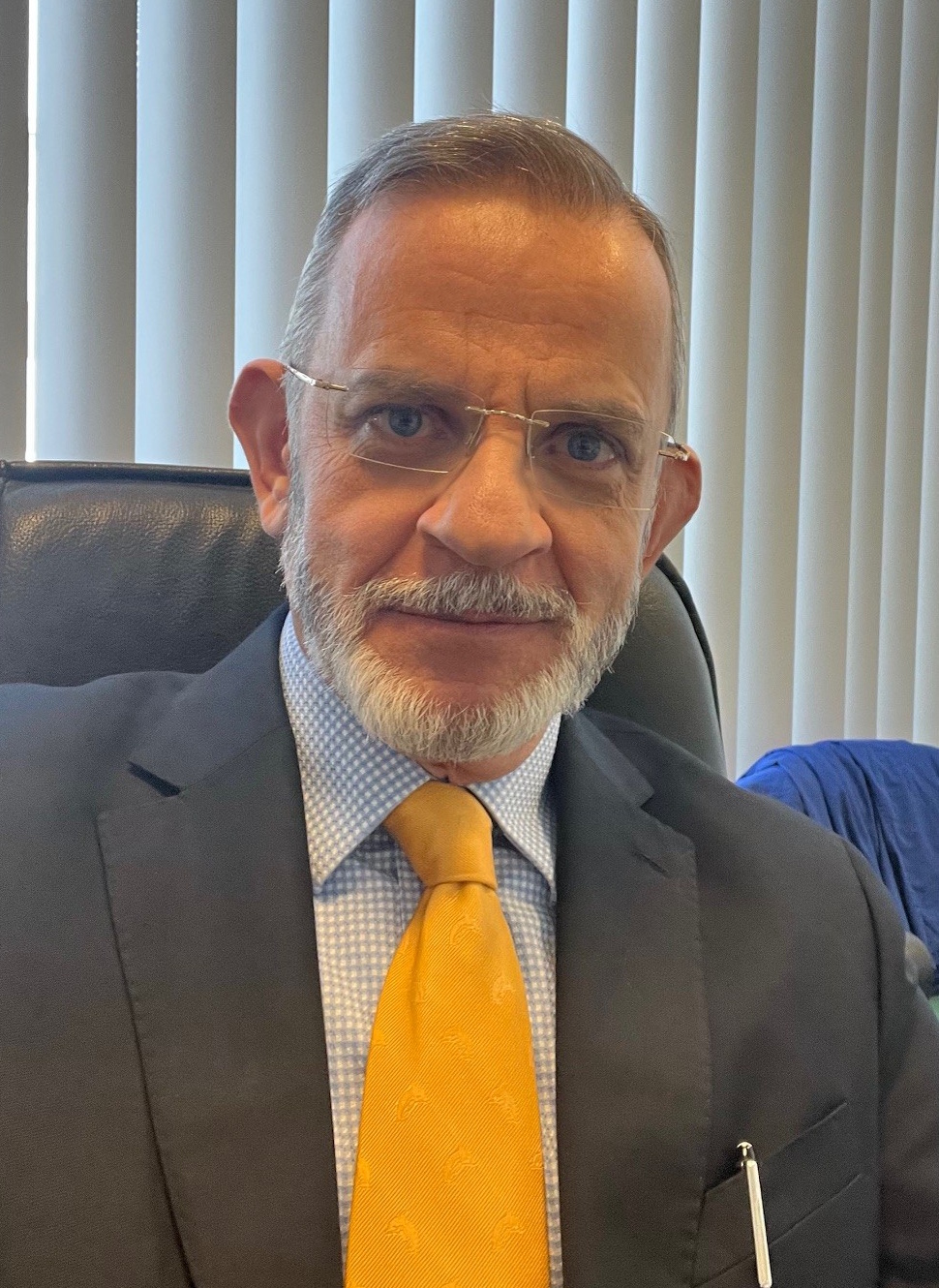
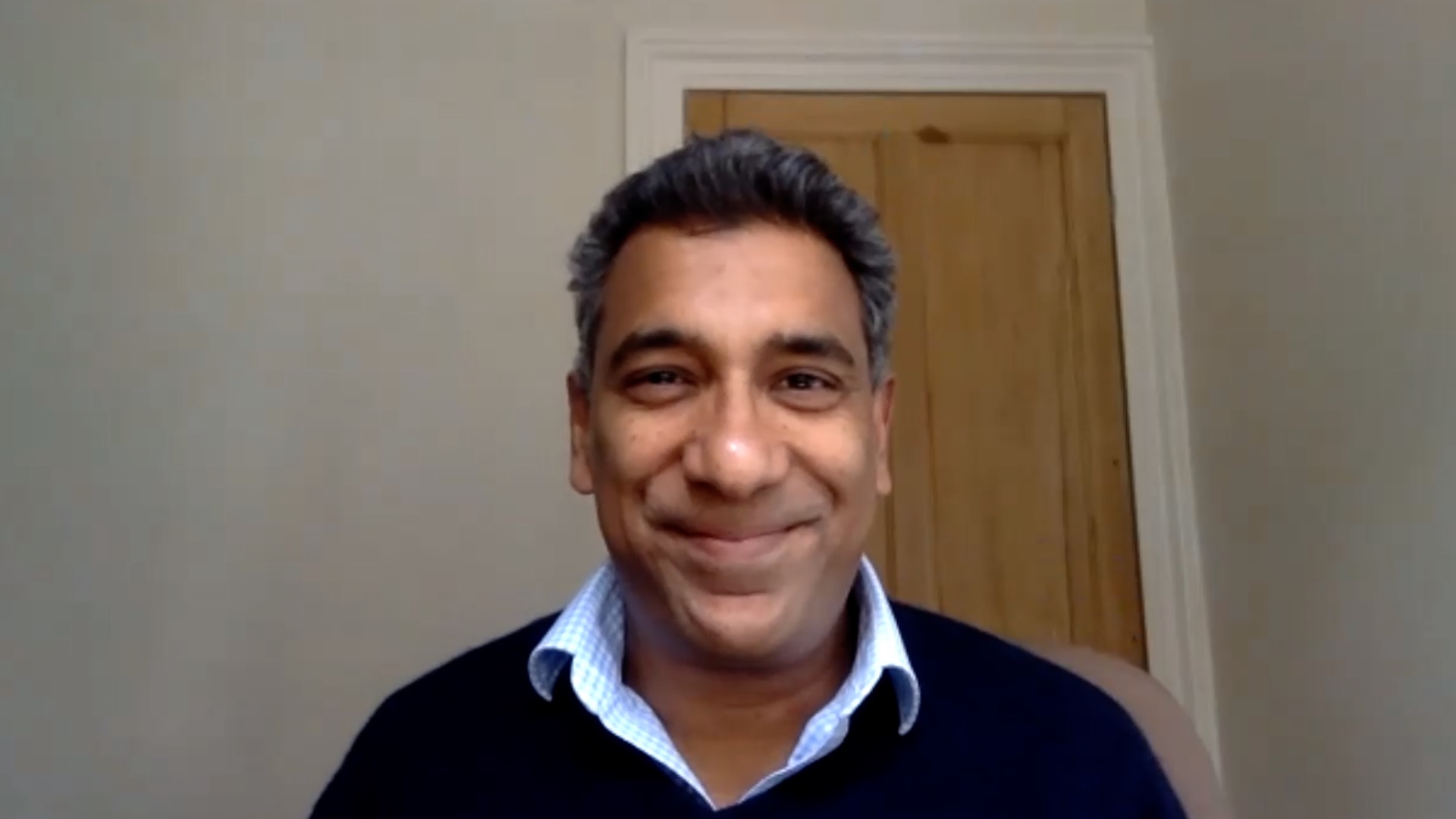
We are delighted to feature Dr Alfredo Caturano as a touchCARDIO Future Leader 2026, recognized as an emerging leader in internal medicine.
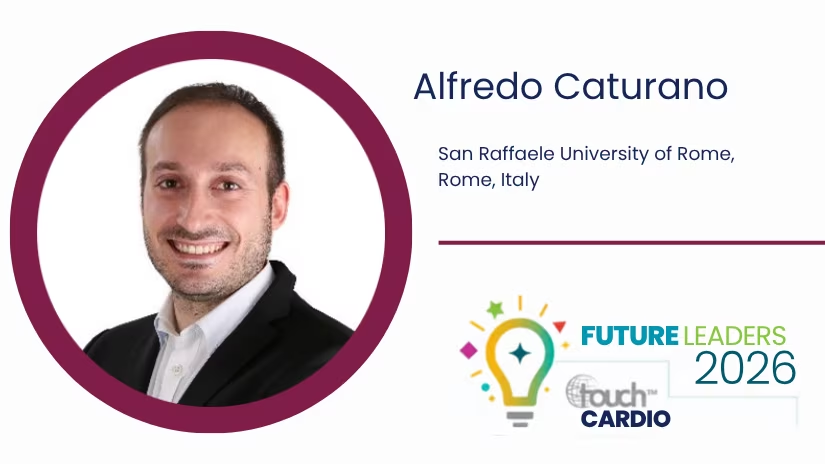
We are delighted to feature Dr Alfredo Caturano as part of our touchCARDIO Future Leaders series, 2026. Dr Alfredo Caturano is an Assistant Professor of Internal Medicine at San Raffaele Roma University in Rome, Italy, whose clinical and research interests focus on the intersection of cardiovascular and metabolic disease. Dr Caturano trained in Medicine and Surgery at the Second University of Naples before completing his specialisation in Internal Medicine at the University of Campania “Luigi Vanvitelli” and a PhD in Clinical and Experimental Medicine, earning the distinction of Doctor Europaeus. His research focuses particularly on diabetes and its cardiovascular complications, cardiometabolic disease and metabolic dysfunction-associated steatotic liver disease (MASLD).
Dr Caturano is also a member of the European Association for the Study of Diabetes (EASD) Early Career Academy and serves as a Regional Councillor for Campania-Basilicata within the Italian Society of Diabetology. His work has explored the links between glycaemic control, cardiovascular outcomes, diabetes and liver disease, with a focus on developing more integrated approaches to cardiometabolic care.
In this interview, Dr Caturano discusses his journey in internal medicine and cardiometabolic research, the experiences that have shaped his career, the evolving relationship between diabetes and cardiovascular disease, and his vision for advancing personalised and integrated approaches to the prevention and management of cardiometabolic disease.
New insights are added regularly, covering a broad range of subspecialties and evolving clinical scenarios. Sign up below for Free Access to the latest clinical updates in your specialty!
What inspired you to pursue a career in cardiology?
My interest in cardiovascular medicine began in 2014, when I was a fifth-year medical student and became fascinated by Brugada syndrome. That interest led me, together with Professor Vincenzo Russo, to help establish the IBRYD (Italian Brugada Syndrome) registry on drug-induced type 1 Brugada ECG patterns. It was my first experience of how a clinical question could grow into a sustained, collaborative research effort.
During my training in Internal Medicine, I became increasingly drawn to another major cardiovascular challenge: the risk associated with diabetes, obesity and metabolic dysfunction. These conditions are deeply connected, yet their effects differ greatly from one patient to another. Understanding those differences, and translating that knowledge into better prevention and treatment, has become the main focus of my work. I approach cardiovascular medicine as an internist, with particular attention to the links between metabolism and the heart.
Can you tell us about a mentor who has had a significant impact on your career?
I have been fortunate to learn from three mentors who shaped different stages of my career. Professor Vincenzo Russo shared my early interest in Brugada syndrome. Creating the IBRYD registry together taught me how to turn a clinical question into a sustained research collaboration, and we continue to work on it today.
Professor Ferdinando Carlo Sasso guided me throughout my training in Internal Medicine and my PhD. He had a profound influence on the way I think as a physician and researcher, helping me develop my interest in diabetes and cardiovascular disease and teaching me to pursue clinically meaningful questions with scientific rigour.
Professor Caterina Conte welcomed me into her group, giving me the opportunity to continue my academic career at San Raffaele Roma University as an Assistant Professor of Internal Medicine. She broadened my research interests to include obesity and helped me appreciate its central role in cardiometabolic disease. Her tireless commitment to her work, and the recognition she has earned nationally and internationally, continue to inspire me.
What have been the most significant challenges in your journey so far, and how have you overcome them?
The greatest challenge is one I face every day in research: pursuing a question without knowing whether the idea behind it will prove right, or whether the work will lead to a clear answer at all. It takes persistence to question your assumptions and follow the evidence even when it leads somewhere unexpected. Yet that uncertainty is also what I find most compelling. At times, research feels like navigating through fog: you cannot see the whole route ahead, but careful work, collaboration and curiosity help you find the next point on the map. Even when a study does not confirm the original idea, it can tell us something valuable about the limits of our knowledge.
What current development or trend in your specialty excites you the most?
I am particularly excited by our growing understanding of cardiometabolic disease as an interconnected process. Studying the links between adipose tissue, diabetes and the heart may reveal new biological pathways that we can target to prevent cardiovascular disease. At the same time, treatments first developed for diabetes and obesity are changing cardiovascular care for a much broader group of patients. These advances are remarkable, but reducing cardiovascular risk remains difficult, and many patients still face substantial risk despite effective treatment. That is what motivates me: understanding why risk persists, finding new ways to address it and identifying which approach is most useful for each patient. There is still a great deal to discover, but I believe we are moving in the right direction towards better care for the people who depend on us.
touchCARDIO is celebrating the brightest rising stars in the cardiology community, who are set to shape the future of the field.
See the full list of touchCARDIO Future Leaders 2026 winners here.
More content in cardiovascular disease
Cite: Dr Alfredo Caturano on Brugada syndrome and cardometabolic disease: touchCARDIO Future Leader 2026. touchCARDIO. October 2026.
Disclosures: This short article was prepared by touchCARDIO in collaboration with Dr Alfredo Caturano. No fees or funding were associated with its publication.
Editor: Heather Hall, Managing Editor