It is my pleasure to introduce the second issue of the 2026 volume of Heart International, which brings together a letter, a commentary, two narrative reviews, two systematic reviews, an original research article, and a case report. Together, these articles reflect the breadth of contemporary cardiovascular medicine, from arrhythmia mechanisms and rare disease therapeutics to digital health and imaging.
The issue opens with a letter from Aysha Hashmi responding to a recent article on the mechanisms that sustain ventricular fibrillation. The letter welcomes the move away from a rigid debate between competing hypotheses but questions how mechanistic phenotyping could be recognized in real time during cardiac arrest, and how far findings from experimental models translate to patients with structural heart disease.
In heart failure, Erica J Carrier and James D West discuss the US Food and Drug Administration Fast Track designation granted to ifetroban for cardiomyopathy in Duchenne muscular dystrophy, placing it within the wider regulatory pathways available for rare, serious conditions. Aditya John Binu then reviews the diagnosis of iron deficiency in heart failure, appraising established and emerging biomarkers and considering whether definitions based on transferrin saturation may better reflect biologically relevant iron deficiency than those based on ferritin.
Adam Ioannou examines how earlier diagnosis and effective disease-modifying therapies have changed the patients enrolled in clinical trials of transthyretin amyloid cardiomyopathy. The review considers the implications for trial design, including sample size, follow-up and endpoints, and outlines how ongoing studies aim to address amyloid removal, deeper transthyretin suppression, combination therapy and prevention.
Two systematic reviews follow. Tchana Bertrand and colleagues synthesize qualitative and mixed-methods evidence on how families experience pediatric congenital heart disease, proposing a conceptual model that links psychosocial adaptation, healthcare interactions and long-term care transitions. Faris F Halaseh and colleagues review published cases of cardiac tamponade secondary to hypothyroidism, describing an atypical presentation that should prompt clinicians to consider thyroid function testing.
In original research, Madhur Verma and colleagues compare an artificial intelligence-enabled mobile phone application with standard devices for measuring heart rate, blood pressure and oxygen saturation in 366 adults in North India. The authors report encouraging agreement for heart rate and blood pressure but weaker performance for oxygen saturation, and they emphasize the need for further multicenter validation before clinical use.
Finally, Mahima Tyagi and colleagues present a case of infective endocarditis complicated by a left ventricular abscess and pseudoaneurysm, illustrating the complementary roles of echocardiography, cardiovascular magnetic resonance and computed tomography angiography in diagnosis and surgical planning.
On behalf of the editorial team, I extend our sincere thanks to the authors, peer reviewers and wider scientific community for their contributions. We hope this issue provides meaningful insights and supports continued progress in clinical research and patient care.
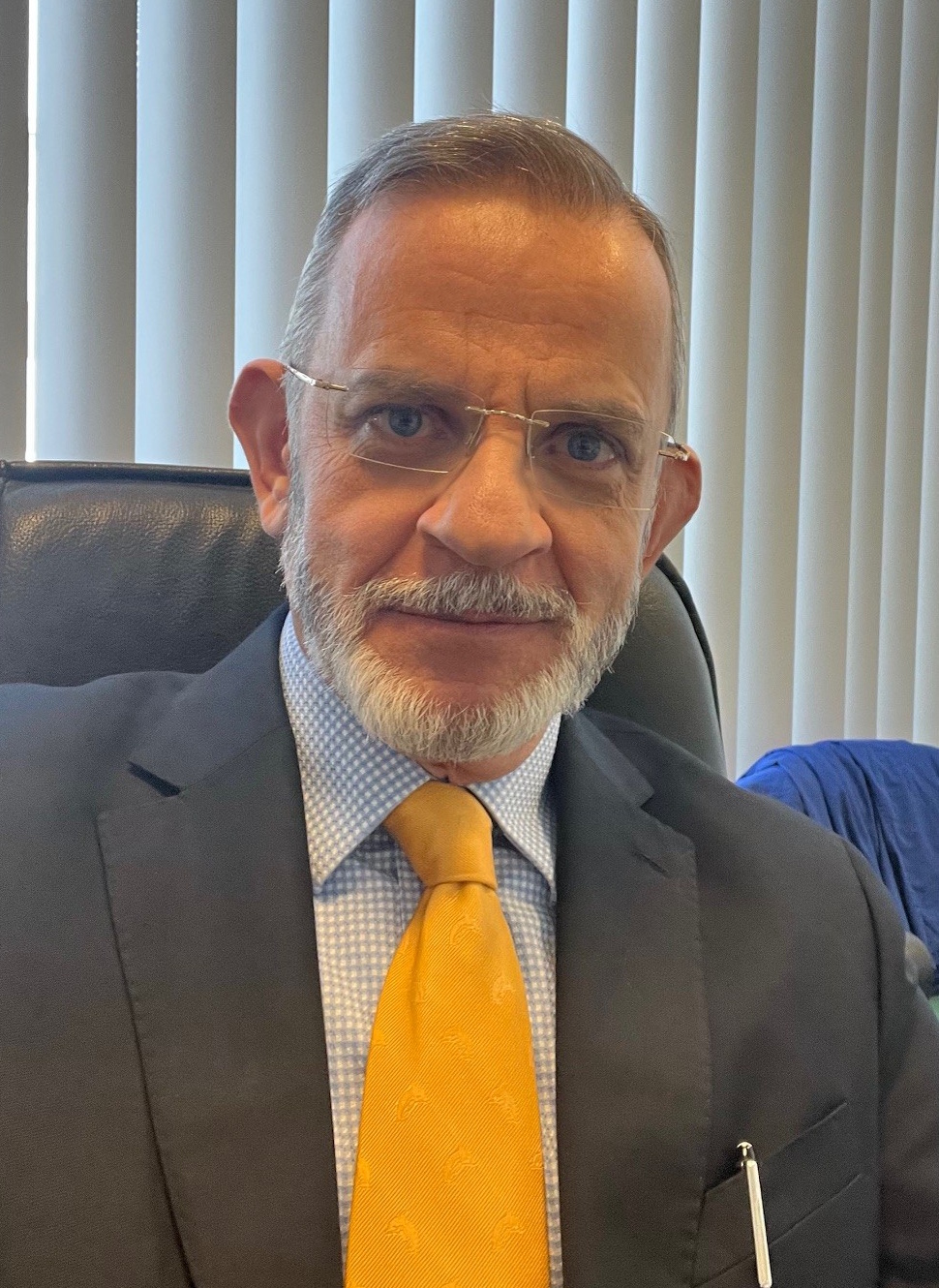
Magdi El-Omar
Dr Magdi El-Omar is a consultant interventional cardiologist at the Manchester Heart Centre and an honorary senior lecturer at the University of Manchester, Manchester, UK. He graduated from St Bartholomew’s Hospital, London, UK, in 1988 and undertook his postgraduate general medical training in London and Oxford. He then completed his general cardiology training in Birmingham, Oxford and Wales before subspecializing in coronary intervention. The latter included a 2.5-year clinical/research fellowship in interventional cardiology at the Cardiovascular Research Foundation and the New York University Medical Centre, New York, NY, USA. During his time there, he worked closely with leaders in the field, including doctors Greg Stone, Martin Leon, Gary Roubin, Frederick Feit and Aaron Marcus. Dr El-Omar has been involved in research for over 25 years. He undertook a 2-year British Heart Foundation Junior Research Fellowship in basic science (diabetic cardiomyopathy in a rat model) in 1997–8, which led to the award of an MD degree from the University of London. He has since been actively involved in clinical research, especially in the fields of acute coronary syndromes and coronary intervention. He has authored more than 70 peer-reviewed articles, mostly in high-impact journals. He has been a local principal investigator for several landmark, international, multicentre trials (e.g. HORIZONS-AMI, INFUSE-AMI, TOTAL, TWILIGHT, etc.). He is actively involved in education and training and is a course co-director of the International Complex Cardiovascular Catheter Therapeutics Conference in the USA.