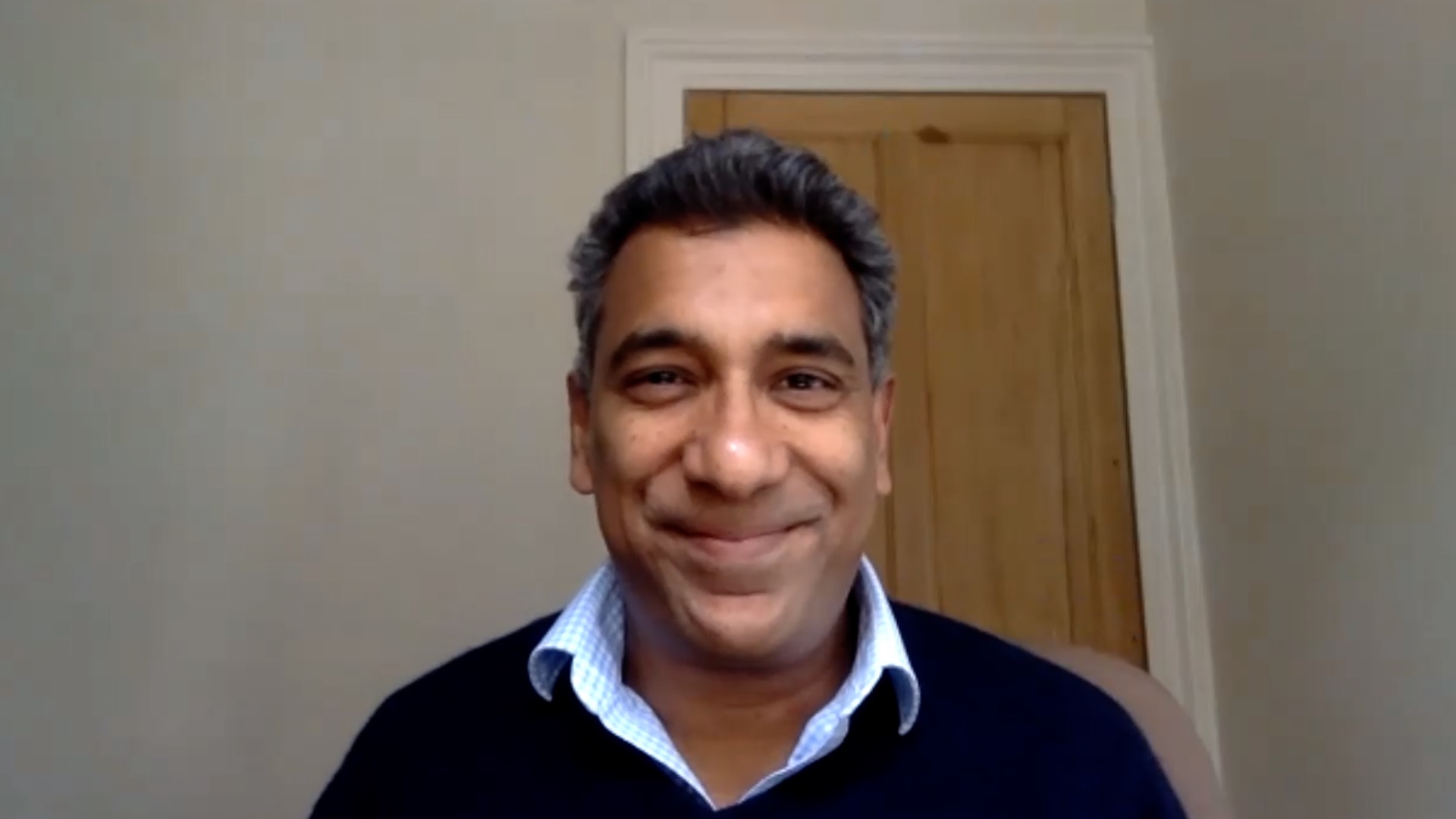
We are delighted to feature Dr Ushasi Saraswati as a touchCARDIO Future Leader 2026, recognized as an emerging leader in clinical cardiology.
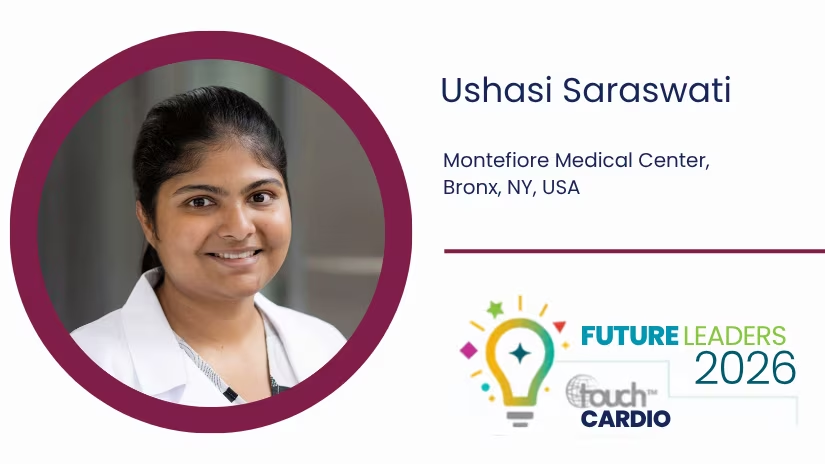
As part of the touchCARDIO Future Leader 2026 series, we are delighted to feature Dr Ushasi Saraswati of Montefiore Medical Center, The Bronx, NY, USA. Dr Saraswati is a physician specialising in cardiovascular medicine and a cardiovascular disease fellow at Montefiore Medical Center and the Albert Einstein College of Medicine. She completed her internal medicine residency at Cleveland Clinic and is developing expertise in the diagnosis and management of a broad range of cardiovascular conditions. Dr Saraswati’s clinical and research interests include cardiovascular imaging, pericardial diseases, and complex inflammatory cardiac conditions, particularly recurrent pericarditis. Her research explores treatment strategies for recurrent pericarditis, including the use of biologic therapies, and the diagnosis and management of challenging cardiovascular disorders. She has contributed to research published in leading cardiovascular journals, including JACC: Advances, JAMA Cardiology, Circulation and Heart, reflecting her commitment to advancing cardiovascular knowledge and improving patient care.
In this interview, Dr Saraswati reflects on the experiences and values that have shaped her journey in cardiology, from the intellectual challenges that first sparked her interest to the mentors who influenced her approach to medicine. She also shares a particularly meaningful patient story that highlights the importance of trust, clear communication and compassionate care when navigating complex diagnoses. Her reflections offer insight into what it means to be a future leader in cardiovascular medicine, demonstrating that progress in the field depends not only on scientific discovery and technical skill, but also on the ability to connect with patients and guide them through some of the most challenging moments of their lives.
New insights are added regularly, covering a broad range of subspecialties and evolving clinical scenarios. Sign up below for Free Access to the latest clinical updates in your specialty!
What inspired you to pursue a career in cardiology?
Since I was a child, I have been interested in the human body and in the constant interaction of the physiological mechanisms that enable it to work. In medical school, my interest was especially focused on cardiovascular physiology because the complexity of hemodynamics and electrophysiology caught my attention. The more I became involved clinically in cardiology, the more I came to value not only the intellectual complexity of the subject, but also its great effect on patients. Cardiovascular disease affects people from all walks of life and is one of the main causes of illness and death around the world. At the same time, I was impressed by the speed at which the field is developing, as continuous research is leading to a challenge of existing theories and tackling open questions to improve patient care. It was actually the elegance and complexity of cardiovascular physiology that first attracted me to cardiology. But it was the investigative attitude of the doctors I met—their dedication to posing difficult questions, to critically assessing the evidence, and to constantly turning new discoveries into better patient care—that made me decide to build a career in the field. I hope to maintain that same sense of curiosity and evidence-based approach and to make a contribution to the progress of the field myself.
Who has been the most significant mentor or role model for you, and what did you learn from them?
I was lucky enough to study under several mentors during my training, each of them contributing in their own way to the person I am today as a doctor. Two of them have left a particularly strong impression on me: Dr Klarich and Dr Klein.
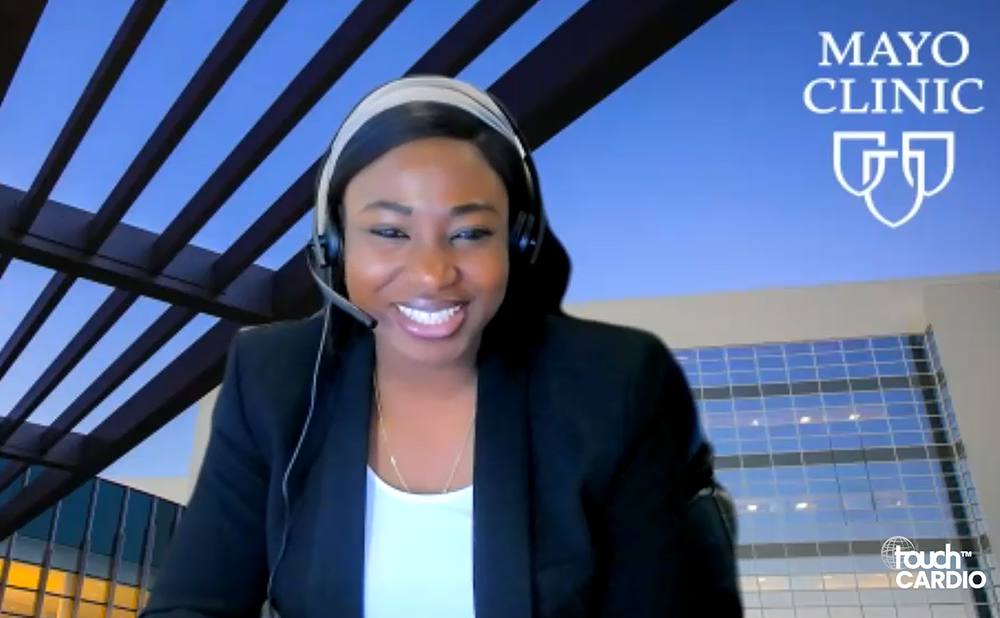
Dr Klarich was my research supervisor when I was doing my year in Cardiovascular Imaging at the Mayo Clinic. Even with all the duties she had, she always found time for a new student from a different country, answering our questions with patience and showing true enthusiasm for teaching. The respect and admiration that she gained from both her colleagues and the trainees demonstrated to me that it is entirely possible for both excellence and humility to coexist.
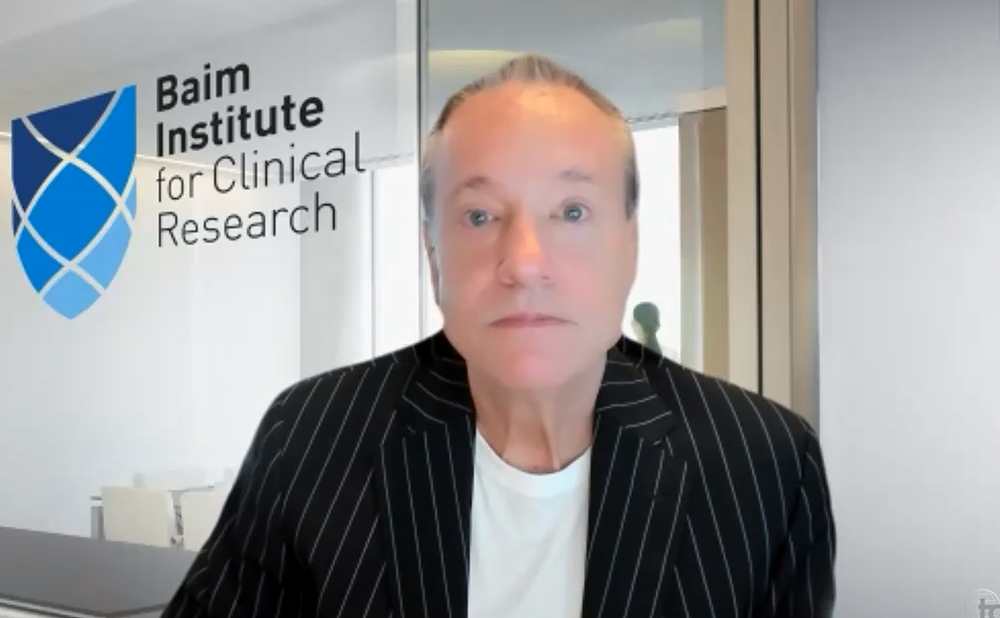
While I was in residency at the Cleveland Clinic, I had the chance to work very closely with Dr Klein in his pericardial clinic. He has made outstanding contributions to the field of cardiac echocardiography, yet he remained exceptionally approachable, frequently sitting with me to go through echocardiograms carefully, one step at a time. The aspect that struck me most, though, was his devotion to his patients. He would see them in the clinic, personally examine their imaging, and then go back to them later to explain the diagnosis and answer their questions. For patients who had come to a tertiary center with complicated, and often frightening, diagnoses, this kind of commitment gave them not only expert care, but also reassurance and a sense of closure.
From both mentors, I have learned that technical expertise is only one element of what it means to be an outstanding physician. It was their strong work ethic, their humility, their dedication to teaching, and their real commitment to their patients that showed me how I would like to conduct myself in my own career—and served as a reminder that medicine should always be approached with curiosity and a readiness to keep learning.
What has been the most rewarding moment in your journey so far?
One patient who has stayed with me throughout my fellowship journey is a 40-year- woman. She initially came to the emergency room with a shortness of breath and swelling in her legs. A point-of-care ultrasound showed that her heart was not pumping well, with a reduced ejection fraction. We diagnosed her with onset heart failure and began guideline-directed medical therapy right away.
Her story didn’t end there. Her condition took a turn for the worse. She developed a clot at the top of her ventricle, known as an LV apical thrombus. That led to a stroke. We did a CT angiography to look for blocked arteries, but it showed nothing abnormal. Then we did an MRI, which raised concern for cardiac sarcoidosis. A PET scan later confirmed it. Now she is on treatment for sarcoidosis and is starting to feel better, which is a true relief.
What makes this patient especially meaningful to me is not just the complexity of what she went through, it’s how she always looked for me when she was admitted even though I wasn’t the one managing her care during those times. I took the time to sit with her and explain what we knew, what we were still trying to figure out and what the next steps would be. That moment helped build a bond based on trust and understanding. It reminded me that patients may not remember every medication or every test we order – they do remember the physician who helped them make sense of a confusing and scary situation. That has been one of the rewarding parts of my fellowship; it taught me that sometimes giving a patient a plan and a sense of direction can be just as important as the diagnosis or the treatment itself.
touchCARDIO is celebrating the brightest rising stars in the cardiology community, who are set to shape the future of the field.
See the full list of touchCARDIO Future Leaders 2026 winners here.
More content in interventional cardiology
Cite: Dr Ushasi Saraswati on clinical cardiology and the human connection: touchCARDIO Future Leader 2026. touchCARDIO. October 2026.
Disclosures: This short article was prepared by touchCARDIO in collaboration with Dr Ushasi Saraswati. No fees or funding were associated with its publication.
Editor: Heather Hall, Managing Editor