
Patients with complex coronary artery disease (CAD) may undergo successful procedural or surgical management, yet their long-term prognosis is strongly influenced by modifiable factors such as nicotine exposure, dietary patterns, physical activity and psychosocial determinants of health. For clinicians, the challenge extends beyond knowing what lifestyle interventions to recommend; it also involves determining which priorities will deliver the greatest clinical impact for an individual patient and communicating those recommendations in ways that are clear, practical and sustainable, particularly in an era of widespread and often conflicting health information.
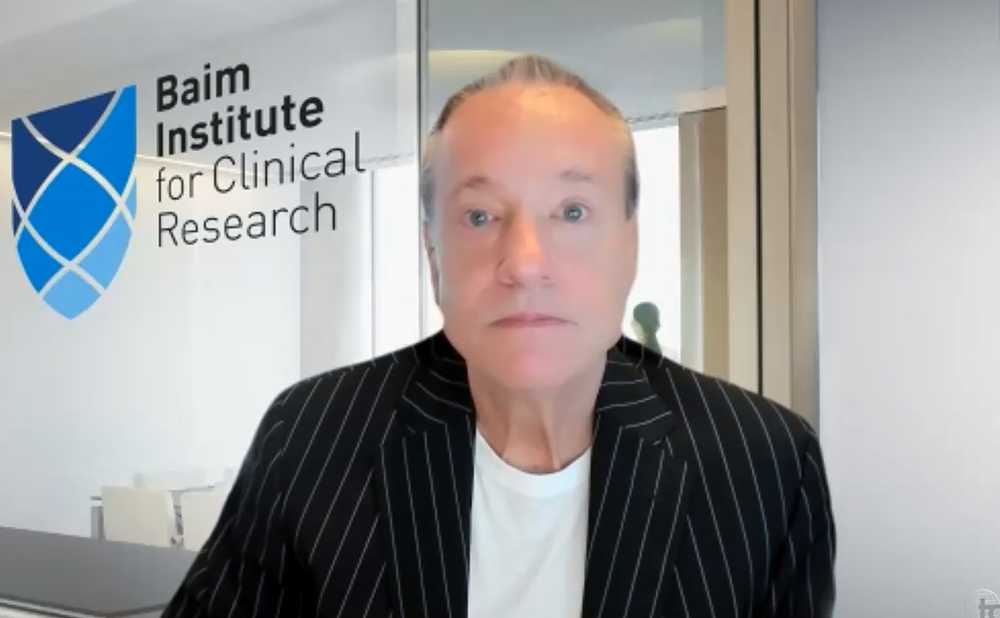
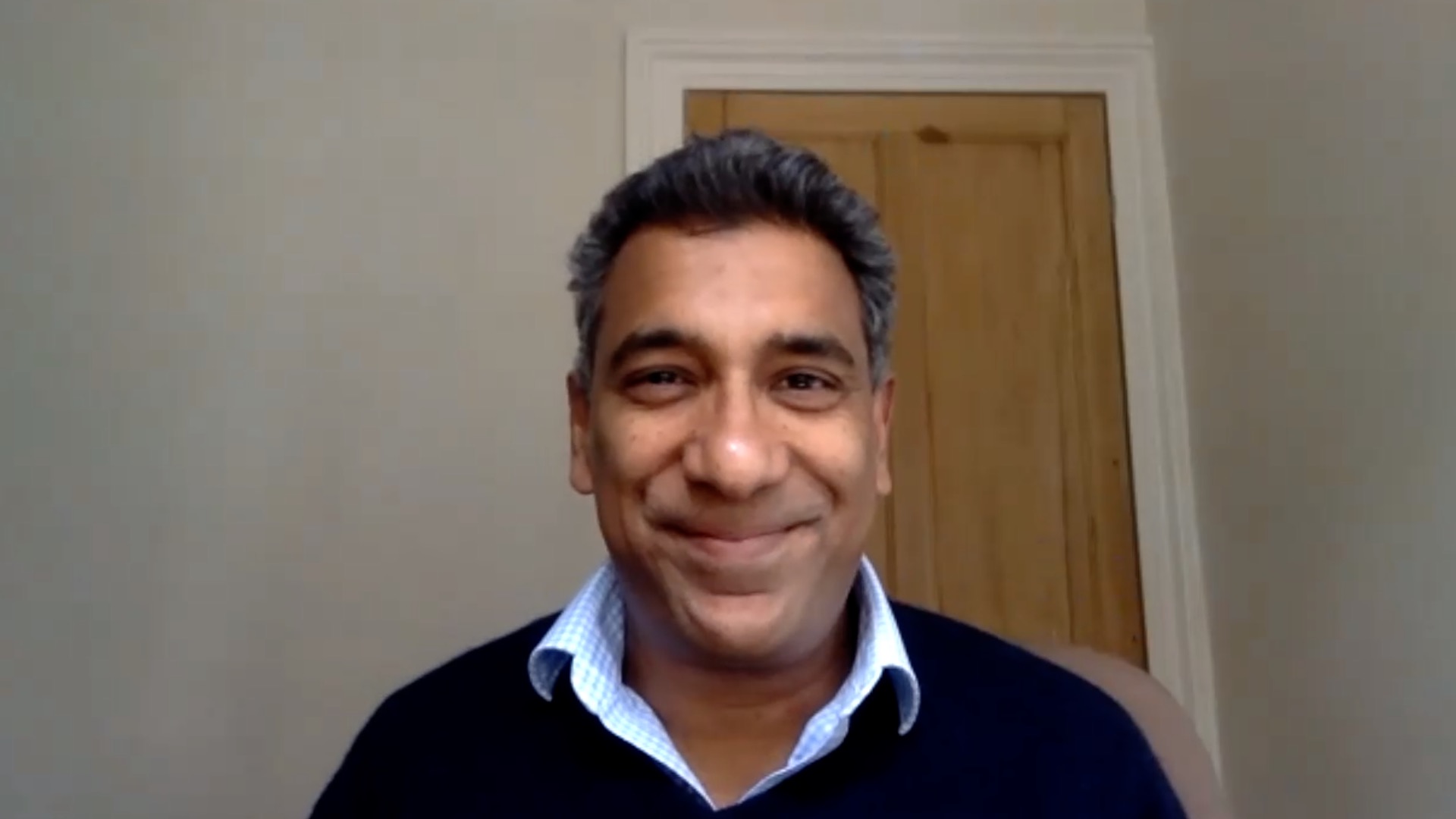
As part of our InRhythm series, we interviewed Dr Arasi Maran (Medical University of South Carolina, Charleston, SC, USA) about practical approaches to integrating lifestyle “therapies” into the management of complex CAD. Dr Maran also discusses communicating recommendations effectively, using imaging findings to reinforce behaviour change, guiding patients toward reliable health information and re-engaging patients who struggle with adherence through structured, patient-centred strategies.
Read our Q&A with Dr Arasi Maran below.
Q. How do you identify and prioritize the lifestyle changes that have the greatest clinical impact for patients and complex CAD?
I usually use a risk stratification framework to individualize lifestyle priorities rather than apply a one-size-fits-all approach. If you look at the 2023 ACC/AHA Chronic Coronary Artery Disease guidelines, the instructions are very explicit.1 The guidelines are very clear – smoking cessation delivers the single largest mortality benefit, and it is always addressed first. Smoking has now evolved into tobacco abuse or nicotine abuse, and it can be in the form of vaping as well. Irrespective of whether it is dyslipidaemia or hypertension, smoking cessation is extremely important. This also shifts the conversation from prevention to disease management.
Following smoking cessation, if the patient is not a nicotine abuser, the next most important thing is a dietary pattern. I’m not going to advise going on a diet, but shift the patient’s mindset around food to focus on a Mediterranean diet, including lots of healthy fats and proteins, and avoiding ultra processed food. Number three would be physical activity, not just going for a walk, but more structured physical activity, either initiation of cardiac rehab, getting a personal trainer or a group lesson to structure training. I don’t look at these as lifestyle changes, but more like therapies with measurable effects.
Q. What practical approaches help cardiologists communicate lifestyle recommendations in ways that patients understand, remember, and act on?
The evidence on health communication is very clear; complexity kills compliance. Don’t give too much information and overwhelm the patient. I follow 3 principles: simplify, personalize, and repeat. Instead of handing patients a generic diet sheet and advising that they need to follow it, give them one or two actionable targets for that visit. The American Heart Association has the “Life’s Essential 8” framework, which is very useful. It gives patients a concrete scorecard they can track.2
I also leverage teach-back methodology; I have the patient explain whatever I’ve said back to me, which significantly improves retention. I try to connect lifestyle changes to mechanisms patients can visualize, i.e., showing them the plaque and calcium on their angiogram and intravascular imaging, as this highlights how severe the disease is. I deal with chronic total occlusion and very severe calcific coronary artery disease, where showing patients their disease burden helps them adhere to what advice I’m giving them. Again, reiterate that a Mediterranean diet actively reduces inflammatory plaque, as this lands very differently than generic “eat healthy” advice. I try to help move my patients from ambivalence to action, without triggering defensiveness.
Q. How do you use procedural or intravascular imaging findings to reinforce lifestyle messages and enhance patient motivation?
Some cases of severe coronary artery disease are too complex for complete treatment by interventional cardiology. For these patients, I show them their angiogram and explain that the stent has fixed the severe blockage in this part of the blood vessel, but that there are still small blood vessels with severe disease. That’s when lifestyle modification (dietary changes, exercising, smoking cessation) is going to help and a visual representation to create intrinsic motivation is very important.
Q. What strategies are most effective for helping patients navigate and trust reliable information amid overwhelming and conflicting online health content?
This is why I started my own podcast, Infinite Health, because everyone is drowning in content, and there are so many influencers promoting unproven supplements and social media is amplifying anecdotes over evidence.3 I try to be a curator rather than a prescriber sometimes, and I explicitly acknowledge the noise during consultation. I specifically tell patients that they will find a lot of conflicting information and I redirect them to reliable sources, including ACC CardioSmart, AHA patient resources, and other evidence-based platforms.4,5
Explain the hierarchy of the available evidence in accessible terms, for example the difference between a randomized controlled trial and a testimonial. Try to use scientific reasoning, not just giving answers, but also showing how you weigh the evidence. At the same time, explain your take but reiterate that they are free to use their own judgment; patients have to find the pathway that is suitable for them.
Q. When patients repeatedly struggle with adherence, what structured re-engagement approaches have you found most successful in restoring momentum?
Let’s reframe non-adherence, it’s rarely a motivation problem; everybody wants to be healthy. It’s usually a systems problem, a social determinant problem, or an unaddressed psychological barrier. The 2023 ACC/AHA guidelines explicitly called out social determinants of health as modifiable cardiovascular risk factors, so we should screen for them.1 When a patient repeatedly misses targets, do a structured reset visit. No judgment, no reiteration of what they already know, instead ask what got in the way? What is the one thing that would be the easiest to change? Research on habit formation and behaviour changes includes working on a person as a whole. You want to build self-efficacy rather than set ambitious goals, which are not achievable.
For high-risk patients, you can leverage structured touch points, scheduled check-ins, remote monitoring, and sometimes use team-based care involving pharmacy and nutrition, because we alone cannot be enough. We have to have a team pulling in the patient’s primary care providers, for example to help with follow-up and to think about alternate therapies, including endocrinologists for GLP-1 therapies. With that, I’m able to achieve better outcomes for my patients.
References
- Joglar JA, Chung MK, Armbruster AL, et al. 2023 ACC/AHA/ACCP/HRS Guideline for the Diagnosis and Management of Atrial Fibrillation: A Report of the American College of Cardiology/American Heart Association Joint Committee on Clinical Practice Guidelines. Circulation. 2023; 149. DOI: 10.1161/CIR.0000000000001193
- American Heart Association. Life’s Essential 8™. Available at: https://www.heart.org/en/healthy-living/healthy-lifestyle/lifes-essential-8 (accessed 3 March 2026).
- Infinite Health with Dr. Arasi Maran. Available at: https://open.spotify.com/show/4zC2UABx1SMZRGq8wn3mmW (accessed 3 March 2026).
- American College of Cardiology. CardioSmart. Available at: https://www.cardiosmart.org/ (accessed 3 March 2026).
- American Heart Association. Healthy Living. Available at: https://www.heart.org/en/healthy-living (accessed 3 March 2026).
InRhythm is our new, expert-led, practice pearls series delivering concise, actionable insights from leading experts in cardiology. Designed to help healthcare professionals stay current, it highlights real-world challenges, emerging evidence, and actionable strategies to enhance clinical practice, strengthen decision-making, and build confidence in an increasingly complex and fast-evolving field.
Cite: From evidence to action: Lifestyle management in complex CAD. touchCARDIO. August, 10. 2026.
Editor: Victoria Smith, Senior Content Editor.
Disclosures: This short article was prepared by touchCARDIO in collaboration with Dr Arasi Maran. Views expressed are the speaker’s own and do not necessarily reflect the views of Touch Medical Media. touchCARDIO utilize AI as an editorial tool (ChatGPT (GPT-4o) [Large language model]. https://chat.openai.com/chat.) The content was developed and edited by human editors. No fees or funding were associated with its publication.
Related content:

SIGN UP to touchCARDIOLOGY!
Join our global community today for access to thousands of peer-reviewed articles, expert insights and learn-on-the-go education across 150+ specialties, plus concise email updates and newsletters so you never miss out.