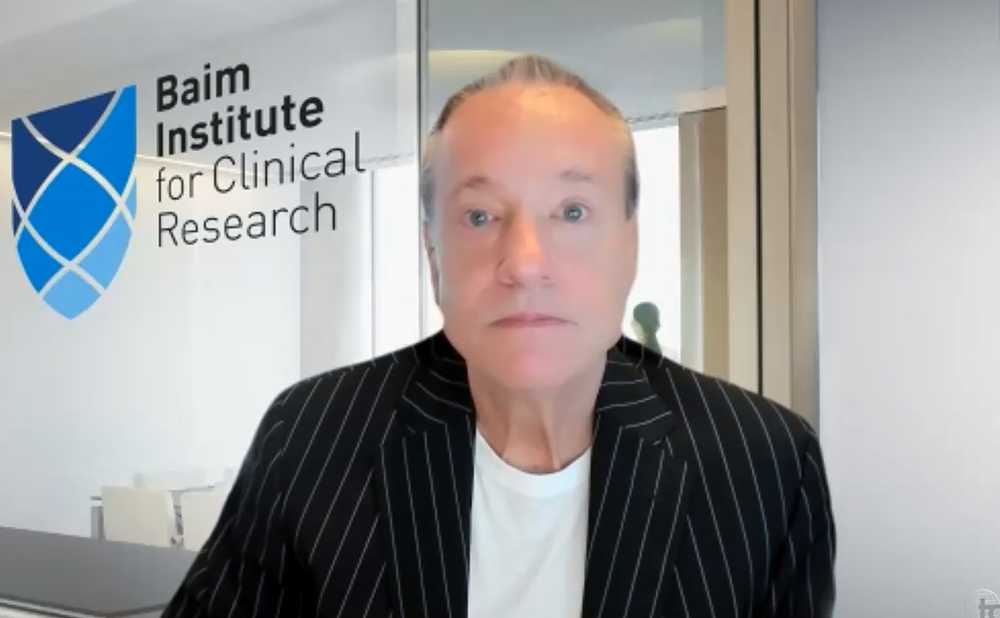
Phase III SHASTA-3 and SHASTA-4 results showed substantial and sustained triglyceride reductions with plozasiran, alongside fewer acute pancreatitis events.

Plozasiran reduced triglyceride levels by approximately 80% after 1 year in patients with severe hypertriglyceridemia, according to results from the phase III SHASTA-3 and SHASTA-4 trials presented at ESC Congress 2026.
Don’t miss out on hearing about our latest peer-reviewed articles, expert opinions, conference news, podcasts and more.
Severe hypertriglyceridemia is associated with an increased risk of acute pancreatitis, while currently available therapies may not adequately control triglyceride levels in some patients.
Plozasiran is an RNA interference therapy designed to reduce production of apolipoprotein C-III, a key regulator of triglyceride metabolism.
Across the two trials, 757 patients with triglyceride levels of at least 500 mg/dL were randomized to four quarterly subcutaneous injections of plozasiran 25 mg or placebo.
At month 12, median triglyceride levels were reduced by 79% in SHASTA-3 and 81% in SHASTA-4 with plozasiran, compared with reductions of approximately 27% with placebo in each trial.
Across both studies, cumulative acute pancreatitis events were reduced by 78% among patients receiving plozasiran compared with placebo.
Among patients with triglyceride levels above 880 mg/dL and a history of acute pancreatitis, treatment with plozasiran was associated with a 100% reduction in pancreatitis events compared with placebo.
Plozasiran was generally well tolerated, with treatment-related adverse events leading to discontinuation in 1.4% of patients receiving plozasiran and 0.8% receiving placebo.
The findings suggest that targeting APOC3 using RNA interference could provide a potent new therapeutic approach for patients with severe hypertriglyceridemia, particularly those at increased risk of acute pancreatitis.
Reference
Presentation: Gerald Watts, University of Western Australia, Perth, Australia. SHASTA-3/4 12-Month Results. Presented during Hot Line 9 at ESC Congress 2026; August 30, 2026; Munich, Germany.
Cite: Plozasiran reduces triglycerides by around 80% in severe hypertriglyceridemia. touchCARDIO. September 2, 2026.
Disclosure: This content has been developed independently by Touch Medical Media for touchCARDIO, utilizing AI as an editorial tool (Claude (Sonnet 5) [Large language model] https://claude.ai). No funding was received in the publication of this article.
Editor: Nicola Cartridge, Director of Content
touchCARDIO coverage of ESC Congress 2026: This content has been developed independently by Touch Medical Media for touchCARDIO. It is not affiliated with the ESC. Views expressed are the speaker’s own and do not necessarily reflect the views of Touch Medical Media.