 “…we definitely need… multidisciplinary teams, which we call psycho-cardio teams, integrating cardiovascular health professionals – nurses, cardiologists and other specialists – mental health professionals like psychologists and psychiatrists, and also general practitioners, social workers, rehabilitators… it will be impossible to face this change individually”
The intersection of cardiovascular disease and mental health has long been recognized but rarely addressed in a systematic way within cardiology practice. At ESC Congress 2025, this gap was placed firmly in the spotlight with the launch of a landmark consensus statement on integrating psychological care into cardiovascular medicine.1
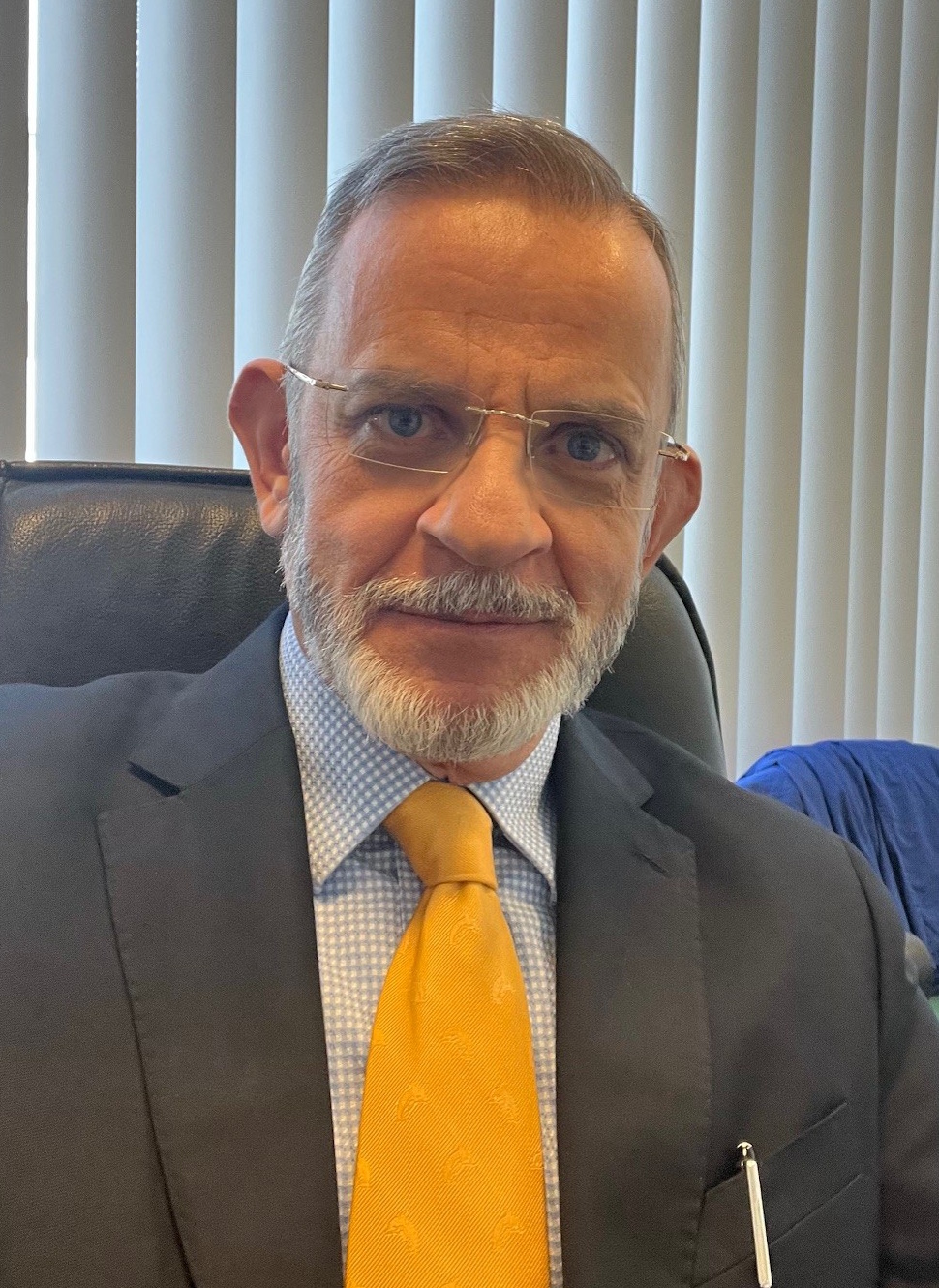
Dr Héctor Bueno (Hospital Universitario 12 de Octubre in Madrid and National Cardiovascular Research Center, Madrid, Spain), has been closely involved in this effort. In this interview, he discusses the urgent need to prioritize mental health in patients with cardiovascular diseases, the role of multidisciplinary “psycho-cardio” teams, and how structured screening and collaboration could reshape clinical practice, as well as future guidelines and research agendas.
Q. The consensus statement highlights the bidirectional relationship between mental health and cardiovascular disease. In your view, which clinical scenarios must urgently require integration of mental health assessment into cardiology practice?
Well, it is actually a multi-directional relationship, and it starts before disease. But I would say the urgency is among the patients with established cardiovascular disease – patients with heart failure, ischaemic heart disease and others. One out of three of these at least have depression or anxiety. Whether this is in the hospital, in specific units or outpatient offices will have to be decided by the team.
So these are probably the scenarios where this is much more needed. There are some where actually these have been tackled by the system, like cardiac rehabilitation, heart transplant or congenital heart disease units, but these are just exceptions – the wider population with cardiovascular disease do not have access to this approach. I think probably hospitals can be the first ones to set this priority. But I would say that, in absolute terms of magnitude, there is a major demand among outpatients. We need to see how in the outpatient setting, even in primary care, this approach can be integrated.
Q. Implementing psychological and psychiatric care and cardiology often faces resource and system level barriers. What practical steps or models of care does the statement recommend to help centres overcome these challenges?
Well, that is very true. The first recommendation we do is that we start working in teams. We definitely need multidisciplinary teams, which we call psycho-cardio teams, integrating cardiovascular health professionals – nurses, cardiologists and other specialists – mental health professionals like psychologists and psychiatrists, and also general practitioners, social workers, rehabilitators. It will be impossible to face this change individually by any of these specialties.
And the way is starting with systematic screening in all patients whenever possible. That may be challenging, but we propose to start with a very simple assessment, a two-item questionnaire like the Whooley questions, which actually can be done in 1 minute.2
And that can be done anywhere, whether it’s the nurse, the patients themselves, responding to a questionnaire while they are waiting for a visit, the doctor or the psychologist, will depend on the environment, the resources, facilities. So it’s up to the local professionals, the team members, to decide who, when and how to do it as suggested in the document.
Q. How do you see this consensus statement influencing future guidelines, and what research gaps still need to be addressed to strengthen the evidence based linking mental health interventions to improve cardiovascular outcomes?
Well, I definitely see that. From now on, I expect there will be a chapter on mental health in every single guideline in the ESC. I think that the courageous step that the ESC has done launching this consensus statement has to be followed by a specific approach to each disease, to each clinical scenario.
Of course, this is not a guideline. That is because there’s not enough evidence to make recommendations such as for a guideline. Therefore, this document is also a heads up to trigger and foster more research in the field. Not only in the assessment of mental health conditions and its impact, because we already know that this is highly prevalent and the impact is very high in terms of quality of life and outcomes, but on how to tackle it, how to manage these conditions with psychological approaches and eventually with medication. There is, for instance, the issue with overuse and over-prescription of benzodiazepines, but also there are also other problems with medication, such as the secondary effects, that can come with the use of antidepressants when they are not correctly used or with antipsychotics, including the worsening of cardiovascular risk factors or QT prolongation. We discuss these aspects in the document, but we definitely need more evidence also on medical management of mental health disorders.
References
- Deaton C, Bueno H. 2025 ESC Consensus Statement on Mental Health and Cardiovascular Disease. Presented at ESC Congress 2025 Madrid, Spain, 1 September 2025. Available at: https://esc365.escardio.org?v=S14276-2025-esc-consensus-statement-on-mental-health-and-cardiovascular-disease (accessed 11 September 2025).
- University of California San Francisco. Whooley Questions for Depression Screening. Available at: https://whooleyquestions.ucsf.edu/ (accessed 24 September 2025).
Disclosure: Héctor Bueno has received grant/research support from European Union (EU4H-2022-JA-03), Instituto de Salud Carlos III, Spain (FORTALECE program, PI21/01572), Sociedad Española de Cardiología, AstraZeneca, Boehringer Ingelheim, and Janssen and honoraria from Novo Nordisk and Organon.
Cite: #ESC2025: Héctor Bueno on the 2025 ESC consensus statement on mental health and cardiovascular disease. touchCARDIO. September 25, 2025.
Interviewer: Caroline Markham, Head of Strategic Partnerships
Editor: Heather Hall, Managing Editor
This content has been developed independently by Touch Medical Media for touchCARDIO. It is not affiliated with the European Society of Cardiology (ESC). Views expressed are the speaker’s own and do not necessarily reflect the views of Touch Medical Media.
Browse all ESC 2025 content here.
SIGN UP to touchCARDIO!
Join our global community today for access to thousands of peer-reviewed articles, expert insights, and learn-on-the-go education across 150+ specialties, plus concise email updates and newsletters so you never miss out.