 “…early intervention with a micro axial pump to support patients with large anterior, mainly infarctions, actually improves survival, not only on the midterm, but actually long term.”
Cardiogenic shock remains one of the most challenging emergencies in interventional cardiology, with survival rates stubbornly low despite advances in reperfusion and critical care. At the European Society of Cardiology (ESC) Congress 2025 in Madrid, Spain, long-term data from the landmark DanGer Shock trial (ClinicalTrials.gov identifier: NCT01633502) have reinforced the role of early mechanical circulatory support (MCS) in patients with STEMI-related shock, showing sustained survival benefits out to 10 years.1
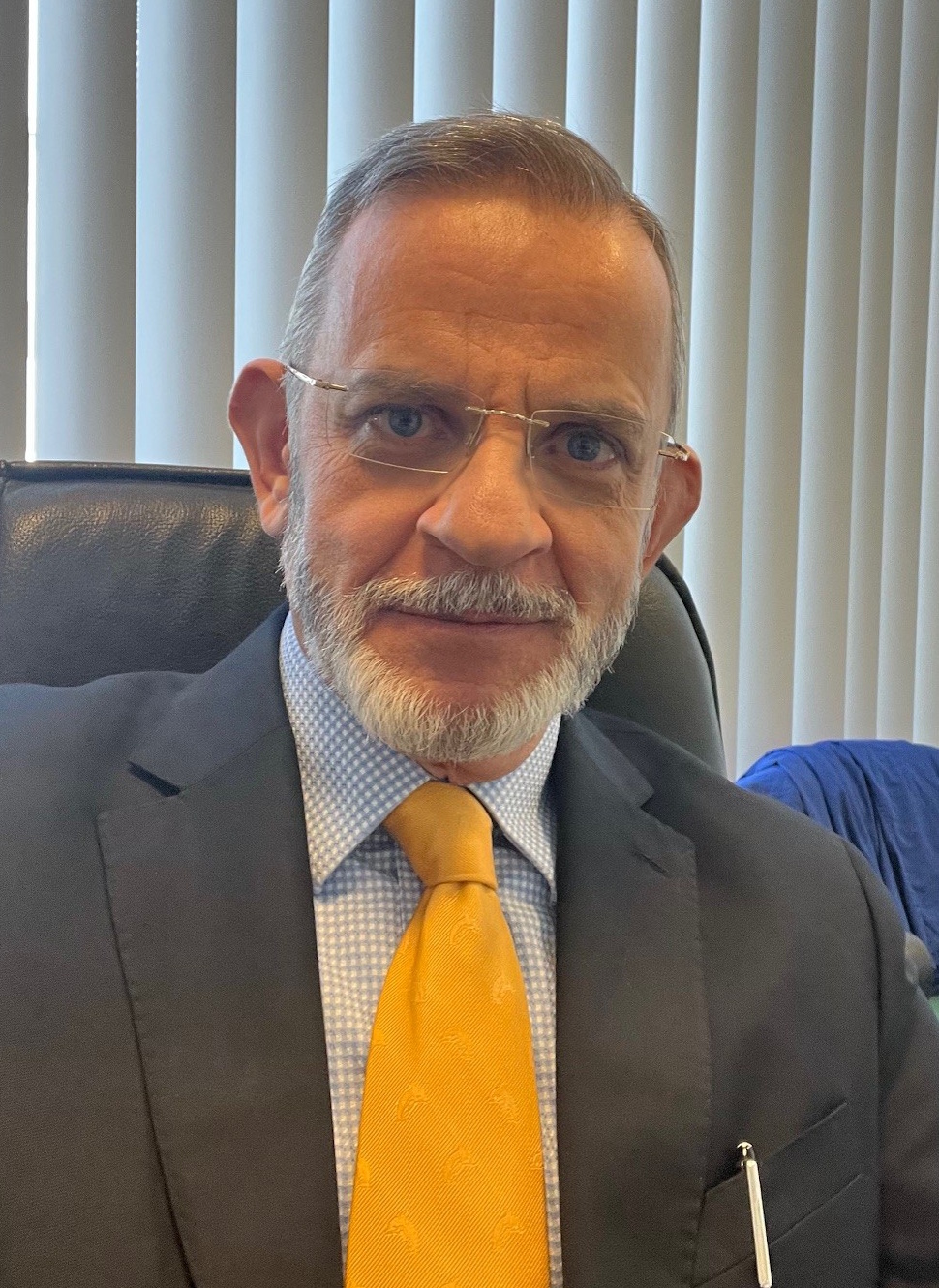
Professor Peter Clemmensen (University Heart Center, Hamburg, Germany), a leading interventional cardiologist and long-time contributor to clinical trial research, shared his perspective on the evolving evidence base. In this interview from ESC 2025, he discusses the implications of DanGer Shock for daily practice, age-related considerations in MCS use, and why prevention and equitable global health strategies must remain central to the future of cardiology.
Q. DanGer Shock provides fresh evidence on the role of early mechanical support in ST-segment elevation myocardial infarction (STEMI)-related cardiogenic shock. Do you think the trial results are strong enough to warrant a change in acute shock management?
Absolutely. I think, last year [2024] when these results were first published, it was the first time that we actually saw in a randomized clinical trial proof that early intervention with a mechanical support or other device has an effect on outcomes at 6 months.1 And at this meeting, we have actually seen already the reported outcomes out to 10 years, which actually confirm that early intervention with a micro axial pump to support patients with large anterior, mainly infarctions, actually improves survival, not only on the midterm, but actually long term.
Q. Is there any age limit for MCS?
Yes. We have to be cautious, when it comes to not only age as a number, but also other considerations like frailty: is the patient self-supporting, in their homes. At this meeting, we have actually seen data from a meta analysis presented this morning, from Professor Uwe Zeymer from Ludwigshafen in Germany, with a pooled analysis actually showing that mechanical cardiac support in patients over the age of 75 is of little value.2 Actually they fare no worse and no better compared to a conservative treatment on the intensive care unit. Therefore, I think we should be cautious in elderly patients.
Q. What have been your key highlights from ESC 2025, and your thoughts on this year’s spotlight on global health?
Well, the highlights are many. It has been a fantastic congress, not only the ESC, but with the World Congress of Cardiology with, I think, 20 publications expected simultaneously in the major journal at least. And, so it’s just been amazing amount of science.
That being said, I think we also have to raise a voice of caution when it comes to the global cardiovascular health. We have seen many studies presenting you know, very fancy, high-tech imaging modalities, etc., and they might not be easily transferred to other parts of the world; that or emerging economies.
Therefore, it is essential that we really have a focus on the modifiable risk factors and on prevention to increase global cardiovascular health in the next 20-25 years.
References
- ClinicalTrials.gov. Danish Cardiogenic Shock Trial (DanShock). ClinicalTrials.gov identifier: NCT01633502 (accessed 8 September 2025).
- Zeymer U. Age analysis of the MCS in CS meta analysis. Presented at ESC Congress 2025 Madrid, Spain, 31 August 2025. Available at: https://esc365.escardio.org/presentation/312312 (accessed 8 September 2025).
Disclosure: Peter Clemmensen has previously or currently been involved in research contracts, consulting, speakers bureau or received research and educational grants from: Abbott, Abiomed, AstraZeneca, Aventis, Bayer, Boehringer Ingelheim, Bristol Myers Squibb, Daiichi Sankyo, DZHK, Eli-Lilly, Evolva, Fibrex, Idorsia, Janssen, Merck, Myogen, Medtronic, Mitsubishi Pharma, The Medicines Company, Nycomed, Organon, Pfizer, Pharmacia, Philips, Regado, Sanofi, Searle, Servier and ViFor Pharma. He has received honoraria from clinical event committee and data safety monitoring board activities under the auspices of WCG Clinical Services.
Cite: #ESC2025: Prof Peter Clemmensen on the DanGer Shock trial on early mechanical support in ST-segment elevation myocardial infarction-related cardiogenic shock. touchCARDIO. September 9, 2025.
Interviewer: Caroline Markham, Head of Strategic Partnerships
Editor: Heather Hall, Managing Editor
This content has been developed independently by Touch Medical Media for touchCARDIO. It is not affiliated with the European Society of Cardiology (ESC). Views expressed are the speaker’s own and do not necessarily reflect the views of Touch Medical Media.
Browse all ESC 2025 content here.
SIGN UP to touchCARDIO!
Join our global community today for access to thousands of peer-reviewed articles, expert insights, and learn-on-the-go education across 150+ specialties, plus concise email updates and newsletters so you never miss out.