

HEART INTERNATIONAL – VOLUME 20, ISSUE 2 – 2026
Welcome to Heart International 20.2. This issue reflects the breadth of contemporary cardiovascular medicine, spanning arrhythmia mechanisms, rare disease therapeutics, heart failure, digital health and imaging.
Aysha Hashmi responds to a recent article on the mechanisms that sustain ventricular fibrillation, questioning how mechanistic phenotyping could be recognized in real time during cardiac arrest. Erica J Carrier and James D West discuss the US Food and Drug Administration Fast Track designation granted to ifetroban for cardiomyopathy in Duchenne muscular dystrophy, while Aditya John Binu reviews the diagnosis of iron deficiency in heart failure. Adam Ioannou examines how earlier diagnosis and disease-modifying therapies have changed the patients enrolled in clinical trials of transthyretin amyloid cardiomyopathy. Tchana Bertrand et al. synthesize evidence on how families experience pediatric congenital heart disease, and Faris F Halaseh et al. review cases of cardiac tamponade secondary to hypothyroidism. Madhur Verma et al. present original research comparing an artificial intelligence-enabled mobile phone application with standard devices for measuring vital signs in adults in North India. Finally, Mahima Tyagi et al. report a case of infective endocarditis complicated by a left ventricular abscess and pseudoaneurysm, illustrating the complementary roles of multimodality imaging.
We thank our authors, reviewers and editorial board for their continued contributions, and hope this issue provides insights that support continued progress in clinical research and patient care.
Foreword
It is my pleasure to introduce the second issue of the 2026 volume of Heart International, which brings together a letter, a commentary, two narrative reviews, two systematic reviews, an original research article, and a case report. Together, these articles reflect the breadth of contemporary cardiovascular medicine, from arrhythmia mechanisms and rare disease therapeutics to […]
Letter to the Editor

Dear Editor, I read with great interest the recent comprehensive article by Tonko et al. regarding the dynamic and substrate-specific mechanisms that sustain ventricular fibrillation (VF).1 The authors deserve credit for moving past the archaic dichotomy of the ‘multiple wavelet hypothesis’ versus the ‘mother rotor framework,’ rightfully framing VF as a duration-dependent, evolving process. The […]
Commentary

Duchenne muscular dystrophy (DMD) is an X-linked myopathy resulting from inactivating dystrophin mutations that cause progressive muscle breakdown, affecting 1:5,000 live male births globally. Boys with DMD are typically diagnosed at ~4 years of age, lose ambulation as preteens and die of respiratory or heart failure by their third decade. With modern respiratory support, cardiac […]
Review

Transthyretin amyloid cardiomyopathy (ATTR-CM) is a progressive infiltrative cardiomyopathy caused by the deposition of misfolded transthyretin (TTR), in the form of insoluble amyloid fibrils, within the myocardial extracellular space. Patients typically experience a progressive decline in functional capacity, worsening heart failure symptoms and recurrent heart failure hospitalizations, followed by the development of advanced end-stage disease […]

Heart failure (HF), first recognized as a distinct clinical syndrome in the early 20th century, has evolved from a largely descriptive diagnosis into a major global public health challenge and a leading cause of morbidity, mortality and healthcare expenditure worldwide, with the advent of modern cardiovascular physiology and imaging. Despite advances in neurohormonal modulation, device […]
Systematic Review

Recently, Eagleson et al. discovered that families report on-going and profound distress that changes throughout the child’s lifespan, described as living with a hidden chronic illness.1 Parents are often shocked, guilty and angry at the diagnosis, particularly if it occurs after birth. Parents, especially mothers, report that their role as a parent dominates their identity, […]
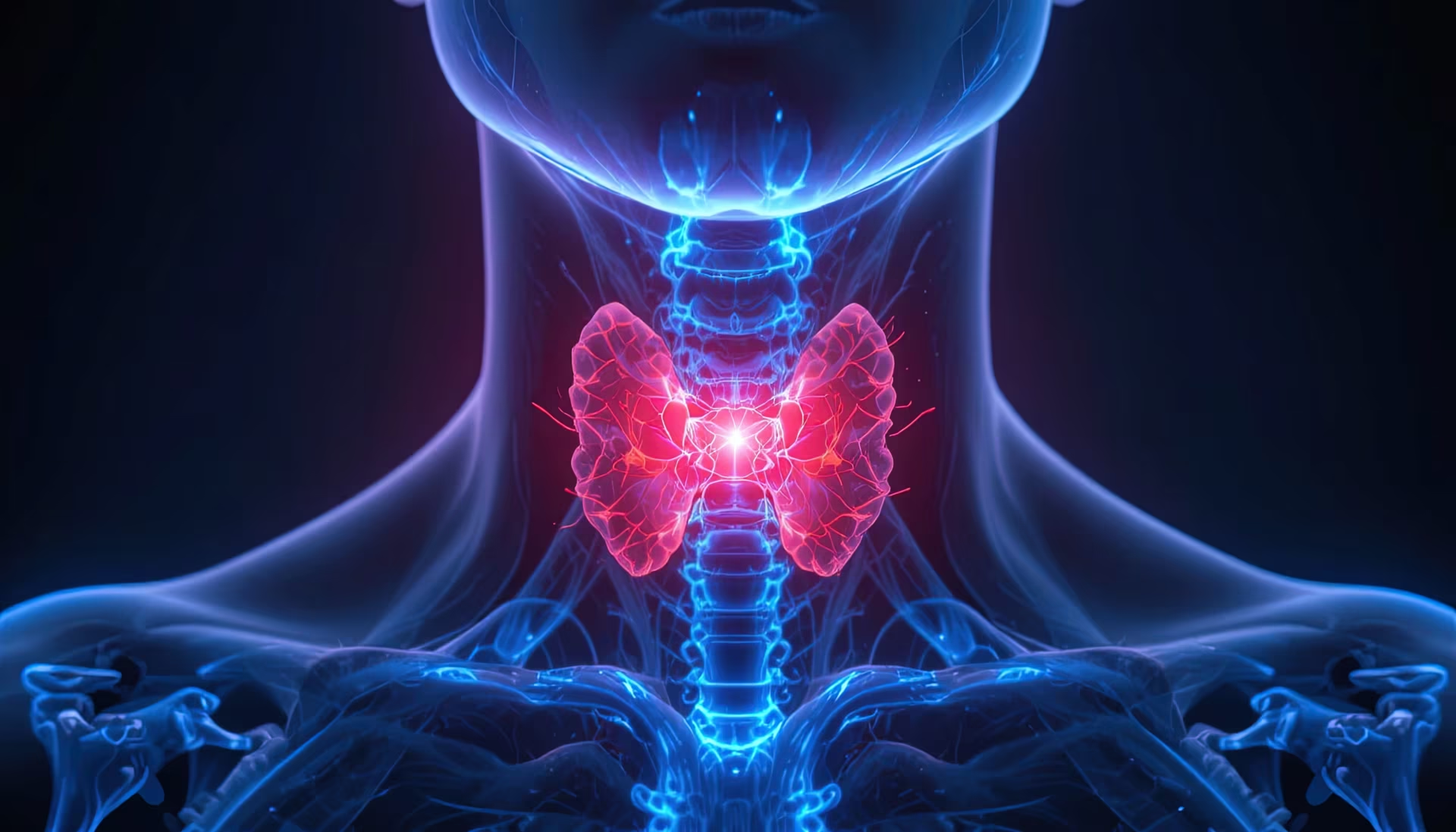
Hypothyroidism, defined as a state of deficient thyroid hormone production characterized biochemically by elevated thyroid-stimulating hormone with low or inappropriately normal circulating thyroxine, is a common endocrine disorder affecting 4–5% of the population of the USA.1,2 Pericardial effusion occurs in 30–80% of patients with severe hypothyroidism or myxedema, although estimates vary across studies.3–6 While most […]
Original Research

Cardiovascular diseases (CVDs) are the leading cause of morbidity and mortality worldwide.1 High systolic blood pressure (SBP) remains one of the top risk factors for CVD burden globally.2 Despite being a modifiable risk factor, hypertension (HTN) remains largely undiagnosed and untreated due to inadequate screening, poor awareness and lack of treatment adherence.3 Globally, HTN is undiagnosed in about 46% […]
Case Report

Native valve infective endocarditis (IE) is rare, with an incidence of 3–7 cases per 100,000 person-years.1,2 Cardiac structural complications from local infection extension include valvular destruction, peri-annular abscess and fistula formation. Left ventricular pseudoaneurysm (LVP) from IE is exceedingly rare, occurring in <1% of cases, and is associated with high morbidity and mortality. Diagnosis is challenging due to nonspecific symptoms […]

Trending Topic
It is my pleasure to introduce the second issue of the 2026 volume of Heart International, which brings together a letter, a commentary, two narrative reviews, two systematic reviews, an original research article, and a case report. Together, these articles reflect the breadth of contemporary cardiovascular medicine, from arrhythmia mechanisms and rare disease therapeutics to […]
Journal Archive


Log into your Touch Account
Keep track of your clinical interests and newsletter subscriptions.
Sign up with an Email
Or use a .
Register now for FREE access
Already registered? Login below.
