Prof. Thomas Thum discusses Phase II findings from the HF-REVERT study, what they suggest about patient selection for RNA-based therapies, and how these approaches could offer new ways to treat heart failure.

Despite considerable advances in guideline-directed medical therapy, heart failure continues to carry substantial morbidity and mortality. This has driven interest in therapeutic approaches that act on biological targets beyond those addressed by conventional cardiovascular medicines, including RNA-based therapies.
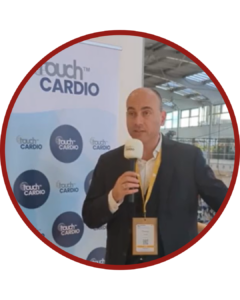 At ESC Congress 2026, Prof. Thomas Thum, Institute for Molecular and Translational Therapeutic Strategies (IMTTS), Hannover, Germany, discussed the future of molecular RNA-based therapies during the session Heart failure: hot off the press. He spoke with touchCARDIO about Phase II findings from the HF-REVERT study of microRNA-132 inhibition and what the results could mean for future development of RNA-based therapies.
Don’t miss out on hearing about our latest peer-reviewed articles, expert opinions, conference news, podcasts and more.
What have you learned so far from the HF-REVERT study?
We tested a new concept, which is the inhibition of a certain microRNA in patients with heart failure.
First of all, the data suggest that we have a very safe drug. We have not seen specific side effects. We missed the primary endpoint, which was measuring a reduction in cardiac volume, but we found very interesting signals in certain subgroups.
What we saw was that patients with greater cardiac remodeling and higher BNP values seemed to benefit from the therapy. I think what this means is that, in the future, we need to better stratify patients in order to have success with new RNA-based therapies.
What potential do RNA-based therapies have to change heart failure treatment?
Although we have great drugs, 50% of heart failure patients still die within five years. So obviously we need very new approaches. I think RNA-based approaches are very interesting because they offer the possibility of targeting targets that we could not target before.
Second, the mode of administration is completely different. We can use intravenous administration and potentially, in the future, subcutaneous administration. These treatments could also be given very infrequently — for example, once per month. That would change how we treat patients compared with the current situation, where they may have to take many pills every day.
I think that could also offer a great advantage in terms of patients’ adherence to treatment.
Cite: Could RNA-based therapies change the future of heart failure treatment? touchCARDIO. September 2, 2026.
Disclosure: No funding was received in the publication of this article. Thank you to Prof. Thomas Thum for providing his expert insights. Prof. Thomas Thum is the founder, CSO, CMO and Managing Director of Cardior Pharmaceuticals, a Novo Nordisk company.
Editor: Nicola Cartridge, Director of Content