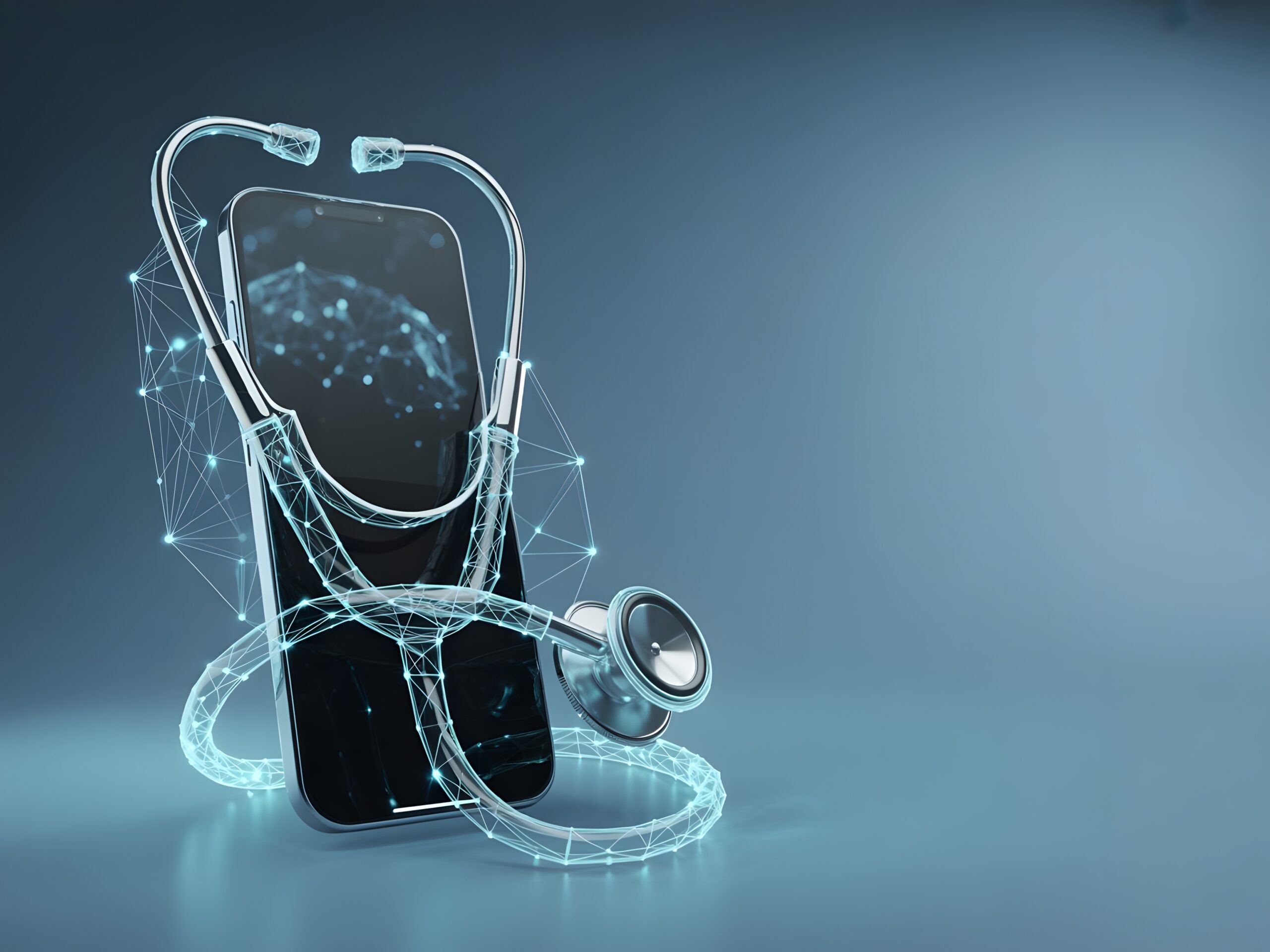
Prof. George Stergiou discusses wearable, cuffless and screening technologies for blood pressure measurement, where they may add value, and why accuracy remains critical for clinical decision-making.

Accurate blood pressure measurement remains fundamental to diagnosing and managing hypertension, but a growing range of wearable and cuffless technologies is changing how blood pressure can be measured outside traditional clinical settings.
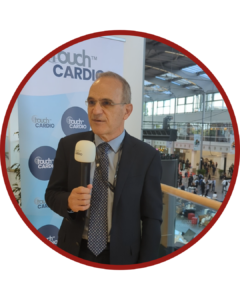 At ESC Congress 2026, Prof. George Stergiou, National and Kapodistrian University of Athens, Athens, Greece and current President of the International Society of Hypertension, presented in the session New ways to measure blood pressure: ready for clinical use? He spoke with touchCARDIO about which technologies currently have the most clinical promise and where further validation is still required.
<em>Don’t miss out on hearing about our latest peer-reviewed articles, expert opinions, conference news, podcasts and more.</em>
Which new blood pressure measurement technologies currently show the most promise?
We still have problems with the accuracy of blood pressure measurement, and there are several novel technologies that can help us obtain more accurate and more detailed information about the blood pressure profile and behavior.
One class of devices is already on the market and clinically useful. These are smartwatch-type devices, but they have a cuff. They are conventional oscillometric wrist devices and use the same principle as the diagnostic devices we use for office, home and ambulatory measurement. They can be used for self-measurement at home, but also at work and in other settings. They can also be programmed to perform 24-hour ambulatory monitoring.
There are around 10 devices like this on the market. Two have good validation data, although we still need more work to understand how best to benefit from these wearable devices. These are the first wearable devices we have for clinical practice.
The second category is cuffless blood pressure measurement. We have been struggling to identify devices that work well, but none of them at present has the accuracy required for clinical decisions. Although they are very promising and could change a lot in the way we diagnose and monitor hypertension, we do not currently recommend them for clinical practice.
The third category includes technologies such as the Apple smartwatch. You wear the watch for a month and it can tell you whether you have a high chance of having hypertension. It has low sensitivity, around 40%, but high specificity, around 90%. This means that if it notifies you that you may have a problem, it is likely to be correct. It is intended for untreated people and uses the American definition of hypertension.
There is also a newer Huawei technology that works over 24 hours and provides a 24-hour average blood pressure. It has a sensitivity of around 60% and specificity of around 70%. These are not diagnostic tools, but they can be very useful for people who do not otherwise reach healthcare. They can help us identify those people and bring them in for diagnosis and management.
Can these technologies help patients become more engaged in monitoring their own health?
Patients who self-monitor measurements of their health become more engaged and involved, and they do better in terms of control. So it is important to have reliable tools that help patients become engaged in the management and follow-up of their disease. They do better in terms of control.
Which of these technologies are most likely to become useful for clinical decision-making?
The cuff devices can be diagnostic devices. We already have some validation data, although the use of these wrist-cuff devices for ambulatory monitoring still needs a little more research. But these are the devices most likely to be used for clinical decision-making.
Other devices, such as Apple and Huawei, are useful for screening. They can raise a suspicion, but you then need a diagnostic device with a cuff to confirm the diagnosis and make treatment decisions.
What new developments in hypertension have stood out to you at ESC Congress 2026?
Some of what I have already described has been announced at this meeting. For example, there is a new cuffless wearable device and another device that combines cuff and cuffless measurement. These are new technologies.
There are also announcements at this meeting about new drugs that are coming. At last, after around 20 years, we have some new compounds to treat blood pressure more efficiently.
Cite: Are new blood pressure technologies ready for clinical practice? touchCARDIO. September 2, 2026.
Disclosure: No funding was received in the publication of this article. Thank you to Prof. George Stergiou for providing his expert insights. Prof. George Stergiou has nothing to disclose in relation to this content.
Editor: Nicola Cartridge, Director of Content
touchCARDIO coverage of ESC Congress 2026: This content has been developed independently by Touch Medical Media for touchCARDIO. It is not affiliated with the ESC. Views expressed are the speaker’s own and do not necessarily reflect the views of Touch Medical Media.