
Higher consumption of sugar-sweetened beverages and fruit juice from childhood through adulthood was associated with an increased risk of developing hypertension in a 25-year US cohort study.
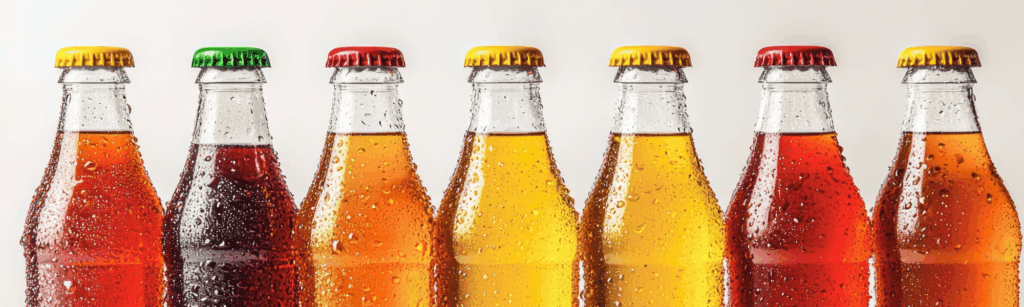
Long-term consumption of sugar-sweetened beverages and fruit juice, beginning in childhood, was associated with a higher likelihood of hypertension in adulthood, according to findings published in Circulation.¹
Hypertension remains a major public health challenge in the US, where approximately 125.9 million adults, or 47.3% of the adult population, are living with high blood pressure.² As hypertension is a major risk factor for cardiovascular disease, stroke, and other complications, identifying modifiable early-life risk factors remains an important prevention priority.
Don’t miss out on hearing about our latest peer-reviewed articles, expert opinions, conference news, podcasts and more.
The prospective cohort study analyzed data from 25,749 participants in the Growing Up Today Study, who were aged 9–16 years at baseline and followed for up to 25 years. Participants reported their intake of sugar-sweetened beverages, fruit juice, and whole fruits using food-frequency questionnaires completed every 1–4 years. Researchers then assessed associations between these dietary patterns and self-reported diagnoses of hypertension.
The highest levels of sugar-sweetened beverage consumption were associated with the greatest increase in hypertension risk. Participants who consumed two or more servings of sugar-sweetened beverages per day had a 52% higher risk of developing hypertension compared with those who consumed fewer than three servings per week. When individual beverage types were assessed, each daily serving of soda was associated with a 23% higher risk, while each daily serving of sports drinks was associated with a 36% higher risk.
Fruit juice intake was also associated with hypertension risk at higher levels of consumption. Participants who drank 1.5 or more servings of fruit juice per day had a 35% higher risk of developing hypertension compared with those who drank less than one serving per week. Among juice subtypes, each daily serving of orange juice was associated with a 20% higher risk. However, the authors noted that orange-flavored drinks with added sugars may have been misreported as orange juice.
Substitution analyses suggested that replacing one daily serving of a sugar-sweetened beverage with whole fruit was associated with a 22% lower risk of hypertension. Replacing fruit juice with whole fruit was associated with a 19% lower risk, while replacing sugar-sweetened beverages with milk or water was associated with up to a 13% lower risk. Notably, replacing fruit juice with milk or water showed no significant association with hypertension risk. Whole fruit intake itself was not associated with increased hypertension risk.
The authors noted that the associations between sugary drinks, fruit juice, and hypertension were independent of overall diet quality, physical activity, and other factors. However, the study was observational, relied on self-reported dietary intake and hypertension diagnoses, and included a predominantly non-Hispanic White population, which may limit generalizability.
What does this mean for cardiologists?
For cardiologists, these findings reinforce the importance of early-life dietary counseling as part of long-term cardiovascular prevention. “Dietary habits in early life can have lasting health consequences,” said senior study author Vasanti Malik, Sc.D., M.Sc., an associate professor and Canada Research Chair in Nutrition and Chronic Disease Prevention in the department of nutritional sciences at Temerty Faculty of Medicine at the University of Toronto, and an adjunct faculty member in the department of nutrition at the Harvard T.H. Chan School of Public Health in Boston.³
These data support a practical prevention message: sugar-sweetened beverages should be limited from childhood, fruit juice should be consumed only in moderation, and whole fruit, water, or milk may be preferable choices for reducing future cardiometabolic risk.
References
- Nguyen M, et al. Consumption of fructose-containing food and beverage sources in childhood through to adulthood and risk of hypertension: a prospective cohort study. Circulation. 2026. doi:10.1161/CIRCULATIONAHA.125.077666.
- Palaniappan LP, Allen NB, Almarzooq ZI, et al. 2026 heart disease and stroke statistics: a report of US and global data from the American Heart Association. Circulation. 2026. doi:10.1161/CIR.0000000000001325.
- American Heart Association. Does drinking juice, soda during childhood increase the risk of high blood pressure? [Press release]. June 22, 2026. Available at: https://newsroom.heart.org/news/does-drinking-juice-soda-during-childhood-increase-the-risk-of-high-blood-pressure (accessed June 23, 2026)
Cite: Childhood sugary drink and fruit juice intake linked to adult hypertension risk. touchOPHTHALMOLOGY. 24th June 2026.
Acknowledgment: This content was created by the touchCARDIO team utilizing AI as an editorial tool (ChatGPT (GPT-5.4) [Large language model]. https://chat.openai.com/chat.) The content was developed and edited by human editors. No funding was received in the publication of this article.
Editor: Nicola Cartridge, Director of Content