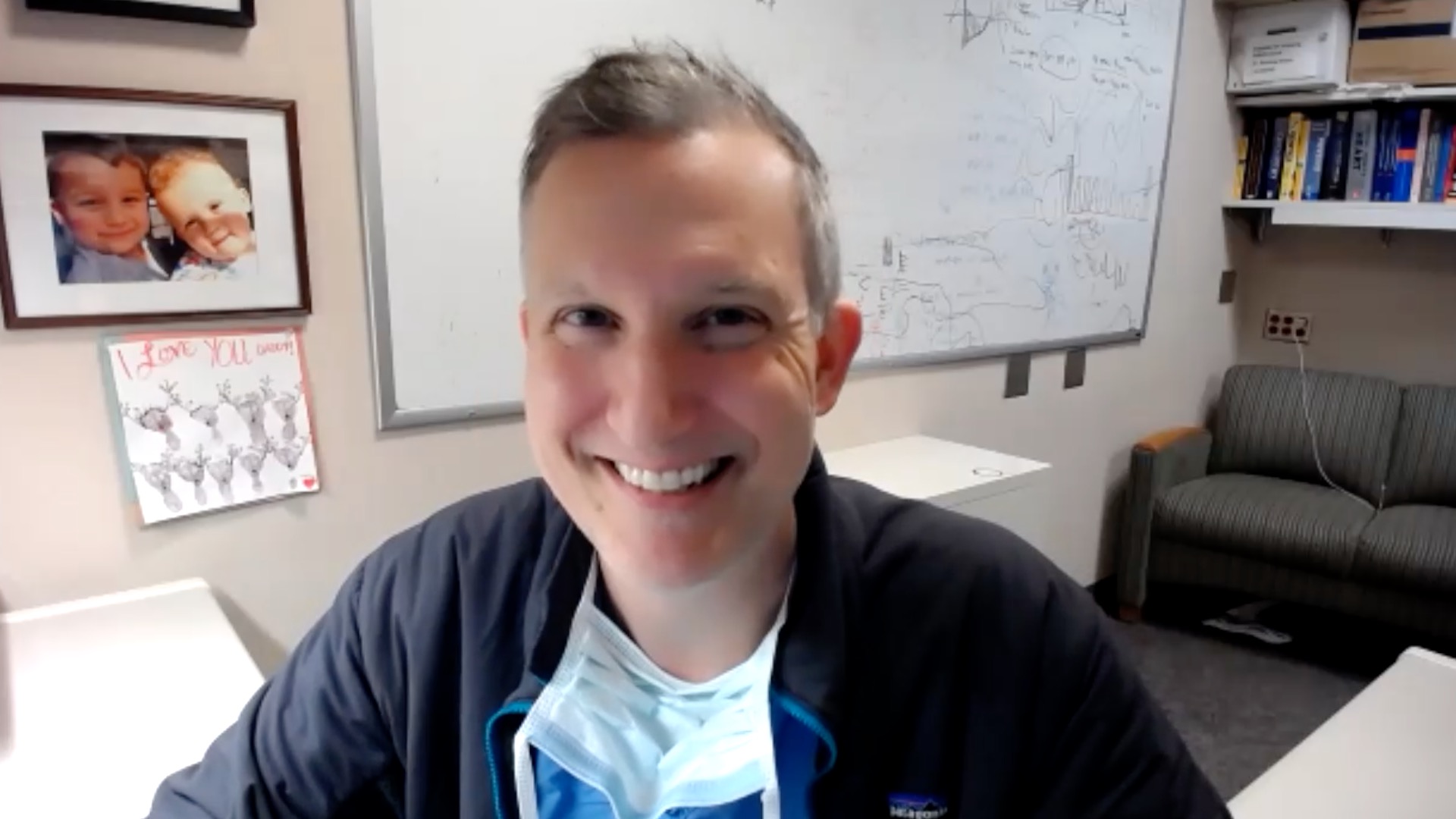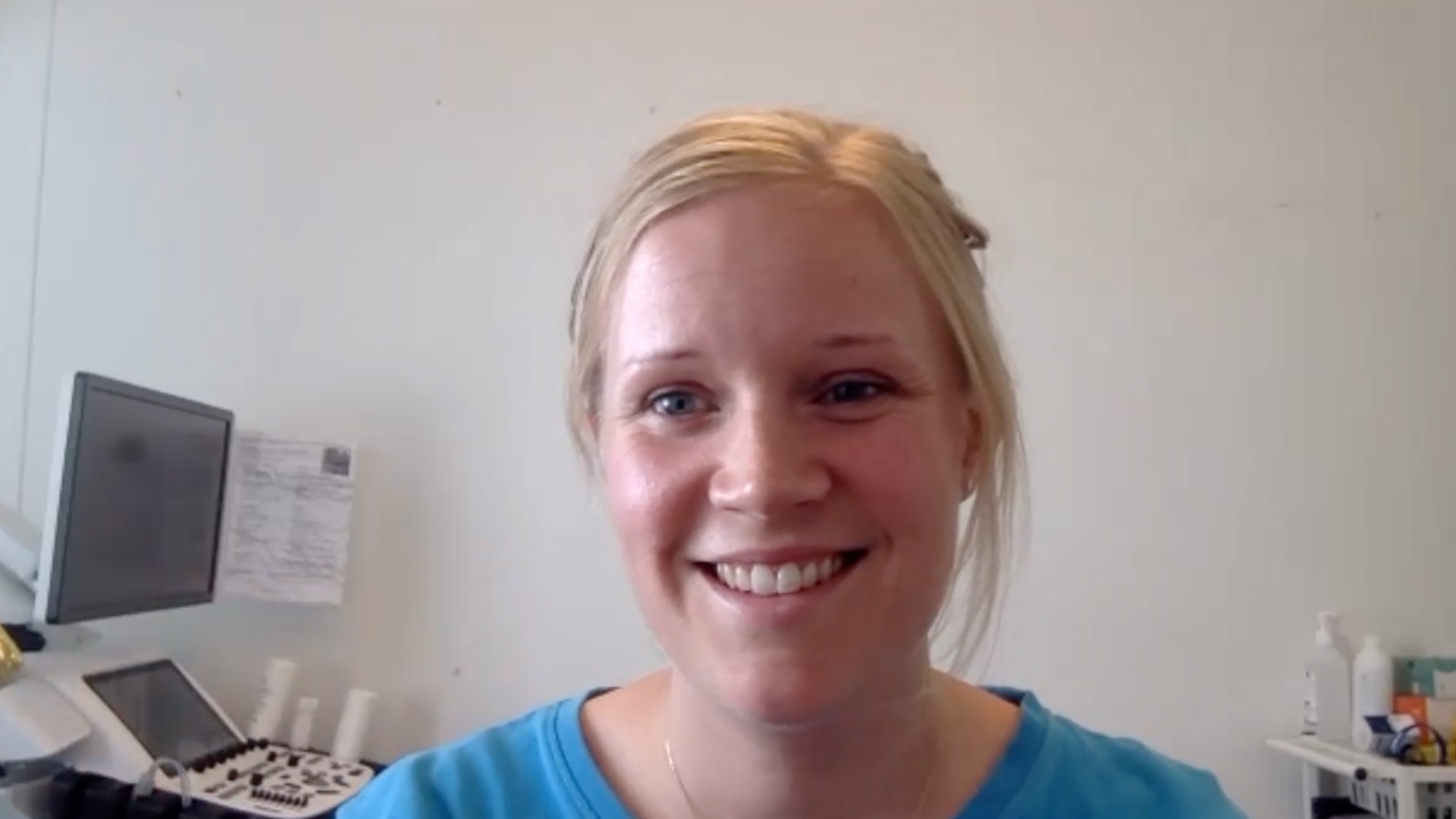
 We are excited to welcome Dr Sean Zheng, a Clinical Lecturer in Cardiology at Imperial College London, London, UK as one of our touchCARDIO Future Leaders 2025. Dr Zheng studied medicine at Cambridge and Oxford before moving to London to begin his clinical academic training — first in general medicine, then specialising in cardiology. In 2024, he completed his PhD at Imperial under the supervision of Professor James Ware and Dr Michela Noseda, where his research explored the genetic basis of cardiomyopathy and used cutting-edge transcriptomic methods to uncover new cellular and molecular insights into heart failure.
Now, as a Chain Florey Clinical Lecturer at the MRC Laboratory of Medical Sciences, his research now focuses on bringing polygenic risk scores into real-world clinical practice and using functional genomics to better understand heart failure.
In this Q&A, Dr Zheng reflects on the power of collaborative mentorship, the creative rewards of scientific discovery, and the promise of precision medicine in reshaping the future of cardiomyopathy care.
Q. Can you tell us about a mentor who has had a significant impact on your career, and the most valuable lesson they have shared with you?
I’ve been incredibly fortunate to receive support from many individuals throughout my career. Most recently, my PhD supervisor Professor James Ware, has been an exceptional mentor. He created an environment where I could thrive, while modelling the essential qualities needed to succeed in this field. Working under his guidance, I’ve learned the true value of collaboration – how sharing ideas and resources elevates everyone’s work. Perhaps most importantly, he has shown me the impact of empowering others by giving them the freedom to fully express their expertise, something that I will take forward with me with my future students and colleagues.
Q. What aspects of your work do you find the most fulfilling?
What inspires me most is the complete research journey—from initial conception through development to seeing work evolve into meaningful scientific contributions. While I’ve been extraordinarily fortunate to achieve career highlights like presenting at prestigious conferences and publishing in leading journals, the true joy lies in the personal growth throughout the process: acquiring new skills, exchanging innovative ideas and the creative freedom of blue-sky thinking.
Q. How do you balance clinical practice, research and personal development?
For clinician-scientists, balancing clinical duties, academic pursuits and personal life is both critically important and profoundly challenging. For those whose clinical and research work are closely aligned, this balance may come more naturally. However, in my case—where the two domains are distinct—I’ve found that maintaining clear boundaries and dedicating my full attention to each role is essential. Beyond structure and focus, I also make a conscious effort to keep the bigger picture in mind. By anchoring myself in my long-term goals, I ensure that my efforts remain aligned with what truly matters, allowing me to prioritize effectively and sustain momentum across all aspects of my career and life.
Q. What current innovations in cardiomyopathy excite you the most?
I’m particularly excited about the transformative potential of polygenic scores in clinical cardiology, especially for cardiomyopathies and other inherited cardiac conditions. This technology truly embodies personalized precision medicine, with far-reaching clinical applications. I’m especially eager to see clinical trials explore how we might integrate these scores into preventive care pathways.
From an equally translational perspective, as genomic science advances and we uncover new gene-disease associations, I’m enthusiastic about the prospect that these discoveries could catalyze the development of novel, targeted therapies for specific cardiac conditions.
Citation: Sean Zheng. Q&A with Dr Sean Zheng: touchCARDIO Future Leader 2025. touchCARDIO. 21 July 2025.
Disclosures: This short article was prepared by touchCARDIO in collaboration with Dr Zheng. No fees or funding were associated with its publication.
 touchCARDIO is celebrating the brightest rising stars in the cardiology community, who are set to shape the future of the field.
Read more about touchCARDIO Future Leaders 2025 here.
Register now to receive the touchCARDIO newsletter!
Don’t miss out on hearing about our latest peer reviewed articles, expert opinions, conference news, podcasts and more.