Between 29 August and 1 September 2025, Madrid hosted one of the most globally ambitious gatherings in cardiovascular medicine: ESC Congress 2025, held alongside the World Congress of Cardiology. Under the unifying theme “Cardiology Beyond Borders,” the meeting spotlighted how cardiovascular disease is woven into broader global health challenges — from disparities in care access to climate, pandemics and social determinants of health. With over 33,000 participants from 169 countries, the Congress set new attendance records and featured more than 190 studies released in tandem with leading journals.
Standout updates included the hotly debated role of beta-blockers after myocardial infarction, with pooled trial data suggesting benefit mainly in patients with mildly reduced ejection fraction; advances in heart failure care, with GLP-1–based therapies reducing hospitalizations in HFpEF and vericiguat reaffirmed as a safe, effective option in HFrEF; and a focus on global equity, where trials of reconditioned pacemakers and home-based hypertension care in low-resource settings showed encouraging results. Alongside these, new ESC guidelines and documents were released for valvular heart disease, myocarditis and pericarditis, cardiovascular disease in pregnancy, dyslipidaemia, and mental health in cardiovascular care — each reinforcing a shift toward more individualized, interdisciplinary and globally relevant practice.
Below are out key take-aways from the meeting, presented by leading voices in the field.

Dr Haran Burri on the late-breaking trials in cardiac implantable electronic devices
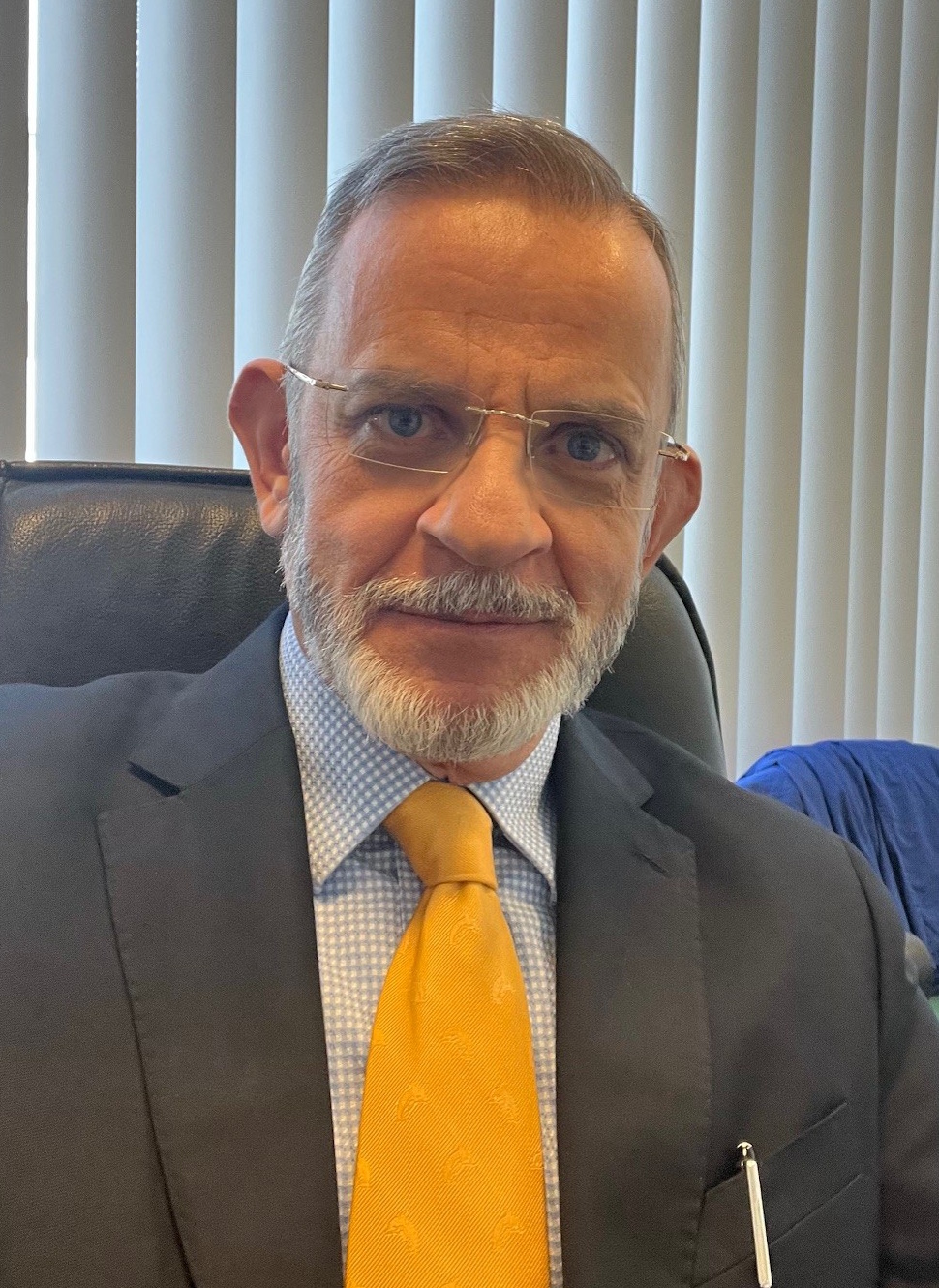
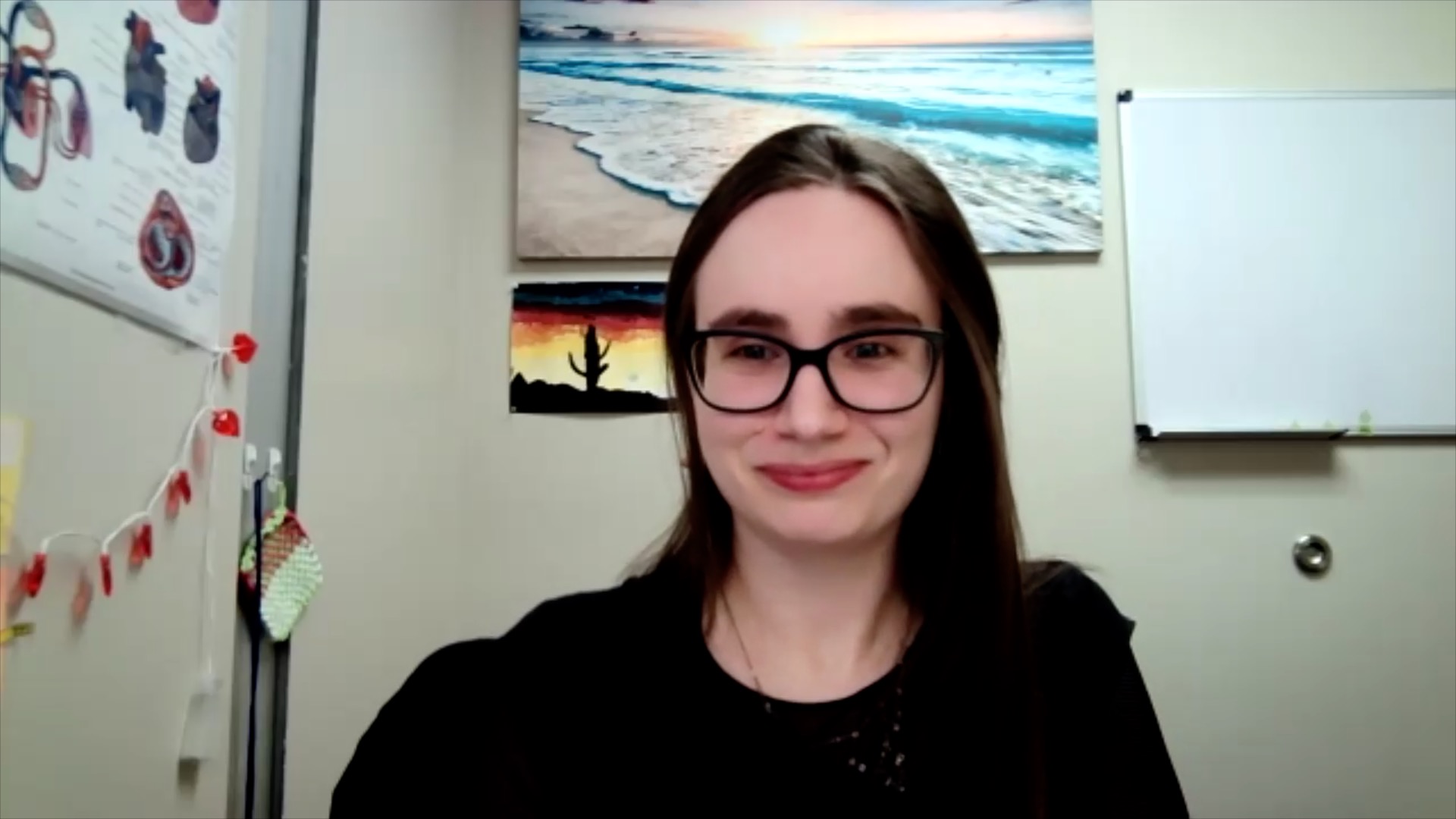
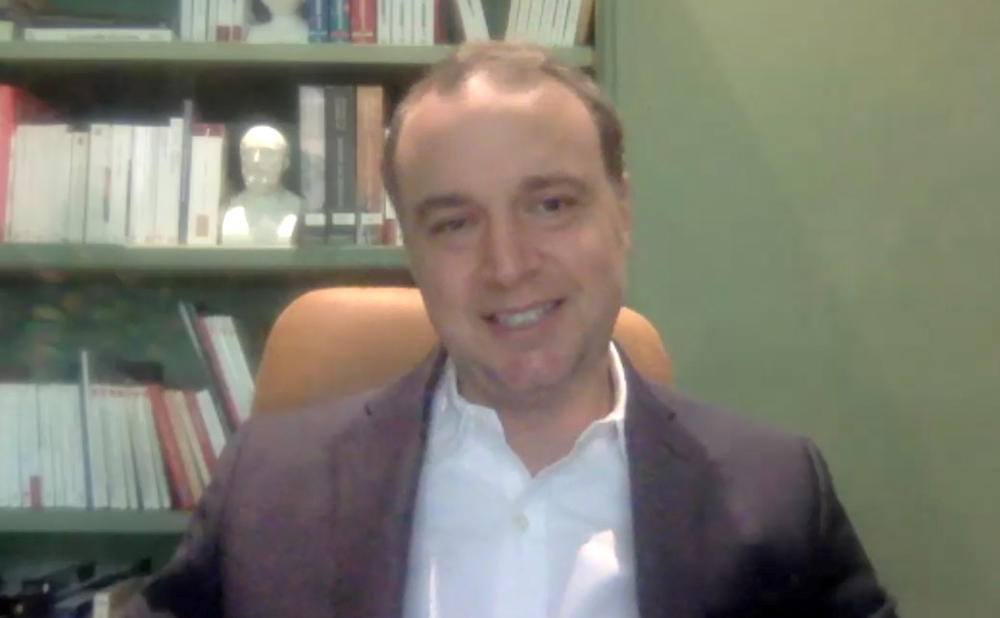
To help make sense of the most impactful late-breaking trials in this space, we spoke with Dr Haran Burri, head of the Cardiac Pacing and Electrophysiology Unit at the University Hospital of Geneva, Geneva, Switzerland. A leading expert in device therapy, president-elect of the European Heart Rhythm Association (EHRA) and an esteemed member of our editorial board, Dr Burri shares his insights on the highlights from this year’s congress and what they might mean for the future of patient care.

Dr Andreas Boehmer on POLAR-HF and pulmonary vein isolation only for atrial fibrillation with heart failure
Dr Andreas Boehmer (St Josefs Hospital Wiesbaden, Wiesbaden, Germany), lead investigator of the study, shared his perspective on how these findings may change practice. In this interview, he explains why less complex ablation approaches can be sufficient in patients with HFrEF, how the timing of intervention influences outcomes, and what POLAR-HF means in the broader context of trials like EAST-AFNET 4 for shaping future atrial fibrillation and heart failure guidelines.
Dr Jose Merino on the REBOOT, POTCAST and AQUATIC trials
In this conversation, Dr Jose Merino reflects on the most practice-shaping late-breaking trials, ranging from the REBOOT study on beta-blockers after myocardial infarction, to POTCAST on potassium optimization in patients with implantable cardioverter defibrillators (ICDs), and AQUATIC on aspirin use in anticoagulated patients. He also shares his perspective on the growing maturity of artificial intelligence in cardiology and how it is beginning to move from proof-of-concept into meaningful clinical application.

Prof Joachim Ehrlich on atrial fibrillation ablation in patients with heart failure and single-shot cryoablation
In this interview, Professor Joachim Ehrlich explains why concerns about complications in heart failure populations may be overstated, how single-shot cryoablation could reduce procedure times and ease pressures on busy electrophysiology centres, and why early ablation—supported by growing evidence and a strong safety profile—may be the key to better long-term outcomes.
Prof  Peter Clemmensen on the DanGer Shock trial on early mechanical support in ST-segment elevation myocardial infarction-related cardiogenic shock
Professor Peter Clemmensen (University Heart Center, Hamburg, Germany), a leading interventional cardiologist and long-time contributor to clinical trial research, shared his perspective on the evolving evidence base on early mechanical support in ST-segment elevation myocardial infarction-related cardiogenic shock.. In this interview from ESC 2025, he discusses the implications of DanGer Shock for daily practice, age-related considerations in MCS use, and why prevention and equitable global health strategies must remain central to the future of cardiology.

Dr Héctor Bueno on the 2025 ESC consensus statement on mental health and cardiovascular disease
In this interview, Dr Héctor Bueno (Hospital Universitario 12 de Octubre in Madrid and National Cardiovascular Research Center, Madrid, Spain) discusses the urgent need to prioritize mental health in patients with cardiovascular diseases, the role of multidisciplinary “psycho-cardio” teams, and how structured screening and collaboration could reshape clinical practice, as well as future guidelines and research agendas.
Editor: Sven Awege, Education Editor.
Citation: ESC 2025: Highlights from Madrid. touchCARDIO. 9 October 2025.
This content has been developed independently by Touch Medical Media for touchCARDIO. It is not affiliated with the European Society of Cardiology (ESC). Views expressed are the speaker’s own and do not necessarily reflect the views of Touch Medical Media.
SIGN UP to touchCARDIO!
Join our global community today for access to thousands of peer-reviewed articles, expert insights, and learn-on-the-go education across 150+ specialties, plus concise email updates and newsletters so you never miss out.