This website is intended for healthcare professionals only

Trending Topic

Abstract stethoscope integrated with a smartphone screen, representing digital health, telemedicine, and medical technology health care
16 mins

Trending Topic

Developed by Touch
Mark CompleteCompleted
BookmarkBookmarked

Cardiovascular diseases (CVDs) are the leading cause of morbidity and mortality worldwide.1 High systolic blood pressure (SBP) remains one of the top risk factors for CVD burden globally.2 Despite being a modifiable risk factor, hypertension (HTN) remains largely undiagnosed and untreated due to inadequate screening, poor awareness and lack of treatment adherence.3 Globally, HTN is undiagnosed in about 46% […]

Neuromodulation and Vagal Denervation: Techniques and Implications for Atrial Fibrillation Ablation Outcomes

Lincoln Kavinsky, Jamario Skeete, Henry D Huang, Tolga Aksu
12 mins
Share
Facebook
X (formerly Twitter)
LinkedIn
Via Email
Mark CompleteCompleted
BookmarkBookmarked
Copy LinkLink Copied
Download as PDF
Published Online: Jul 23rd 2024 European Journal of Arrhythmia & Electrophysiology. 2024;10(1):11-17
Select a Section…
1

Abstract

Overview

Atrial fibrillation is the most common cardiac arrhythmia and is associated with multifactorial pathophysiology influenced by autonomic nervous system. Both excessive sympathetic and parasympathetic tone can facilitate initiation of atrial fibrillation. Neuromodulation options of the cardiac autonomic nervous system for atrial fibrillation include endocardial or surgical ganglionated plexus ablation, ethanol ablation of vein of Marshall, renal sympathetic denervation, baroreflex therapy, transcutaneous vagal nerve stimulation and stellate ganglion blockade. To date, these therapies have demonstrated variable efficacy in patients with atrial fibrillation. In this article, we review the anatomical and pathophysiological importance of autonomic nervous system for atrial fibrillation and summarize the promising clinical studies on these new modalities.

Keywords
2

Article

Highlights

  • The autonomic nervous system plays a critical role in the aetiopathogenesis of atrial fibrillation (AF).

  • Neuromodulation of the autonomic nervous system has been a topic of increased interest in the management of AF.

  • Ablation of ganglionated plexi, ethanol ablation of the vein of Marshall, renal denervation and pulmonary vein isolation have demonstrated promising results in well-selected patients with AF.

  • Transcutaneous vagus nerve stimulation might be a non-interventional treatment option to increase AF-free survival.

  • There are still unanswered questions regarding which patients would benefit the most from neuromodulation strategies.

Atrial fibrillation (AF) is the most common cardiac arrhythmia and is associated with significant morbidity and healthcare utilization.1–3 In attempts to blunt the effect of this common and complex entity, there has been an increasing interest in improving our understanding of the pathogenic basis governing AF.4–13 Although pulmonary vein isolation (PVI) remains the gold standard, adjunctive ablative approaches for patients with persistent forms of AF have been studied but appear to yield modest additional benefits at most when empirically applied.8,14–27 Furthermore, the most recent technological advancements have focused more on improving procedural efficiency through novel technologies and improving patient selection.26,28–38 One area of heightened research is unravelling the relationship between the cardiac autonomic nervous system (ANS) and the establishment and maintenance of AF, thereby developing neuromodulatory interventions.26,39–47 In this article, we dive into the link between the ANS and AF and discuss the established and emerging strategies to manage AF via neuromodulation.

The neurocardiac axis

Understanding the neurocardiac axis and how it affects AF pathogenesis is essential to comprehending the role of neuromodulation in the management of AF.

The link between the heart and the brain has long been established. In the late 1800s, Gaskell and Langley were the first to describe the basic structure of the ANS to add clarity to how it regulates the cardiovascular system.48 Nearly four decades later, Cannon described homeostasis, the process whereby the ANS regulates critical physiological parameters.49 In subsequent years, many observational studies have focused on patients with primary nervous system pathologies and how these disorders affect the regulation of the cardiovascular system.50

The modulation of the neurocardiac axis in the setting of systemic illnesses, such as embolic stroke and AF, or subarachnoid haemorrhage and stress-induced cardiomyopathy has only recently been better understood and has led to new therapeutic interventions. Based on the data from many clinical studies, there are multiple cortical and subcortical regions in the central nervous system (CNS) that form larger networks that innervate the cardiovascular system.51,52 These networks include brainstem regions, such as the ventrolateral medulla, and areas in the cortex, such as the dorsal cingulate cortex. However, the area that plays the greatest role in the regulation of the heart–brain axis is the insular cortex.51,52 The posterior insular cortex receives the cardiac input via the thalamus.53–55 Heart rate increases and decreases with the stimulation of the rostral and caudal insular cortices, respectively.56 Moreover, the stimulation of the right and left insula leads to increased sympathetic and parasympathetic tones, respectively.57

The sympathetic nervous supply to the heart originates from neurons located in the intermediolateral column of the upper thoracic spinal cord.58 These neurons form synapses in the cervicothoracic stellate ganglia. The sympathetic effects of these neurons are mediated by B1 receptors on cardiac myocytes. These receptors send their signals via a G-protein-coupled mechanism that increases the levels of cyclic adenosine monophosphates.59,60 The parasympathetic fibre supply to the heart originates from the dorsal motor nucleus in the medulla, travels along the vagus nerve and finally forms synapses with postganglionic neurons in the intrinsic (autonomic) cardiac ganglia. Acetylcholine is the main neurotransmitter for these parasympathetic fibres. Acetylcholine binds to M2 muscarinic receptors after being released by postganglionic parasympathetic fibres, leading to the opening of potassium channels and ultimately a decrease in heart rate and contractility. In addition, there is cerebral lateralization in cardiac autonomic control, with the right cerebral hemisphere predominantly modulating the sympathetic activity.61

There are other neuromodulators released from the myocardium and coronary vessels that regulate the sympathetic and parasympathetic tones. Angiotensin II released by the myocardium increases the sympathetic activity, while C-type natriuretic peptide increases the parasympathetic activity.62

Electrocardiographic changes are frequently observed after brain injuries. Sympathetic hyperactivity after brain injuries leads to an enhanced calcium influx, which alters the endocardial conduction system.63,64 These changes are more common in the first 24 h after acute neurological injuries. Furthermore, pathophysiological activation of the insular cortex by stroke or epileptic seizure or under conditions of severe emotional stress could predispose to electrocardiogram changes, cardiac arrhythmias and sudden death via autonomic effects.65

When the regulation of the ANS is impaired, distinct cardiovascular changes occur. Autonomic dysregulation can lead to either increased or decreased sympathetic tone. Primary CNS pathologies that are associated with autonomic dysfunction include cerebrovascular diseases (strokes) spinal cord diseases and neurodegenerative diseases (Parkinson’s disease).66,67 Peripheral nervous system pathologies that lead to ANS failure include neuropathies secondary to diabetes mellitus, paraneoplastic syndromes and autoimmune conditions.66

The clinical features of autonomic dysfunction include presyncope, syncope and loss of balance. Presyncope and syncope in the setting of autonomic dysfunction are usually due to orthostatic hypotension.67 This can usually be treated with conservative measures, such as maintaining adequate hydration, increasing sodium intake and avoiding strenuous activity after meals or, in select cases, via cardioneural ablations.68–71

Cardiovascular manifestations are observed in many neurological disease states in addition to autonomic dysfunction. Both ischaemic and haemorrhagic strokes are associated with bradycardia, heart block and tachyarrhythmias. AF is the most frequently observed arrhythmia after a stroke.72,73 These cardiac manifestations post-stroke are associated with an increased mortality.74

Another example highlighting the brain–heart connection is cardiac arrhythmias observed in temporal epilepsy. Ictal and post-ictal heart blocks can be observed in this case. Although these rhythms are frequently benign, they can convert into life-threatening arrhythmias, such as ventricular fibrillation, ventricular tachycardia and supraventricular tachycardia.75–78

A better understanding of the anatomic basis of the neurocardiac axis and the alterations that occur in various pathological states has led to the development of new therapies aimed at modulating the adverse effects encountered during disease states. For example, many refractory tachyarrhythmias can be treated by nerve blocks of the cardiac sympathetic ganglia. Vagal nerve stimulation has also been shown to protect against both atrial and ventricular arrhythmias.79

Our understanding of the heart–brain axis and its clinical implications has expanded considerably over the last half-century. However, there is still more progress needed in this important area. The pathophysiology of the cardiovascular effects of nervous system pathologies, such as subarachnoid haemorrhage or traumatic brain injury, is not well understood. Further research that uses expertise across multiple specialities including cardiology, neurology and critical care, will improve our understanding of the neurocardiac axis and lead to new innovative treatments for patients.

Key intrinsic cardiac neuroanatomy

Central to the discussion on the ANS and cardiac function is the understanding of the difference between the distribution of sympathetic and parasympathetic nerve fibres and their ganglia. In the sympathetic nervous system, the pre-ganglionated fibres are short, with the ganglia residing in the spinal cord, while the post-ganglionated fibres are long and terminate in the effector organ (e.g. the heart). This contrasts with the parasympathetic system, in which the pre-ganglionated fibres are long, with the autonomic ganglia residing within the target organs.80 In the heart, this takes the form of clusters of ganglia, distributed within the epicardial tissue around the atria and the ventricle and called ganglionated plexus (GP).81 While the precise locations, densities and distributions of these GPs may vary, Armour et al. described their typical locations and set forth the nomenclature.82

The following anatomical areas contain most of the intrinsic cardiac ganglia: superior (anterior) right atrial GP on the posterosuperior surface of the right atrium (RA) in the region of the superior vena cava–RA junction, inferior (posterior) right atrial GP in the region of interatrial groove, superior left atrial GP on the posterosuperior surface of the left atrium (LA), inferior (posterolateral) left atrial GP on the posterolateral surface of the LA and posteromedial left atrial GP on the posteromedial medial surface of the LA near coronary sinus ostium. The vein of Marshall (VOM) may also be considered a part of the cardiac ANS because parasympathetic fibres from the VOM innervate the surrounding left atrial structures and the coronary sinus (the Marshal tract GP).83 This is further illustrated in Figure 1.

Figure 1: The schematic view of ganglionated plexi
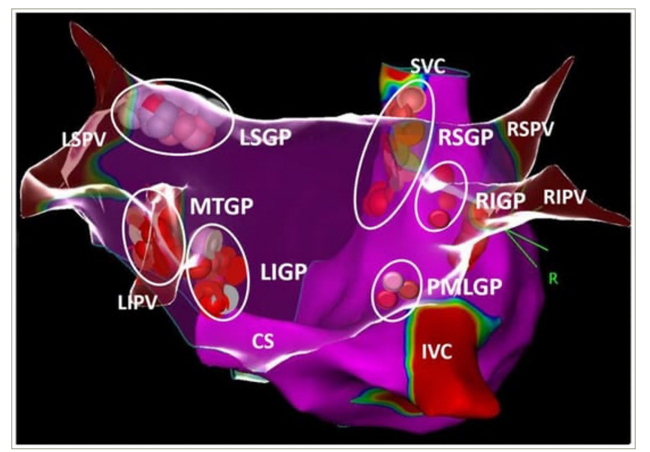
Figure 1: The schematic view of ganglionated plexi

White, pink and red dots show the distribution of ablation points based on fragmented bipolar electrograms Reproduced with permission from Aksu et al.83

CS = coronary sinus; IVC = inferior vena cava; LIGP = left inferior atrial ganglionated plexi; LIPV = left inferior pulmonary vein; LSGP = left superior atrial ganglionated plexi; LSPV = left superior pulmonary vein; MTGP = Marshall tract ganglionated plexi; PMLGP = posteromedial left atrial ganglionated plexi; R = right; RIGP = inferior right atrial ganglionated plexi, RIPV = right inferior pulmonary vein; RSGP = right superior atrial ganglionated plexi; RSPV = right superior pulmonary vein; SVC = superior vena cava.

Autonomic nervous system and atrial fibrillation

The relationship between AF and alterations of ANS has been established.84,85 Coumel et al. hypothesized that changes in vagal tone act as a trigger for AF.86 This has been complemented by early observations of a circadian variation in the AF burden in some individuals, which was hypothesized to be likely linked to changes in autonomic tone throughout the day.87,88 Other signs of ANS involvement in AF are the phenotype of vagal AF, in which the patients are observed to have AF triggered during the periods of bradycardia. These associations have been elucidated by the findings of multiple basic science and clinical studies.64,89,90

Inputs from the ANS have been implicated in the pathogenesis of AF via multiple proposed mechanisms although many questions remain unanswered.4 These include alterations in the action potential duration, induction of rapid firing of early afterdepolarization and changes in atrial refractoriness induced by modifications in parasympathetic tone.91,92 Furthermore, it has been noted that the alteration of autonomic tone via the injection of agents with parasympathetic properties into epicardial fat pads rich in GPs can result in increased inducibility and maintenance of AF.93 Additionally, in vitro canine studies have shown that autonomic nerve stimulation can lead to pulmonary vein firing and induce AF.94

Neuromodulation for the control of atrial fibrillation

Catheter-based therapies with PVI have been the backbone of AF management and are currently recommended by most major societies.3,95,96 However, given the need for additional strategies to improve outcomes in AF, several catheter-based techniques to modulate the ANS have been explored. These include intrinsic neuromodulation within the heart and anatomic nervous inputs originating outside the heart (Table 1).

Table 1: Techniques for neuromodulation in atrial fibrillation

Location

Neuromodulation technique

Cardiac targets

Endocardial ganglionated plexus ablation

Vein of Marshall ethanol infusion

Extracardiac targets

Renal denervation

Stellate ganglion blockade

Baroreflex therapy

Transcutaneous vagal nerve stimulation

Endocardial neuromodulation

One technique gaining traction in the management of AF is neuromodulation via endocardial-targeting GPs. Cardioneuroablation is based on the observation that the heart rate is higher after PVI due to the destruction of GPs. GP might be identified during an electrophysiological study (EPS) via an electrogram analysis. These include the identification of fractionated atria electrograms with one of the following characteristics as outlined in Table 2 and illustrated in Figure 2. Once identified, it can be targeted for radiofrequency ablation using catheter-based techniques.97–100 However, a fragmented electrogram-guided strategy has some limitations in both specificity and sensitivity. Specificity may be limited, as fragmented electrograms may represent the areas of atrial fibrosis, pulmonary vein (PV) potentials or double potentials. Moreover, the adipose tissue surrounding the heart can infiltrate the atrial myocardium, causing heterogeneous activation and resulting in the presence of fragmented electrograms.

Table 2: Characteristics of electrogram to determine the location of ganglionated plexi

EGM characteristics

Criteria

Normal EGM

<4 deflections or ≤40 ms duration

Low-amplitude fractionated EGM

≥4 deflections or >0.7 mV amplitude

High-amplitude fractionated EGM

≥4 deflections, >0.7 mV amplitude or >40 s duration

EGM = electrogram; ms = millisecond; mV = millivolt; s = second.

Figure 2: Three types of bipolar atrial electrogram for ganglionated plexus mapping
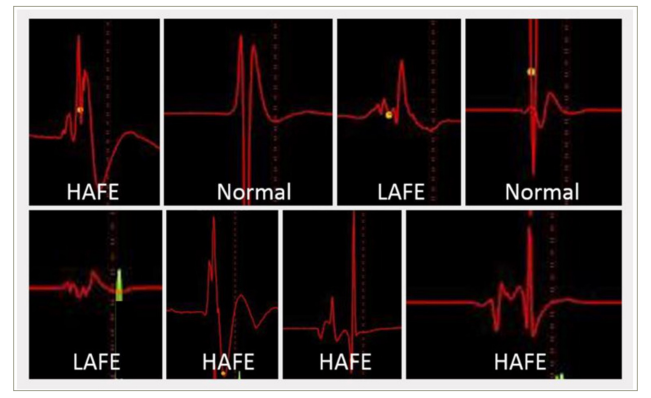
Figure 2: Three types of bipolar atrial electrogram for ganglionated plexus mapping

Reproduced with permission from Aksu et al.83

HAFE = high-amplitude fragmented electrogram; LAFE = low-amplitude fragmented electrogram; Normal = normal atrial electrogram.

The identification of GPs through an EPS may be achieved via high-frequency simulation (HFS), in which case the LA is paced with the ablation catheter at a rate that exceeds the intrinsic sinus rate. Additionally, HFS is applied at -20 Hz, between 10 and 140 V and at a 1–10 ms pulse width in the anatomical regions where GPs are known to present.101

Ablation of these GPs in these locations has been associated with decreased rates of AF when compared with PVI alone, although ablation techniques and acute procedural endpoints tend to vary amongst centres.26,102 Long-term effects of GP ablation performed adjunctive to PVI remain unknown, such as the durability due to the phenomenon of nerve regeneration and reinnervation following RF and cryoablation. As non-thermal technologies for PVI, such as pulsed-field ablation, proliferate in clinical practice, the necessity for deliberate GP ablation may increase as the delivered pulsed electric fields tend to spare GPs when endocardial ablation is performed.41,103,104

Ethanol ablation of the vein of Marshall

There is increasing evidence that intrinsic cardiac innervation via the ANS, which plays a significant role in the pathogenesis of AF, is located in the LA. The ligament of Marshall and its extension as the VOM have been considered parasympathetic and sympathetic inputs and implicated in the pathogenesis of AF by multiple proposed mechanisms.105,106

To examine the parasympathetic denervation via ethanol infusion in the VOM (which connects to the ligament of Marshall), Báez-Escudero et al. performed a retrograde ethanol injection into the VOM at the time of AF ablation. Of the 133 patients enrolled in the study, successful VOM ablation was performed in 80 patients, with acute elimination of parasympathetic responses and AF inducibility.107

From a clinical standpoint, ethanol infusion in the VOM has been shown to have some benefits over catheter ablation alone, as was demonstrated in the Vein of Marshall Ethanol Infusion for Persistent AF (VENUS) trial (ClinicalTrials.gov identifier: NCT01898221) and other studies.8,108 In this randomized single-blinded trial, which included 350 patients with persistent AF, participants were randomized either to catheter ablation alone or to catheter ablation with the addition of ethanol infusion in the VOM. This finding of improved recovery from AF was substantiated by a meta-analysis focused on the long-term outcomes when VOM ethanol infusion was added to PVI compared with PVI alone.109 Regarding safety, a study of 700 patients by Kamakura et al. showed that VOM ethanol infusion was feasible with relatively low complication rates, and the main complication was delayed tamponade at a rate of 0.8%.110 Additional research on this subject continues, with favourable findings suggesting that apart from the addition of VOM ethanol infusion to PVI, AF recurrence could also be decreased further if linear lesion sets are added (dome, mitral and cavotricuspid isthmus).111

Sympathetic denervation

Given the association of AF with heightened sympathetic activity, sympathetic denervation has been evaluated extensively. One explored strategy is renal sympathetic denervation, which is a technique that has been targeted originally for the control of hypertension. However, the results of renal denervation, as demonstrated via the SYMPLICITY HTN-3 trial (Renal Denervation in Patients With Uncontrolled Hypertension; ClinicalTrials.gov identifier: NCT01418261), failed to show blood pressure reductions with renal artery denervation.112

In this approach, ablation at the bifurcation of the renal artery was performed. In the Atrial Fibrillation Reduction by Renal Sympathetic Denervation trial by Feyz et al., following renal artery denervation, the AF burden decreased from 1.39 min/day prior to renal denervation to 0.94 min/day 12 months post-renal denervation (p=0.03).113 This was associated with statistically significant improvements in quality of life.

To substantiate these findings further, the Effect of Renal Denervation and Catheter Ablation versus Ablation alone on Atrial fibrillation Recurrence Among Patients with Paroxysmal Atrial Fibrillation and Hypertension (ERADICATE-AF; ClinicalTrials.gov identifier: NCT01873352) trial was conducted.114 In this trial involving 302 patients, patients were randomized either to PVI alone or to PVI + renal denervation. During the 12 months of follow-up post-procedure, freedom from AF, atrial flutter or atrial tachycardia was observed in 72.1% of patients undergoing renal denervation in addition to PVI, compared with only 56.5% of patients undergoing PVI alone. Interestingly, significant reductions in systolic blood pressure were observed in persons undergoing renal denervation, a finding that was not observed in the Simplicity HTN-3 trial.112 Furthermore, renal denervation has been shown in pilot studies to be a means to prevent subclinical AF in patients with a history of hypertension or heart disease at risk for the development of AF.115 More recently, however, in the long-term follow-up for the AFFORD trial, there was no significant reduction in the AF burden during the 3-year follow-up. In patients with both AF and hypertension, treatment of hypertension should aim for current blood pressure guidelines to reduce stroke, bleeding and other adverse outcomes.116 Considering there were fewer atrial arrhythmia recurrences and better blood pressure control among participants treated with renal denervation and PVI in the ERADICATE-AF trial, renal denervation in addition to PVI might be reasonable in well-selected patients with AF and uncontrolled hypertension.

Stellate ganglion block

Sympathectomy via surgical approaches and percutaneous stellate ganglion block has gained popularity in the management of ventricular tachycardia storm.117–123 This has been shown to have acute benefits in reducing AF inducibility in animal studies and small human trials.124–126 More recently, the use of stellate ganglion block at the time of coronary artery bypass graft was studied in a small randomized controlled trial of 40 patients.124 Participants were randomized either to a control group or to an ultrasound-guided left stellate ganglion block group with the injection of 10 mL of 2% lidocaine. While statistically significant decreases in arrhythmia were observed in the intraoperative period, no difference between the two groups was observed during the early postoperative period.127

Additional neuromodulatory techniques for atrial fibrillation management

While not catheter-based therapies, a few approaches that result in neuromodulation have been examined to augment the standard management of AF, one of which includes transcutaneous vagus nerve stimulation.

The principle governing transcutaneous vagus nerve stimulation is that low levels of stimulation of the vagus nerve can decrease parasympathetic tone and blunt vagally mediated AF.128,129 Beyond alterations in autonomic tone, low-level transcutaneous vagus nerve stimulation (LLTS) has been associated with decreased inflammatory cytokines, which may function as a driver for AF.128 In the Transcutaneous Electrical vAgus nerve sTimulation to suppression Atrial Fibrillation (TREAT AF; ClinicalTrials.gov identifier: NCT02548754) trial, patients were randomized to the LLTS group (20 Hz and 1 mA), in which it was administered via an ear clip (tragus), versus sham. After a 6-month follow-up period, the AF burden was 85% lower in the treatment group versus the sham group (0.15, 95% confidence interval 0.03–0.65, p=0.011).130 In a recently published study, the effect of acupuncture at the auricular branch of the vagus nerve on the autonomic system was investigated in humans. In comparison with placebo acupuncture, acupuncture at the auricular branch of the vagus nerve caused a significant reduction in heart rate and an increase in overall heart rate variability parameters in favour of vagal tone.131 Further investigation on this subject may be worthwhile; however, the potential loss of effect with the cessation of the device use was an unattractive feature. Nonetheless, its role as an adjunct tool for AF management in select patients might be considered if its utility is validated in large studies.

Summary position

According to the published literature, endocardial ablation of GPs in conjunction with PVI confers a higher success rate than the PVI-alone strategy when treating patients with paroxysmal AF.102,132 On the other hand, endocardial ablation of GPs without PVI or surgical GP ablation has no role in clinical success.102,133 Although the published data to date do not yet support endocardial GP ablation as an alternative to PVI, in appropriately selected subgroups of patients, endocardial GP ablation in addition to PVI might be a potential alternative to PVI-alone strategy.

VOM ethanol ablation in addition to PVI may play an important role in preventing AF recurrence in patients with persistent AF and might be used as a first-line strategy in patients with persistent AF. Adding renal denervation to PVI should only be an option in patients with AF with accompanying uncontrolled hypertension. Larger randomized controlled studies are needed to define suitable candidates for these alternative strategies.

Conclusion

As our quest for improved outcomes in AF continues, developing management strategies to tackle the disease process on its multiple pathophysiological fronts is warranted. While not universally applicable, neuromodulation as an additive strategy in appropriately selected patient populations may be useful.
3

References

List View
Grid View
1
Copy DOIDOI Copied
Visit DOI Link

 Go AS, Hylek EM, Phillips KA, et al. Prevalence of diagnosed atrial fibrillation in adults: National implications for rhythm management and stroke prevention: The anTicoagulation and Risk Factors in Atrial Fibrillation (ATRIA) study. JAMA. 2001;285:2370–5. DOI: 10.1001/jama.285.18.2370.

2
Copy DOIDOI Copied
Visit DOI Link

 Tanaka Y, Shah NS, Passman R, et al. Trends in cardiovascular mortality related to atrial fibrillation in the United States. J Am Heart Assoc. 2021;10:e020163. DOI: 10.1161/JAHA.120.020163.

3
Copy DOIDOI Copied
Visit DOI Link

 Lévy S, Steinbeck G, Santini L, et al. Management of atrial fibrillation: Two decades of progress—A scientific statement from the European Cardiac Arrhythmia Society. J Interv Card Electrophysiol. 2022;65:287–326. DOI: 10.1007/s10840-022-01195-z.

4
Copy DOIDOI Copied
Visit DOI Link

 Wakili R, Voigt N, Kääb S, et al. Recent advances in the molecular pathophysiology of atrial fibrillation. J Clin Invest. 2011;121:2955–68. DOI: 10.1172/JCI46315.

5
Copy DOIDOI Copied
Visit DOI Link

 Iwasaki Y, Nishida K, Kato T, et al. Atrial fibrillation pathophysiology. Circulation. 2011;124:2264–74. DOI: 10.1161/CIRCULATIONAHA.111.019893.

6
Copy DOIDOI Copied
Visit DOI Link

 Nattel S. New ideas about atrial fibrillation 50 years on. Nature. 2002;415:219–26. DOI: 10.1038/415219a.

7
Copy DOIDOI Copied
Visit DOI Link

 Haines DE, Kong MH, Ruppersberg P, et al. Electrographic flow mapping for atrial fibrillation: Theoretical basis and preliminary observations. J Interv Card Electrophysiol. 2023;66:1015–28. DOI: 10.1007/s10840-022-01308-8.

8
Copy DOIDOI Copied
Visit DOI Link

 Valderrábano M, Peterson LE, Swarup V, et al. Effect of catheter ablation with vein of Marshall ethanol infusion vs catheter ablation alone on persistent atrial fibrillation: The VENUS randomized clinical trial. JAMA. 2020;324:1620–8. DOI: 10.1001/jama.2020.16195.

9
Copy DOIDOI Copied
Visit DOI Link

 Nakamura K, Sasaki T, Minami K, et al. Incidence, distribution, and electrogram characteristics of endocardial-epicardial connections identified by ultra-high-resolution mapping during a left atrial posterior wall isolation of atrial fibrillation. J Interv Card Electrophysiol. 2023. DOI: 10.1007/s10840-023-01663-0.

10
Copy DOIDOI Copied
Visit DOI Link

 Narayan SM, Krummen DE, Rappel WJ. Clinical mapping approach to diagnose electrical rotors and focal impulse sources for human atrial fibrillation. J Cardiovasc Electrophysiol. 2012;23:447–54. DOI: 10.1111/j.1540-8167.2012.02332.x.

11
Copy DOIDOI Copied
Visit DOI Link

 Riku S, Inden Y, Yanagisawa S, et al. Distributions and number of drivers on real-time phase mapping associated with successful atrial fibrillation termination during catheter ablation for non-paroxysmal atrial fibrillation. J Interv Card Electrophysiol. 2024;67:303–17. DOI: 10.1007/s10840-023-01588-8.

12
Copy DOIDOI Copied
Visit DOI Link

 Kawai S, Mukai Y, Inoue S, et al. Non-pulmonary vein triggers of atrial fibrillation are likely to arise from low-voltage areas in the left atrium. Sci Rep. 2019;9:12271. DOI: 10.1038/s41598-019-48669-1.

13
Copy DOIDOI Copied
Visit DOI Link

 Kim MY, Aksu T. Ganglionated plexus ablation and pulmonary vein isolation: The future of AF ablation. J Interv Card Electrophysiol. 2022;2022:1–3. DOI: 10.1007/s10840-022-01253-6.

14
Copy DOIDOI Copied
Visit DOI Link

 Haïssaguerre M, Jaïs P, Shah DC, et al. Spontaneous initiation of atrial fibrillation by ectopic beats originating in the pulmonary veins. N Engl J Med. 1998;339:659–66. DOI: 10.1056/NEJM199809033391003.

15
Copy DOIDOI Copied
Visit DOI Link

 Vanam S, Darden D, Munir MB, et al. Characteristics and outcomes of recurrent atrial fibrillation after prior failed pulmonary vein isolation. J Interv Card Electrophysiol. 2022;64:715–22. DOI: 10.1007/s10840-022-01160-w.

16
Copy DOIDOI Copied
Visit DOI Link

 Verma A, Jiang C, Betts TR, et al. Approaches to catheter ablation for persistent atrial fibrillation. N Engl J Med. 2015;372:1812–22. DOI: 10.1056/NEJMoa1408288.

17
Copy DOIDOI Copied
Visit DOI Link

 Spittler R, Bahlke F, Hoffmann BA, et al. Durable pulmonary vein isolation but not complex substrate ablation determines the type of arrhythmia recurrence after persistent atrial fibrillation ablation. J Interv Card Electrophysiol. 2022;64:417–26. DOI: 10.1007/s10840-021-01048-1.

18
Copy DOIDOI Copied
Visit DOI Link

 Ikenouchi T, Nitta J, Inaba O, et al. Effect of isolation feasibility of non-pulmonary vein foci on efficacy of ablation for atrial fibrillation: Comparison of the isolation and focal ablation methods. J Interv Card Electrophysiol. 2022;65:441–51. DOI: 10.1007/s10840-022-01217-w.

19
Copy DOIDOI Copied
Visit DOI Link

 Kistler PM, Chieng D, Sugumar H, et al. Effect of catheter ablation using pulmonary vein isolation with vs without posterior left atrial wall isolation on atrial arrhythmia recurrence in patients with persistent atrial fibrillation: The CAPLA randomized clinical trial. JAMA. 2023;329:127. DOI: 10.1001/jama.2022.23722.

20
Copy DOIDOI Copied
Visit DOI Link

 Wu S, Li H, Yi S, et al. Comparing the efficacy of catheter ablation strategies for persistent atrial fibrillation: A Bayesian analysis of randomized controlled trials. J Interv Card Electrophysiol. 2023;66:757–70. DOI: 10.1007/s10840-022-01246-5.

21
Copy DOIDOI Copied
Visit DOI Link

 Weng W, Birnie DH, Ramirez FD, et al. Outcomes of a comprehensive strategy during repeat atrial fibrillation ablation. J Interv Card Electrophysiol. 2022;65:391–9. DOI: 10.1007/s10840-022-01190-4.

22
Copy DOIDOI Copied
Visit DOI Link

 Goyal R, Gracia E, Fan R. The role of superior vena cava isolation in the management of atrial fibrillation. J Innov Card Rhythm Manag. 2017;8:2674–80. DOI: 10.19102/icrm.2017.080406.

23
Copy DOIDOI Copied
Visit DOI Link

 Gianni C, Sanchez JE, Mohanty S, et al. Isolation of the superior vena cava from the right atrial posterior wall: A novel ablation approach. EP Europace. 2018;20:e124–32. DOI: 10.1093/europace/eux262.

24
Copy DOIDOI Copied
Visit DOI Link

 Knecht S, Zeljkovic I, Badertscher P, et al. Role of empirical isolation of the superior vena cava in patients with recurrence of atrial fibrillation after pulmonary vein isolation—A multi-center analysis. J Interv Card Electrophysiol. 2023;66:435–43. DOI: 10.1007/s10840-022-01314-w.

25
Copy DOIDOI Copied
Visit DOI Link

 Starek Z, Di Cori A, Betts TR, et al. Baseline left atrial low-voltage area predicts recurrence after pulmonary vein isolation: WAVE-MAP AF results. Europace. 2023;25:1–11. DOI: 10.1093/europace/euad194.

26
Copy DOIDOI Copied
Visit DOI Link

 Rackley J, Nudy M, Gonzalez MD, et al. Pulmonary vein isolation with adjunctive left atrial ganglionic plexus ablation for treatment of atrial fibrillation: A meta-analysis of randomized controlled trials. J Int Card Electrophysiol. 2023;66:333–42. DOI: 10.1007/S10840-022-01212-1/FIGURES/6.

27
Copy DOIDOI Copied
Visit DOI Link

 Sunaga A, Masuda M, Inoue K, et al. The efficacy and safety of left atrial low-voltage area guided ablation for recurrence prevention compared to pulmonary vein isolation alone in patients with persistent atrial fibrillation trial: Design and rationale. Clin Cardiol. 2021;44:1249–55. DOI: 10.1002/clc.23677.

28
Copy DOIDOI Copied
Visit DOI Link

 Ravi V, Poudyal A, Abid Q-U-A, et al. High-power short duration vs. conventional radiofrequency ablation of atrial fibrillation: A systematic review and meta-analysis. Europace. 2021;23:710–21. DOI: 10.1093/europace/euaa327.

29
Copy DOIDOI Copied
Visit DOI Link

 Schaack D, Schmidt B, Tohoku S, et al. Pulsed field ablation for atrial fibrillation. Arrhythm Electrophysiol Rev. 2023;12:e11. DOI: 10.15420/aer.2022.45.

30
Copy DOIDOI Copied
Visit DOI Link

 Reddy VY, Gerstenfeld EP, Natale A, et al. Pulsed field or conventional thermal ablation for paroxysmal atrial fibrillation. N Engl J Med. 2023;389:1660–71. DOI: 10.1056/NEJMoa2307291.

31
Copy DOIDOI Copied
Visit DOI Link

 Verma A, Haines DE, Boersma LV, et al. Pulsed field ablation for the treatment of atrial fibrillation: PULSED AF pivotal trial. Circulation. 2023;147:1422–32. DOI: 10.1161/CIRCULATIONAHA.123.063988.

32
Copy DOIDOI Copied
Visit DOI Link

 Aldaas OM, Malladi C, Han FT, et al. Pulsed field ablation versus thermal energy ablation for atrial fibrillation: A systematic review and meta-analysis of procedural efficiency, safety, and efficacy. J Interv Card Electrophysiol. 2023;1–10. DOI: 10.1007/s10840-023-01660-3.

33
Copy DOIDOI Copied
Visit DOI Link

 Ekanem E, Reddy VY, Schmidt B, et al. Multi-national survey on the methods, efficacy, and safety on the post-approval clinical use of pulsed field ablation (MANIFEST-PF). EP Europace. 2022;24:1256–66. DOI: 10.1093/europace/euac050.

34
Copy DOIDOI Copied
Visit DOI Link

 Turagam MK, Neuzil P, Schmidt B, et al. Safety and effectiveness of pulsed field ablation to treat atrial fibrillation: One-year outcomes from the MANIFEST-PF registry. Circulation. 2023;148:35–46. DOI: 10.1161/CIRCULATIONAHA.123.064959.

35
Copy DOIDOI Copied
Visit DOI Link

 Kreidieh O, Varley AL, Romero J, et al. Practice patterns of operators participating in the real-world experience of catheter ablation for treatment of symptomatic paroxysmal and persistent atrial fibrillation (REAL-AF) registry. J Interv Card Electrophysiol. 2022;65:429–40. DOI: 10.1007/s10840-022-01205-0.

36
Copy DOIDOI Copied
Visit DOI Link

 Andrade JG, Wells GA, Deyell MW, et al. Cryoablation or drug therapy for initial treatment of atrial fibrillation. N Engl J Med. 2021;384:305–15. DOI: 10.1056/NEJMoa2029980.

37
Copy DOIDOI Copied
Visit DOI Link

 Kirchhof P, Camm AJ, Goette A, et al. Early rhythm-control therapy in patients with atrial fibrillation. N Engl J Med. 2020;383:1305–16. DOI: 10.1056/NEJMoa2019422.

38
Copy DOIDOI Copied
Visit DOI Link

 Baysal E, Okşul M, Burak C, et al. Decreasing time between first diagnosis of paroxysmal atrial fibrillation and cryoballoon ablation positively affects long-term consequences. J Interv Card Electrophysiol. 2022;65:365–72. DOI: 10.1007/s10840-022-01167-3.

39
Copy DOIDOI Copied
Visit DOI Link

 Chen PS, Chen LS, Fishbein MC, et al. Role of the autonomic nervous system in atrial fibrillation: Pathophysiology and therapy. Circ Res. 2014;114:1500–15. DOI: 10.1161/CIRCRESAHA.114.303772.

40
Copy DOIDOI Copied
Visit DOI Link

 Aksu T, Skeete JR, Huang HH. Ganglionic plexus ablation: A step-by-step guide for electrophysiologists and review of modalities for neuromodulation for the management of atrial fibrillation. Arrhythm Electrophysiol Rev. 2023;12. DOI: 10.15420/aer.2022.37.

41
Copy DOIDOI Copied
Visit DOI Link

 Musikantow DR, Reddy VY, Skalsky I, et al. Targeted ablation of epicardial ganglionated plexi during cardiac surgery with pulsed field electroporation (NEURAL AF). J Interv Card Electrophysiol. 2023;2023:1–8. DOI: 10.1007/s10840-023-01615-8.

42
Copy DOIDOI Copied
Visit DOI Link

 Kim M-Y, Coyle C, Tomlinson DR, et al. Ectopy-triggering ganglionated plexuses ablation to prevent atrial fibrillation: GANGLIA-AF study. Heart Rhythm. 2022;19:516–24. DOI: 10.1016/j.hrthm.2021.12.010.

43
Copy DOIDOI Copied
Visit DOI Link

 Mohammadieh AM, Dissanayake HU, Sutherland K, et al. Does obstructive sleep apnoea modulate cardiac autonomic function in paroxysmal atrial fibrillation J Interv Card Electrophysiol. 2023;66:873–83. DOI: 10.1007/s10840-022-01202-3.

44
Copy DOIDOI Copied
Visit DOI Link

 Yamanaka K, Nishina T, Iwakura A, et al. Long-term results of the maze procedure with GP ablation for permanent atrial fibrillation. Gen Thorac Cardiovasc Surg. 2021;69:230–7. DOI: 10.1007/s11748-020-01438-8.

45
Copy DOIDOI Copied
Visit DOI Link

 Mehall JR, Kohut RM, Schneeberger EW, et al. Intraoperative epicardial electrophysiologic mapping and isolation of autonomic ganglionic plexi. Ann Thorac Surg. 2007;83:538–41. DOI: 10.1016/j.athoracsur.2006.09.022.

46
Copy DOIDOI Copied
Visit DOI Link

 Katritsis DG, Giazitzoglou E, Zografos T, et al. Rapid pulmonary vein isolation combined with autonomic ganglia modification: A randomized study. Heart Rhythm. 2011;8:672–8. DOI: 10.1016/j.hrthm.2010.12.047.

47
Copy DOIDOI Copied
Visit DOI Link

 Bussa R, Nudy M, Ahmed M, et al. Pulmonary vein isolation plus adjunctive therapy for the treatment of atrial fibrillation: A systematic review and meta-analysis. J Interv Card Electrophysiol. n.d. DOI: 10.1007/s10840-023-01609-6.

48
Copy DOIDOI Copied
Visit DOI Link

 Coote JH. Landmarks in understanding the central nervous control of the cardiovascular system. Exp Physiol. 2007;92:3–18. DOI: 10.1113/expphysiol.2006.035378.

49
Copy DOIDOI Copied
Visit DOI Link

 Samuels MA. The brain–heart connection. Circulation. 2007;116:77–84. DOI: 10.1161/CIRCULATIONAHA.106.678995.

50
Copy DOIDOI Copied
Visit DOI Link

 Palma JA, Benarroch EE. Neural control of the heart: Recent concepts and clinical correlations. Neurology. 2014;83:261–71. DOI: 10.1212/WNL.0000000000000605.

51
Copy DOIDOI Copied
Visit DOI Link

 Augustine JR. Circuitry and functional aspects of the insular lobe in primates including humans. Brain Res Brain Res Rev. 1996;22:229–44. DOI: 10.1016/s0165-0173(96)00011-2.

52
Copy DOIDOI Copied
Visit DOI Link

 Verberne AJM, Owens NC. Cortical modulation of the cardiovascular system. Prog Neurobiol. 1998;54:149–68. DOI: 10.1016/s0301-0082(97)00056-7.

53
Copy DOIDOI Copied
Visit DOI Link

 Allen GV, Saper CB, Hurley KM, et al. Organization of visceral and limbic connections in the insular cortex of the rat. J Comp Neurol. 1991;311:1–16. DOI: 10.1002/cne.903110102.

54
Copy DOIDOI Copied
Visit DOI Link

 Cerliani L, Thomas RM, Jbabdi S, et al. Probabilistic tractography recovers a rostrocaudal trajectory of connectivity variability in the human insular cortex. Hum Brain Mapp. 2012;33:2005–34. DOI: 10.1002/hbm.21338.

55
Copy DOIDOI Copied
Visit DOI Link

 Chouchou F, Mauguière F, Vallayer O, et al. How the insula speaks to the heart: Cardiac responses to insular stimulation in humans. Hum Brain Mapp. 2019;40:2611–22. DOI: 10.1002/hbm.24548.

56
Copy DOIDOI Copied
Visit DOI Link

 Tahsili-Fahadan P, Geocadin RG. Heart–brain axis. Circ Res. 2017;120:559–72. DOI: 10.1161/CIRCRESAHA.116.308446.

57
Copy DOIDOI Copied
Visit DOI Link

 Bers DM. Cardiac excitation–contraction coupling. Nature. 2002;415:198–205. DOI: 10.1038/415198a.

58
Copy DOIDOI Copied
Visit DOI Link

 Marx SO, Kurokawa J, Reiken S, et al. Requirement of a macromolecular signaling complex for beta adrenergic receptor modulation of the KCNQ1-KCNE1 potassium channel. Science. 2002;295:496–9. DOI: 10.1126/science.1066843.

59
Copy DOIDOI Copied
Visit DOI Link

 Yoon BW, Morillo CA, Cechetto DF, et al. Cerebral hemispheric lateralization in cardiac autonomic control. Arch Neurol. 1997;54:741–4. DOI: 10.1001/archneur.1997.00550180055012.

60
Copy DOIDOI Copied
Visit DOI Link

 Li D, Lu C-J, Hao G, et al. Efficacy of B-type natriuretic peptide is coupled to phosphodiesterase 2A in cardiac sympathetic neurons. Hypertension. 2015;66:190–8. DOI: 10.1161/HYPERTENSIONAHA.114.05054.

61
Copy DOIDOI Copied
Visit DOI Link

 Taggart P, Sutton P, Chalabi Z, et al. Effect of adrenergic stimulation on action potential duration restitution in humans. Circulation. 2003;107:285–9. DOI: 10.1161/01.cir.0000044941.13346.74.

62
Copy DOIDOI Copied
Visit DOI Link

 Opthof T, Dekker LR, Coronel R, et al. Interaction of sympathetic and parasympathetic nervous system on ventricular refractoriness assessed by local fibrillation intervals in the canine heart. Cardiovasc Res. 1993;27:753–9. DOI: 10.1093/cvr/27.5.753.

63
Copy DOIDOI Copied
Visit DOI Link

 Oppenheimer SM, Wilson JX, Guiraudon C, et al. Insular cortex stimulation produces lethal cardiac arrhythmias: A mechanism of sudden death. Brain Res. 1991;550:115–21. DOI: 10.1016/0006-8993(91)90412-o.

64
Copy DOIDOI Copied
Visit DOI Link

 Goldberger JJ, Arora R, Buckley U, et al. Autonomic nervous system dysfunction: JACC focus seminar. J Am Coll Cardiol. 2019;73:1189–206. DOI: 10.1016/j.jacc.2018.12.064.

65
Copy DOIDOI Copied
Visit DOI Link

 Soteriades ES, Evans JC, Larson MG, et al. Incidence and prognosis of syncope. N Engl J Med. 2002;347:878–85. DOI: 10.1056/NEJMoa012407.

66
Copy DOIDOI Copied
Visit DOI Link

 Brignole M, Moya A, de Lange FJ, et al. ESC guidelines for the diagnosis and management of syncope. Eur Heart J. 2018;39:1883–948. DOI: 10.1093/eurheartj/ehy037.

67
Copy DOIDOI Copied
Visit DOI Link

 Sutton R, de Jong JSY, Stewart JM. Pacing in vasovagal syncope: Physiology, pacemaker sensors, and recent clinical trials—Precise patient selection and measurable benefit. Heart Rhythm. 2020;17:821–8. DOI: 10.1016/j.hrthm.2020.01.029.

68
Copy DOIDOI Copied
Visit DOI Link

 PachonMJC, PachonMEI, Cunha Pachon MZ, et al. Catheter ablation of severe neurally meditated reflex (neurocardiogenic or vasovagal) syncope: Cardioneuroablation long-term results. Europace. 2011;13:1231–42. DOI: 10.1093/europace/eur163.

69
Copy DOIDOI Copied
Visit DOI Link

 Aksu T, Mutluer FO, Huang H. Cardioneuroablation for the treatment of vasovagal syncope and sinus bradycardia with atrial escape. J Interv Card Electrophysiol. 2022. DOI: 10.1007/s10840-022-01198-w.

70
Copy DOIDOI Copied
Visit DOI Link

 Sposato LA, Klein FR, Jáuregui A, et al. Newly diagnosed atrial fibrillation after acute ischemic stroke and transient ischemic attack: Importance of immediate and prolonged continuous cardiac monitoring. J Stroke Cerebrovasc Dis. 2012;21:210–6. DOI: 10.1016/j.jstrokecerebrovasdis.2010.06.010.

71
Copy DOIDOI Copied
Visit DOI Link

 Scheitz JF, Erdur H, Haeusler KG, et al. Insular cortex lesions, cardiac troponin, and detection of previously unknown atrial fibrillation in acute ischemic stroke. Stroke. 2015;46:1196–201. DOI: 10.1161/STROKEAHA.115.008681.

72
Copy DOIDOI Copied
Visit DOI Link

 Prosser J, MacGregor L, Lees KR, et al. Predictors of early cardiac morbidity and mortality after ischemic stroke. Stroke. 2007;38:2295–302. DOI: 10.1161/STROKEAHA.106.471813.

73
Copy DOIDOI Copied
Visit DOI Link

 Velagapudi P, Turagam M, Laurence T, et al. Cardiac arrhythmias and sudden unexpected death in epilepsy (SUDEP). Pacing Clin Electrophysiol. 2012;35:363–70. DOI: 10.1111/j.1540-8159.2011.03276.x.

74
Copy DOIDOI Copied
Visit DOI Link

 Kang D-Y, Oh I-Y, Lee S-R, et al. Recurrent syncope triggered by temporal lobe epilepsy: Ictal bradycardia syndrome. Korean Circ J. 2012;42:349. DOI: 10.4070/kcj.2012.42.5.349.

75
Copy DOIDOI Copied
Visit DOI Link

 Shorvon S, Tomson T. Sudden unexpected death in epilepsy. The Lancet. 2011;378:2028–38. DOI: 10.1016/S0140-6736(11)60176-1.

76
Copy DOIDOI Copied
Visit DOI Link

 Allana SS, Ahmed HN, Shah K, et al. Ictal bradycardia and atrioventricular block: A cardiac manifestation of epilepsy. Oxf Med Case Reports. 2014;2014:33–5. DOI: 10.1093/omcr/omu015.

77
Copy DOIDOI Copied
Visit DOI Link

 Ng GA, Ng GA. Vagal modulation of cardiac ventricular arrhythmia. Exp Physiol. 2014;99:295–9. DOI: 10.1113/expphysiol.2013.072652.

78
Copy DOIDOI Copied
Visit DOI Link

 Shields RW. Functional anatomy of the autonomic nervous system. J Clin Neurophysiol. 1993;10:2–13. DOI: 10.1097/00004691-199301000-00002.

79
Copy DOIDOI Copied
Visit DOI Link

 Stavrakis S, Po S. Ganglionated plexi ablation: Physiology and clinical applications. Arrhythm Electrophysiol Rev. 2017;6:186–90. DOI: 10.15420/aer2017.26.1.

80
Copy DOIDOI Copied
Visit DOI Link

 Armour JA, Murphy DA, Yuan BX, et al. Gross and microscopic anatomy of the human intrinsic cardiac nervous system. Anat Rec. 1997;247:289–98. DOI: 10.1002/(SICI)1097-0185(199702)247:2<289::AID-AR15>3.0.CO;2-L.

81
Copy DOIDOI Copied
Visit DOI Link

 Aksu T, Gupta D, Skeete JR, et al. Intrinsic cardiac neuromodulation in the management of atrial fibrillation. Life. 2023;13:383. DOI: 10.3390/life13020383.

82
Copy DOIDOI Copied
Visit DOI Link

 Hou Y, Scherlag BJ, Lin J, et al. Ganglionated plexi modulate extrinsic cardiac autonomic nerve input: Effects on sinus rate, atrioventricular conduction, refractoriness, and inducibility of atrial fibrillation. J Am Coll Cardiol. 2007;50:61–8. DOI: 10.1016/j.jacc.2007.02.066.

83
Copy DOIDOI Copied
Visit DOI Link

 Cho Y, Cha MJ, Choi EK, et al. Effects of low-intensity autonomic nerve stimulation on atrial electrophysiology. Korean Circ J. 2014;44:243–9. DOI: 10.4070/kcj.2014.44.4.243.

84
Copy DOIDOI Copied
Visit DOI Link

 Coumel P, Attuel P, Lavallée J, et al. The atrial arrhythmia syndrome of vagal origin. Arch Mal Coeur Vaiss. 1978;71:645–56. Available at: https://europepmc.org/article/med/28709.

85
Copy DOIDOI Copied
Visit DOI Link

 Yamashita T, Murakawa Y, Sezaki K, et al. Circadian variation of paroxysmal atrial fibrillation. Circulation. 1997;96:1537–41. DOI: 10.1161/01.CIR.96.5.1537.

86
Copy DOIDOI Copied
Visit DOI Link

 Khan AA, Lip GYH, Shantsila A. Heart rate variability in atrial fibrillation: The balance between sympathetic and parasympathetic nervous system. Eur J Clin Invest. 2019;49:11. DOI: 10.1111/eci.13174.

87
Copy DOIDOI Copied
Visit DOI Link

 Schauerte P, Scherlag BJ, Patterson E, et al. Focal atrial fibrillation: Experimental evidence for a pathophysiologic role of the autonomic nervous system. J Cardiovasc Electrophysiol. 2001;12:592–9. DOI: 10.1046/j.1540-8167.2001.00592.x.

88
Copy DOIDOI Copied
Visit DOI Link

 Tan AY, Zhou S, Ogawa M, et al. Neural mechanisms of paroxysmal atrial fibrillation and paroxysmal atrial tachycardia in ambulatory canines. Circulation. 2008;118:916–25. DOI: 10.1161/CIRCULATIONAHA.108.776203.

89
Copy DOIDOI Copied
Visit DOI Link

 Quan KJ, Lee JH, Geha AS, et al. Characterization of sinoatrial parasympathetic innervation in humans. J Cardiovasc Electrophysiol. 1999;10:1060–5. DOI: 10.1111/j.1540-8167.1999.tb00278.x.

90
Copy DOIDOI Copied
Visit DOI Link

 Zhou J, Scherlag BJ, Edwards J, et al. Gradients of atrial refractoriness and inducibility of atrial fibrillation due to stimulation of ganglionated plexi. J Cardiovasc Electrophysiol. 2007;18:83–90. DOI: 10.1111/j.1540-8167.2006.00679.x.

91
Copy DOIDOI Copied
Visit DOI Link

 Po SS, Scherlag BJ, Yamanashi WS, et al. Experimental model for paroxysmal atrial fibrillation arising at the pulmonary vein-atrial junctions. Heart Rhythm. 2006;3:201–8. DOI: 10.1016/j.hrthm.2005.11.008.

92
Copy DOIDOI Copied
Visit DOI Link

 Patterson E, Po SS, Scherlag BJ, et al. Triggered firing in pulmonary veins initiated by in vitro autonomic nerve stimulation. Heart Rhythm. 2005;2:624–31. DOI: 10.1016/j.hrthm.2005.02.012.

93
Copy DOIDOI Copied
Visit DOI Link

 Hindricks G, Potpara T, Kirchhof P, et al. ESC Guidelines for the diagnosis and management of atrial fibrillation developed in collaboration with the European Association for Cardio-Thoracic surgery (EACTS): The Task Force for the diagnosis and management of atrial fibrillation of the European Society of Cardiology (ESC) developed with the special contribution of the European Heart Rhythm Association (EHRA) of the ESC. Eur Heart J. 2020;373–498. DOI: 10.1093/EURHEARTJ/EHAA612.

94
Copy DOIDOI Copied
Visit DOI Link

 Members WC, José A, Joglar MFFF M. ACC/AHA/ACCP/HRS guideline for the diagnosis and management of atrial fibrillation: A report of the American College of Cardiology/American Heart Association joint committee on clinical practice guidelines. J Am Coll Cardiol. 2024;83:109–279. DOI: 10.1016/j.jacc.2023.08.017.

95
Copy DOIDOI Copied
Visit DOI Link

 Po SS, Nakagawa H, Jackman WM. Localization of left atrial ganglionated plexi in patients with atrial fibrillation. J Cardiovasc Electrophysiol. 2009;20:1186–9. DOI: 10.1111/j.1540-8167.2009.01515.x.

96
Copy DOIDOI Copied
Visit DOI Link

 Lemery R, Birnie D, Tang ASL, et al. Feasibility study of endocardial mapping of ganglionated plexuses during catheter ablation of atrial fibrillation. Heart Rhythm. 2006;3:387–96. DOI: 10.1016/j.hrthm.2006.01.009.

97
Copy DOIDOI Copied
Visit DOI Link

 PachonMJC, PachonMEI, PachonMJC, et al. A new treatment for atrial fibrillation based on spectral analysis to guide the catheter RF-ablation. Europace. 2004;6:590–601. DOI: 10.1016/j.eupc.2004.08.005.

98
Copy DOIDOI Copied
Visit DOI Link

 Francia P, Viveros D, Falasconi G, et al. Clinical impact of aging on outcomes of cardionEuroabLation for reflex syncope or functional bradycardia: Results from the cardionEuroabLation: Patient selection, imaGe integrAtioN and outComEs—The ELEGANCE multicenter study. Heart Rhythm. 2023;20:1279–86. DOI: 10.1016/j.hrthm.2023.06.007.

99
Copy DOIDOI Copied
Visit DOI Link

 Lellouche N, Buch E, Celigoj A, et al. Functional characterization of atrial electrograms in sinus rhythm delineates sites of parasympathetic innervation in patients with paroxysmal atrial fibrillation. J Am Coll Cardiol. 2007;50:1324–31. DOI: 10.1016/j.jacc.2007.03.069.

100
Copy DOIDOI Copied
Visit DOI Link

 Katritsis DG, Pokushalov E, Romanov A, et al. Autonomic denervation added to pulmonary vein isolation for paroxysmal atrial fibrillation: A randomized clinical trial. J Am Coll Cardiol. 2013;62:2318–25. DOI: 10.1016/j.jacc.2013.06.053.

101
Copy DOIDOI Copied
Visit DOI Link

 Li W, Fan Q, Ji Z, et al. The effects of irreversible electroporation (IRE) on nerves. PLoS One. 2011;6:e18831. DOI: 10.1371/journal.pone.0018831.

102
Copy DOIDOI Copied
Visit DOI Link

 Stojadinović P, Wichterle D, Peichl P, et al. Autonomic changes are more durable after radiofrequency than pulsed electric field pulmonary vein ablation. JACC Clin Electrophysiol. 2022;8:895–904. DOI: 10.1016/j.jacep.2022.04.017.

103
Copy DOIDOI Copied
Visit DOI Link

 Ulphani JS, Arora R, Cain JH, et al. The ligament of Marshall as a parasympathetic conduit. Am J Physiol Heart Circ Physiol. 2007;293:H1629–35. DOI: 10.1152/ajpheart.00139.2007.

104
Copy DOIDOI Copied
Visit DOI Link

 Kim DT, Lai AC, Hwang C, et al. The ligament of Marshall: A structural analysis in human hearts with implications for atrial arrhythmias. J Am Coll Cardiol. 2000;36:1324–7. DOI: 10.1016/s0735-1097(00)00819-6.

105
Copy DOIDOI Copied
Visit DOI Link

 Báez-Escudero JL, Keida T, Dave AS, et al. Ethanol infusion in the vein of Marshall leads to parasympathetic denervation of the human left atrium: Implications for atrial fibrillation. J Am Coll Cardiol. 2014;63:1892–901. DOI: 10.1016/j.jacc.2014.01.032.

106
Copy DOIDOI Copied
Visit DOI Link

 Leyton-Mange JS, Tandon K, Sze EY, et al. The Maine vein of Marshall ethanol experience: Learning curve and safety. J Interv Card Electrophysiol. 2023;66:661–71. DOI: 10.1007/s10840-022-01378-8.

107
Copy DOIDOI Copied
Visit DOI Link

 Li F, Sun J-Y, Wu L-D, et al. The long-term outcomes of ablation with vein of Marshall ethanol infusion vs. ablation alone in patients with atrial fibrillation: A meta-analysis. Front Cardiovasc Med. 2022;9. DOI: 10.3389/fcvm.2022.871654.

108
Copy DOIDOI Copied
Visit DOI Link

 Kamakura T, Derval N, Duchateau J, et al. Vein of Marshall ethanol infusion: Feasibility, pitfalls, and complications in over 700 patients. Circ Arrhythm Electrophysiol. 2021;14:e010001. DOI: 10.1161/CIRCEP.121.010001.

109
Copy DOIDOI Copied
Visit DOI Link

 Clarnette JA, Brooks AG, Mahajan R, et al. Outcomes of persistent and long-standing persistent atrial fibrillation ablation: A systematic review and meta-analysis. Europace. 2018;20:f366–76. DOI: 10.1093/europace/eux297.

110
Copy DOIDOI Copied
Visit DOI Link

 Bhatt DL, Kandzari DE, O’Neill WW, et al. A controlled trial of renal denervation for resistant hypertension. N Engl J Med. 2014;370:1393–401. DOI: 10.1056/NEJMoa1402670.

111
Copy DOIDOI Copied
Visit DOI Link

 Feyz L, Theuns DA, Bhagwandien R, et al. Atrial fibrillation reduction by renal sympathetic denervation: 12 months’ results of the AFFORD study. Clin Res Cardiol. 2019;108:634–42. DOI: 10.1007/s00392-018-1391-3.

112
Copy DOIDOI Copied
Visit DOI Link

 Steinberg JS, Shabanov V, Ponomarev D, et al. Effect of renal denervation and catheter ablation vs catheter ablation alone on atrial fibrillation recurrence among patients with paroxysmal atrial fibrillation and hypertension: The ERADICATE-AF randomized clinical trial. JAMA. 2020;323:248–55. DOI: 10.1001/jama.2019.21187.

113
Copy DOIDOI Copied
Visit DOI Link

 Heradien M, Mahfoud F, Greyling C, et al. Renal denervation prevents subclinical atrial fibrillation in patients with hypertensive heart disease: Randomized, sham-controlled trial. Heart Rhythm. 2022;19:1765–73. DOI: 10.1016/j.hrthm.2022.06.031.

114
Copy DOIDOI Copied
Visit DOI Link

 Whelton PK, Carey RM, Aronow WS, et al. 2017 ACC/AHA/AAPA/ABC/ACPM/AGS/Apha/ASH/ASPC/NMA/PCNA guideline for the prevention, detection, evaluation, and management of high blood pressure in adults: A report of the American college of cardiology/American heart Association task force on clinical practice guidelines. J Am Coll Cardiol. 2018;71:e127–248. DOI: 10.1016/j.jacc.2017.11.006.

115
Copy DOIDOI Copied
Visit DOI Link

 Hayase J, Patel J, Narayan SM, et al. Percutaneous stellate ganglion block suppressing VT and VF in a patient refractory to VT ablation. J Cardiovasc Electrophysiol. 2013;24:926–8. DOI: 10.1111/jce.12138.

116
Copy DOIDOI Copied
Visit DOI Link

 Tian Y, Wittwer ED, Kapa S, et al. Effective use of percutaneous stellate ganglion blockade in patients with electrical storm. Circ Arrhythm Electrophysiol. 2019;12:e007118. DOI: 10.1161/CIRCEP.118.007118.

117
Copy DOIDOI Copied
Visit DOI Link

 Kochav SM, Garan H, Gorenstein LA, et al. Cardiac sympathetic denervation for the management of ventricular arrhythmias. J Interv Card Electrophysiol. 2022;65:813–26. DOI: 10.1007/s10840-022-01211-2.

118
Copy DOIDOI Copied
Visit DOI Link

 Vaseghi M, Barwad P, Malavassi Corrales FJ, et al. Cardiac sympathetic denervation for refractory ventricular arrhythmias. J Am Coll Cardiol. 2017;69:3070–80. DOI: 10.1016/j.jacc.2017.04.035.

119
Copy DOIDOI Copied
Visit DOI Link

 Cauti FM, Capone S, Rossi P, et al. Cardiac sympathetic denervation for untreatable ventricular tachycardia in structural heart disease. Strengths and pitfalls of evolving surgical techniques. J Interv Card Electrophysiol. 2022;2022:1–9. DOI: 10.1007/s10840-022-01404-9.

120
Copy DOIDOI Copied
Visit DOI Link

 Cauti FM, Rossi P, Bianchi S, et al. Modified sympathicotomy in patients with refractory ventricular tachycardia and structural heart disease: A single-center experience. J Interv Card Electrophysiol. 2023. DOI: 10.1007/s10840-023-01706-6.

121
Copy DOIDOI Copied
Visit DOI Link

 Richardson T, Lugo R, Saavedra P, et al. Cardiac sympathectomy for the management of ventricular arrhythmias refractory to catheter ablation. Heart Rhythm. 2018;15:56–62. DOI: 10.1016/j.hrthm.2017.09.006.

122
Copy DOIDOI Copied
Visit DOI Link

 Leftheriotis D, Flevari P, Kossyvakis C, et al. Acute effects of unilateral temporary stellate ganglion block on human atrial electrophysiological properties and atrial fibrillation inducibility. Heart Rhythm. 2016;13:2111–7. DOI: 10.1016/j.hrthm.2016.06.025.

123
Copy DOIDOI Copied
Visit DOI Link

 Dai M, Bao M, Zhang Y, et al. Low-level carotid baroreflex stimulation suppresses atrial fibrillation by inhibiting left stellate ganglion activity in an acute canine model. Heart Rhythm. 2016;13:2203–12. DOI: 10.1016/j.hrthm.2016.08.021.

124
Copy DOIDOI Copied
Visit DOI Link

 ClinicalTrials.gov. A study of stellate ganglion block for prevention of atrial fibrillation. ClinicalTrials.gov identifier: NCT05357690. Available at: www.clinicaltrials.gov/ct2/show/NCT05357690 (Date last accessed: 24 September 2022).

125
Copy DOIDOI Copied
Visit DOI Link

 Abd Allah E, Bakr MA, Abdallah Abdelrahman S, et al. Preoperative left stellate ganglion block: Does it offer arrhythmia-protection during off-pump CABG surgery? A randomized clinical trial. Egypt J Anaesth. 2020;36:194–200. DOI: 10.1080/11101849.2020.1819110.

126
Copy DOIDOI Copied
Visit DOI Link

 Stavrakis S, Humphrey MB, Scherlag BJ, et al. Low-level transcutaneous electrical vagus nerve stimulation suppresses atrial fibrillation. J Am Coll Cardiol. 2015;65:867–75. DOI: 10.1016/j.jacc.2014.12.026.

127
Copy DOIDOI Copied
Visit DOI Link

 Kulkarni K, Singh JP, Parks KA, et al. Low-level tragus stimulation modulates atrial alternans and fibrillation burden in patients with paroxysmal atrial fibrillation. J Am Heart Assoc. 2021;10:e020865. DOI: 10.1161/JAHA.120.020865.

128
Copy DOIDOI Copied
Visit DOI Link

 Stavrakis S, Stoner JA, Humphrey MB, et al. Transcutaneous electrical vAgus nerve sTimulation to suppress atrial fibrillation (TREAT AF): A randomized clinical trial. JACC Clin Electrophysiol. 2020;6:282–91. DOI: 10.1016/j.jacep.2019.11.008.

129
Copy DOIDOI Copied
Visit DOI Link

 Boehmer AA, Georgopoulos S, Nagel J, et al. Acupuncture at the auricular branch of the vagus nerve enhances heart rate variability in humans: An exploratory study. Heart Rhythm O2. 2020;1:215–21. DOI: 10.1016/j.hroo.2020.06.001.

130
Copy DOIDOI Copied
Visit DOI Link

 Katritsis D, Giazitzoglou E, Sougiannis D, et al. Anatomic approach for ganglionic plexi ablation in patients with paroxysmal atrial fibrillation. Am J Cardiol. 2008;102:330–4. DOI: 10.1016/j.amjcard.2008.03.062.

131
Copy DOIDOI Copied
Visit DOI Link

 Berger WR, Neefs J, van den Berg NWE, et al. Additional ganglion plexus ablation during thoracoscopic surgical ablation of advanced atrial fibrillation: Intermediate follow-up of the AFACT study. JACC Clin Electrophysiol. 2019;5:343–53. DOI: 10.1016/j.jacep.2018.10.008.

4

Article Information

Disclosure

Lincoln Kavinsky, Jamario Skeete, Henry D Huang and Tolga Aksu have no financial or non-financial relationships or activities to declare in relation to this article.

Compliance With Ethics

This article involves a review of the literature and did not involve any studies with human or animal subjects performed by any of the authors.

Review Process

Double-blind peer review.

Authorship

All named authors meet the criteria of the International Committee of Medical Journal Editors for authorship for this manuscript, take responsibility for the integrity of the work as a whole and have given final approval for the version to be published.

Correspondence

Tolga Aksu, Department of Cardiology, Yeditepe University, Kozyatagi Hospital, İçerenköy, Hastahane Sokağı No:4 D:4/1, Ataşehir/İstanbul 34752, Turkey; tolga.aksu@yeditepe.edu.tr

Support

No funding was received in the publication of this article.

Access

This article is freely accessible at touchCARDIO.com © Touch Medical Media 2024.

Data Availability

Data sharing is not applicable to this article as no datasets were generated or analysed during the writing of this article.

Received

2024-02-28

5

Further Resources

Share
Facebook
X (formerly Twitter)
LinkedIn
Via Email
Mark CompleteCompleted
BookmarkBookmarked
Copy LinkLink Copied
Download as PDF
Close Popup