
Interventional Cardiology
An Introduction to Interventional Cardiology
Interventional cardiology involves the use of intravascular, catheter-based techniques to treat patients with cardiovascular disease. The field has seen significant advances over the past decade, such as new imaging technologies and devices.
Browse the content below where leading experts discuss the latest data in video interviews and short articles from our conference hub, and browse the selection of peer-reviewed articles from our journal portfolio.
Our supporting partners do not constitute an endorsement of the content on this page.

Meet the cardiologists shaping the future of the specialty. Our touchCARDIO Future Leaders 2026 are rising stars nominated by the cardiology community for their contributions to research, clinical practice and innovation. Discover the clinicians and researchers challenging convention, advancing care and driving progress across cardiology.
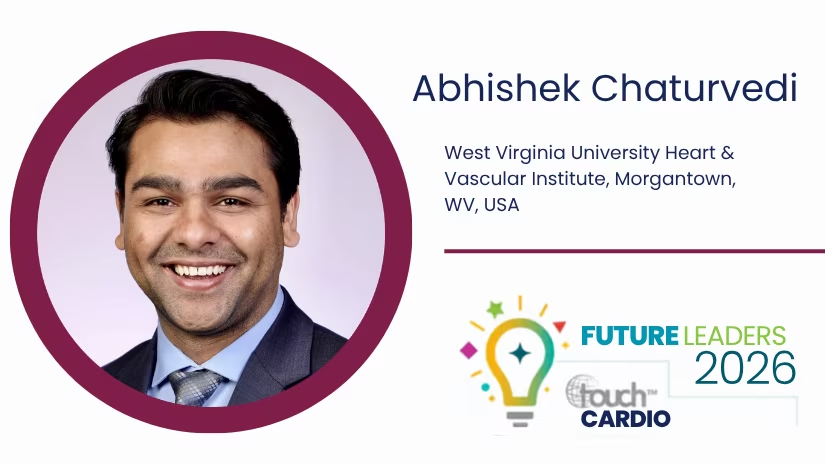
Dr Abhishek Chaturvedi is a cardiologist and touchCARDIO Future Leader 2026. In this interview, he discusses his journey into cardiology, the mentors and experiences that shaped his career, his passion for interventional cardiology and cardiovascular research, and the importance of combining clinical excellence, scientific discovery and global health initiatives to improve patient outcomes.
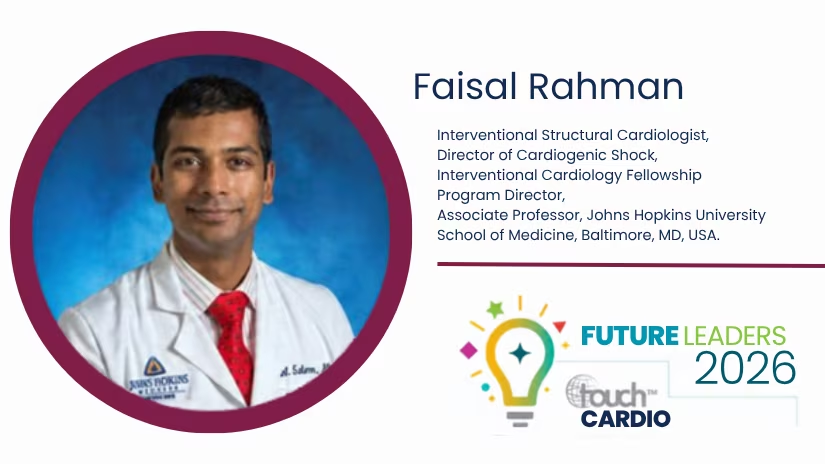
Dr Faisal Rahman is an interventional structural cardiologist and touchCARDIO Future Leader 2026. In this interview, he discusses his journey into cardiology, the mentors and role models who shaped his career, the rewards of caring for complex patients and developing trainees, and his vision for advancing cardiogenic shock, structural heart disease, research and education.
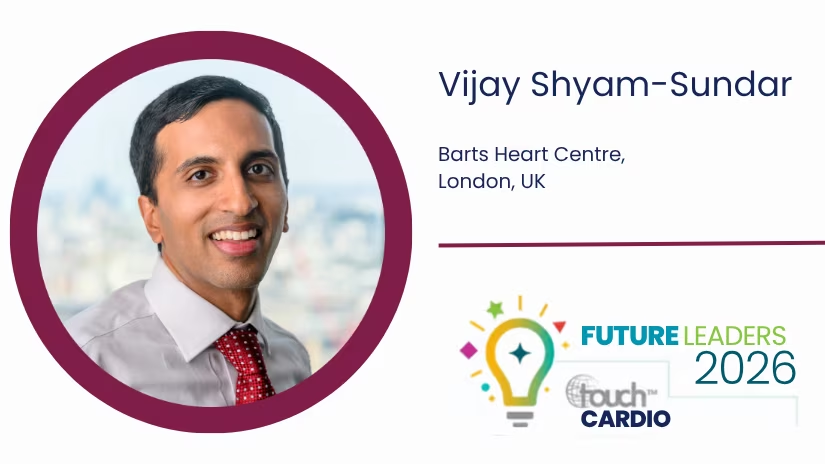
Dr Vijay Shyam-Sundar is a cardiologist and touchCARDIO Future Leader 2026. In this interview, he discusses his journey into cardiology and clinical academia, the mentors who shaped his career, the challenges of research funding, and his work developing artificial intelligence to improve cardiovascular care, as well as his vision for the safe, explainable and effective use of AI in clinical practice.

Prof. Jens Cosedis Nielsen discusses the DANISH-CRT trial, why targeted electrical mapping did not improve outcomes, and the questions that remain around the future of cardiac resynchronization therapy.
Cardiovascular care continues to evolve in response to increasingly complex clinical realities, where advances in intervention, electrophysiology and population health must be integrated with a more critical appraisal of long-held assumptions. Across disciplines, there is a growing recognition that improving ...
touchCARDIO Future Leaders 2026 Following the successful introduction last year of our touchCARDIO Future Leaders, we are delighted to announce that nominations are now open for the 2026 edition. This initiative celebrates the next generation of pioneers in cardiology, those whose passion, ...
After decades of debate, patent foramen ovale (PFO) closure is now a well-established strategy to reduce recurrent stroke in patients aged 18–60 years who have had a PFO-associated stroke.1 Patients who underwent PFO closure continue to have a higher stroke risk ...

New late-breaking data presented on Day 3 of EuroPCR 2026 highlighted evolving approaches to antiplatelet therapy, transcatheter treatment of pure aortic regurgitation and procedural optimization in bicuspid TAVR

Day 2 hotline data at EuroPCR 2026 highlighted improved outcomes with FFR-guided PCI in TAVI, comparable 10-year survival with PCI and CABG in left main disease and consistent LAAC benefits across age groups.
Data presented on the first day of EuroPCR 2026, Paris, highlighted continued advances in lipid lowering, coronary scaffold technology and vessel restoration strategies. From substantial reductions in cardiovascular events with aggressive LDL-cholesterol lowering to encouraging long-term outcomes with next-generation bioresorbable and adaptive coronary devices, these studies offered important insights into the future direction of PCI and secondary prevention.

At EHRA 2026, new research from Dr Kerollos Abdelsayed highlighted perioperative inflammation as a modifiable driver of conduction disturbances after TAVI, opening the door to novel pharmacologic and device-based solutions.

Balloon aortic valvuloplasty (BAV) has experienced a complex evolution in clinical practice, transitioning from an early therapeutic innovation to limited use, and more recently to a redefined role in the era of transcatheter aortic valve implantation (TAVI). In the first of our new practice pearls series, In Rhythm, Dr Gustavo Samaja (Sanatorio Colegiales, Buenos Aires, Argentina) shares practical insights into the contemporary role of BAV, including patient selection, procedural strategies, and its use as both a bridge and a decision-making tool. He also discusses how evolving healthcare systems and resource considerations continue to shape the balance between BAV and TAVI in everyday clinical practice.

Cardiovascular medicine continues to advance at a remarkable pace, driven by innovation, interdisciplinary collaboration and an ever-deepening understanding of disease mechanisms. As patient populations age and chronic conditions become increasingly complex, the field stands at the intersection of precision therapy, ...

Between 29 August and 1 September 2025, Madrid hosted one of the most globally ambitious gatherings in cardiovascular medicine: ESC Congress 2025, held alongside the World Congress of Cardiology. Under the unifying theme “Cardiology Beyond Borders,” the meeting spotlighted how cardiovascular disease is woven into broader global health challenges — from disparities in care access to climate, pandemics and social determinants of health. With over 33,000 participants from 169 countries, the Congress set new attendance records and featured more than 190 studies released in tandem with leading journals.

S3E1_What impact does sleep have on physicians and their patients? We all know sleep is important, but what happens when physicians don’t get enough? In this episode of Visionary Voices, we welcome Associate Professor Grace Vincent from ...
Long-term results from the DanGer Shock trial confirm that early mechanical circulatory support can improve survival in STEMI-related cardiogenic shock. Professor Peter Clemmensen highlights the need to individualise treatment, particularly in elderly patients, and calls for greater emphasis on prevention and global cardiovascular health to ensure advances translate across diverse healthcare settings.
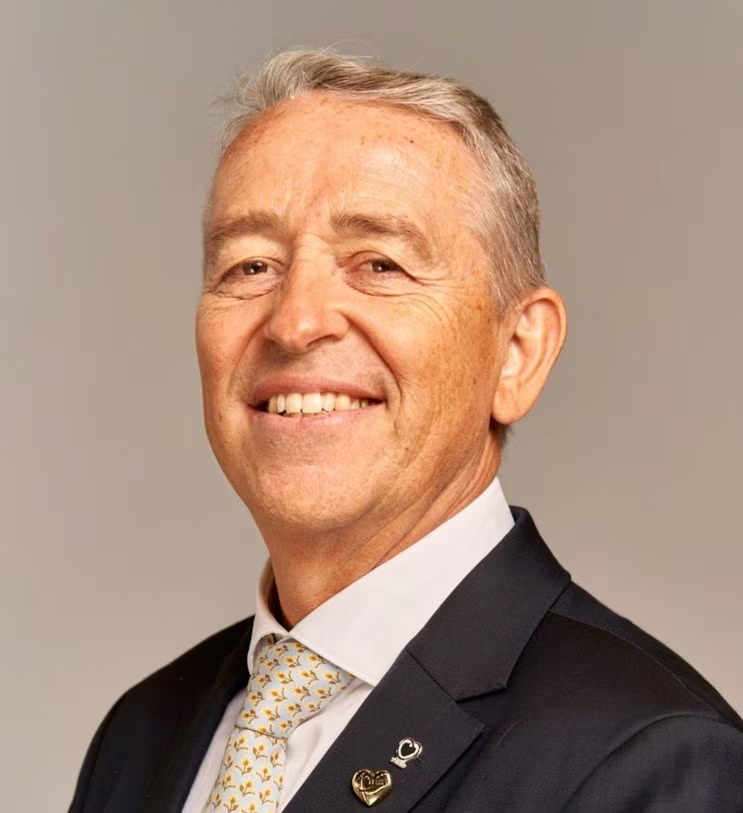
Late-breaking data from ESC 2025 are set to reshape daily cardiology practice, with Dr José Luis Merino highlighting trials that challenge long-standing use of beta blockers, underscore the value of potassium optimization in ICD patients, and caution against routine aspirin in anticoagulated individuals, while also pointing to artificial intelligence as an emerging tool in clinical decision-making.
Log into your Touch Account
Keep track of your clinical interests and newsletter subscriptions.
Sign up with an Email
Or use a .
Register now for FREE access
Already registered? Login below.
