Meet the cardiologists redefining the future of practice, research, and technology
The touchCARDIO Future Leaders 2026 have been nominated by the cardiology community to recognize the rising stars shaping the future of research and clinical care. These clinicians, researchers and innovators are driving progress across the specialty, advancing clinical practice, challenging convention and improving patient outcomes.
New insights are added regularly, covering a broad range of subspecialties and evolving clinical scenarios. Sign up below for Free Access to the latest clinical updates in your specialty!
 Faisal Rahman
Johns Hopkins University School of Medicine, Baltimore, MD, USA
Interventional cardiology
“[One of the most rewarding moments in my journey] is changing something at the level of the system or through research, so the benefits reach patients I will never meet.”
→ Read more about interventional cardiology
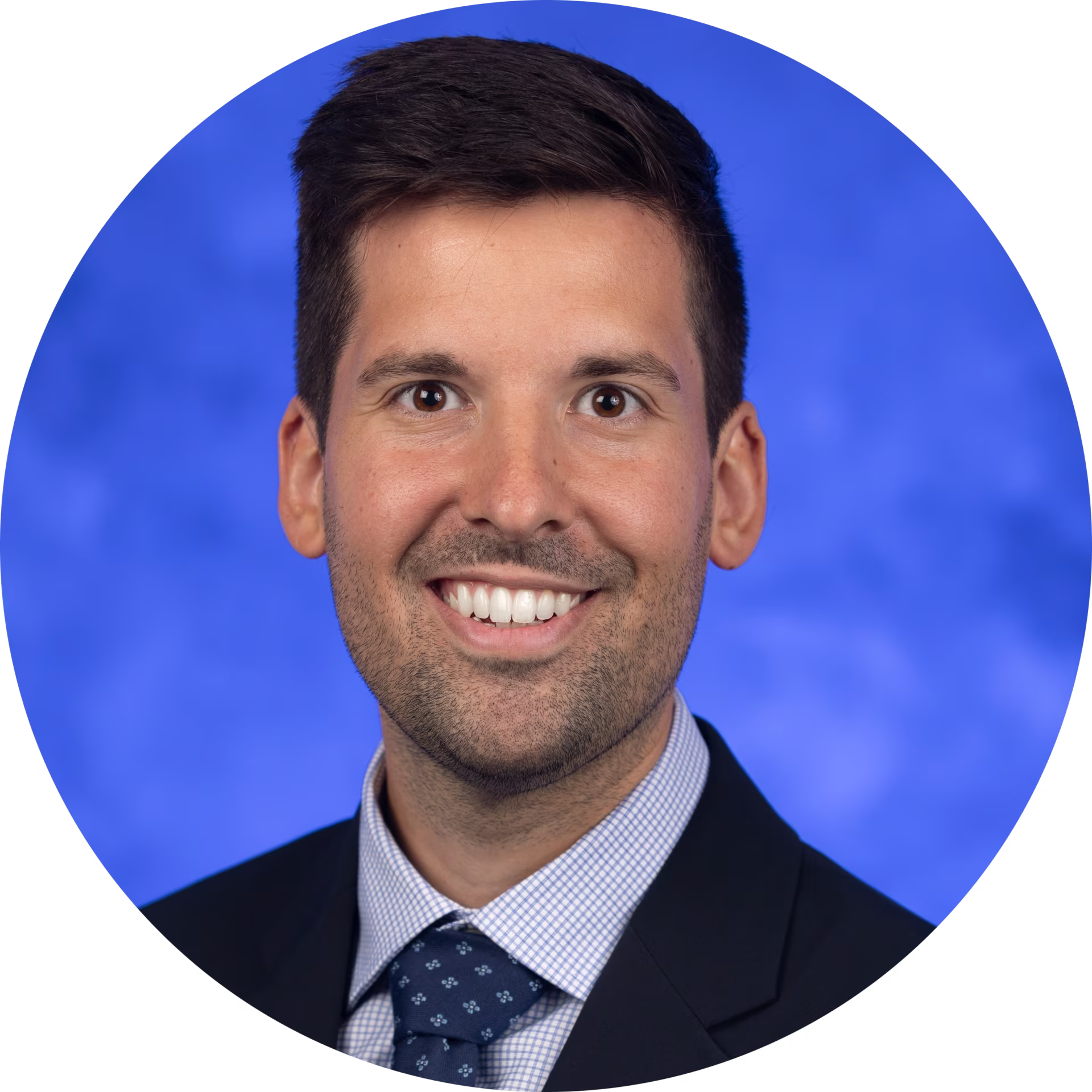 Maxime Caru
Department of Pediatrics, P
enn State College of Medicine, Hershey, PA, USA
Cardio-oncology
“One step at a time, our goal is to improve survivorship outcomes and help reduce the risk of treatment-related cardiotoxicity for pediatric cancer patients.”
→ Read more about cardio-oncology
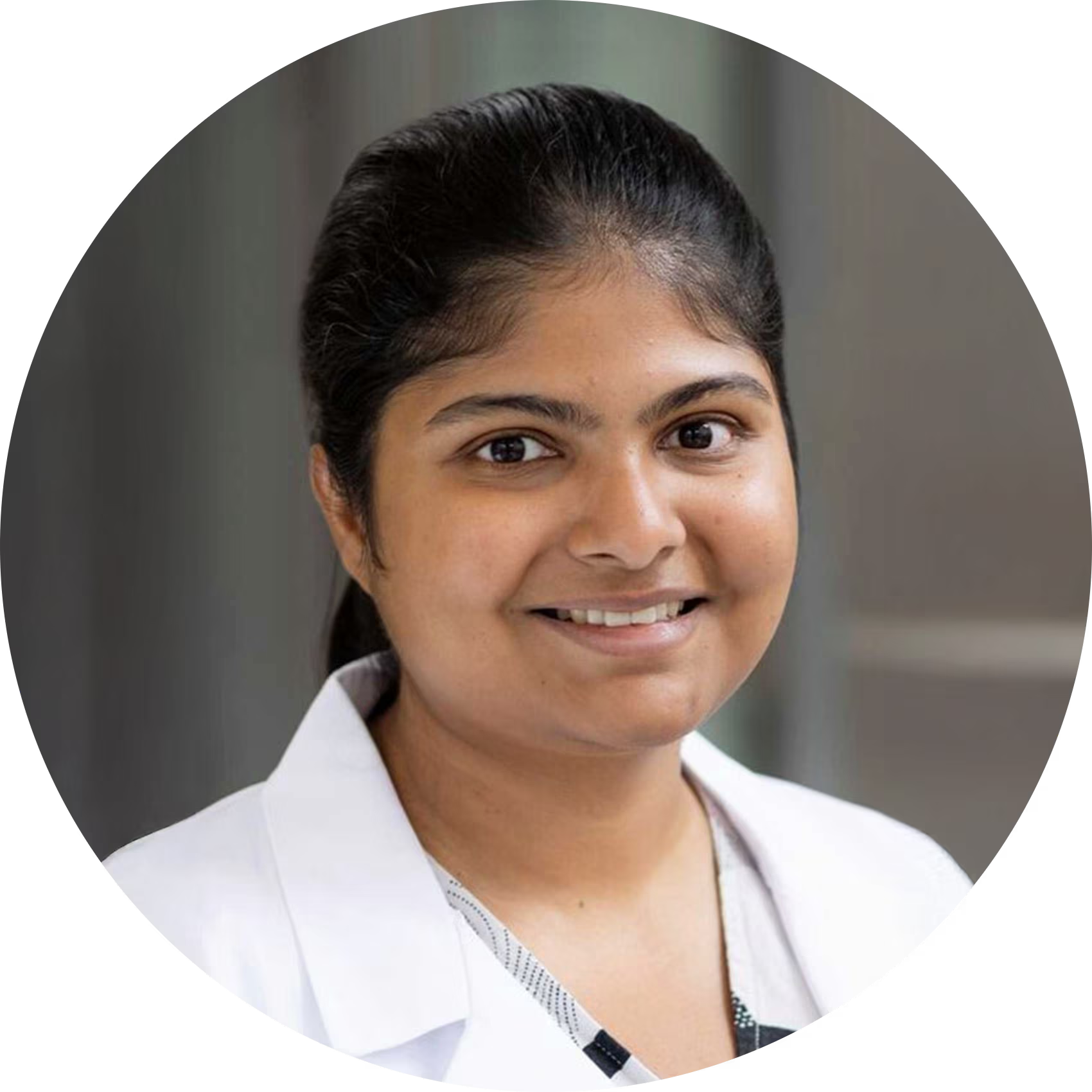 Ushasi Saraswati
Montefiore Medical Center, Bronx, NY, USA
Cardiovascular disease
“That has been one of the rewarding parts of my fellowship; it taught me that sometimes giving a patient a plan and a sense of direction can be just as important as the diagnosis or the treatment itself.”
→ Read more about cardiovascular disease
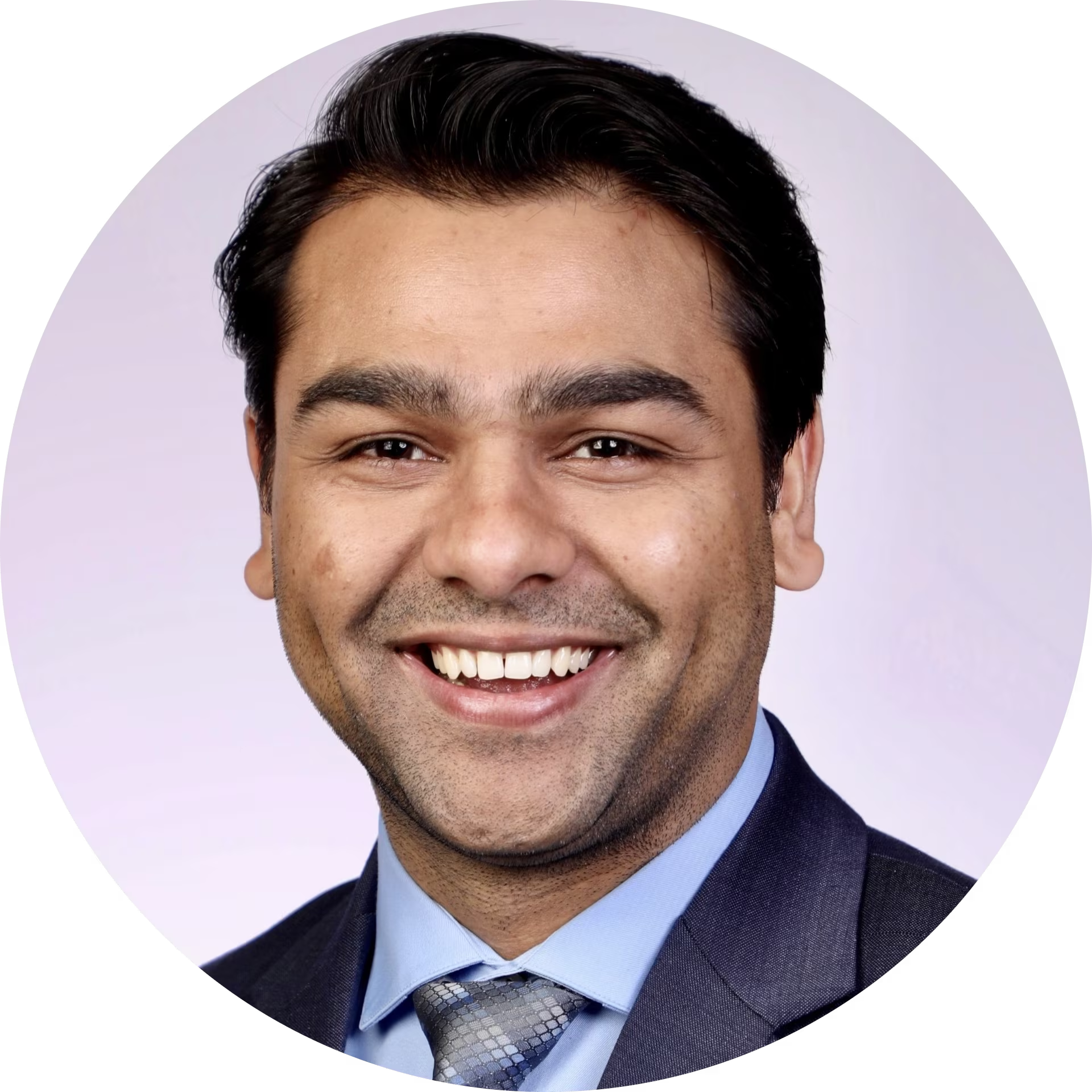 Abhishek Chaturvedi
West Virginia University, Morgantown, WV, USA
Interventional and structural cardiology
“Seeing someone arrive at the hospital critically ill, being able to intervene at a pivotal moment in their life and eventually watching them walk out of the hospital to reunite with their loved ones brings me a sense of fulfilment that is difficult to put into words.”
→ Read more about interventional and structural cardiology
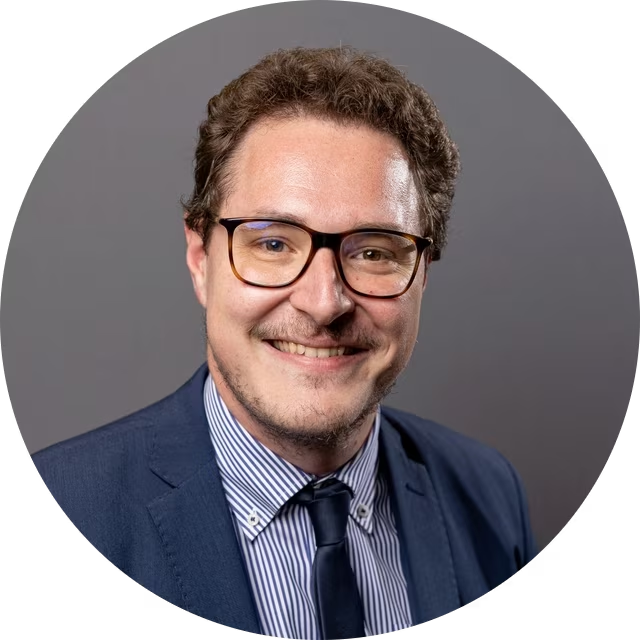 Aldostefano Porcari
University Hospital of Trieste, Trieste, Italy
Clinical cardiology
“Do not choose a specialty simply because you think you are supposed to adapt to it. Understand yourself first, and then find the specialty that fits the way you think, work and relate to people.”
→ Read more about clinical cardiology
 Alfredo Caturano
San Raffaele University of Rome, Rome, Italy
Cardiometabolic disorders
“At times, research feels like navigating through fog: you cannot see the whole route ahead, but careful work, collaboration and curiosity help you find the next point on the map. Even when a study does not confirm the original idea, it can tell us something valuable about the limits of our knowledge.”
→ Read more about cardiometabolic disorders
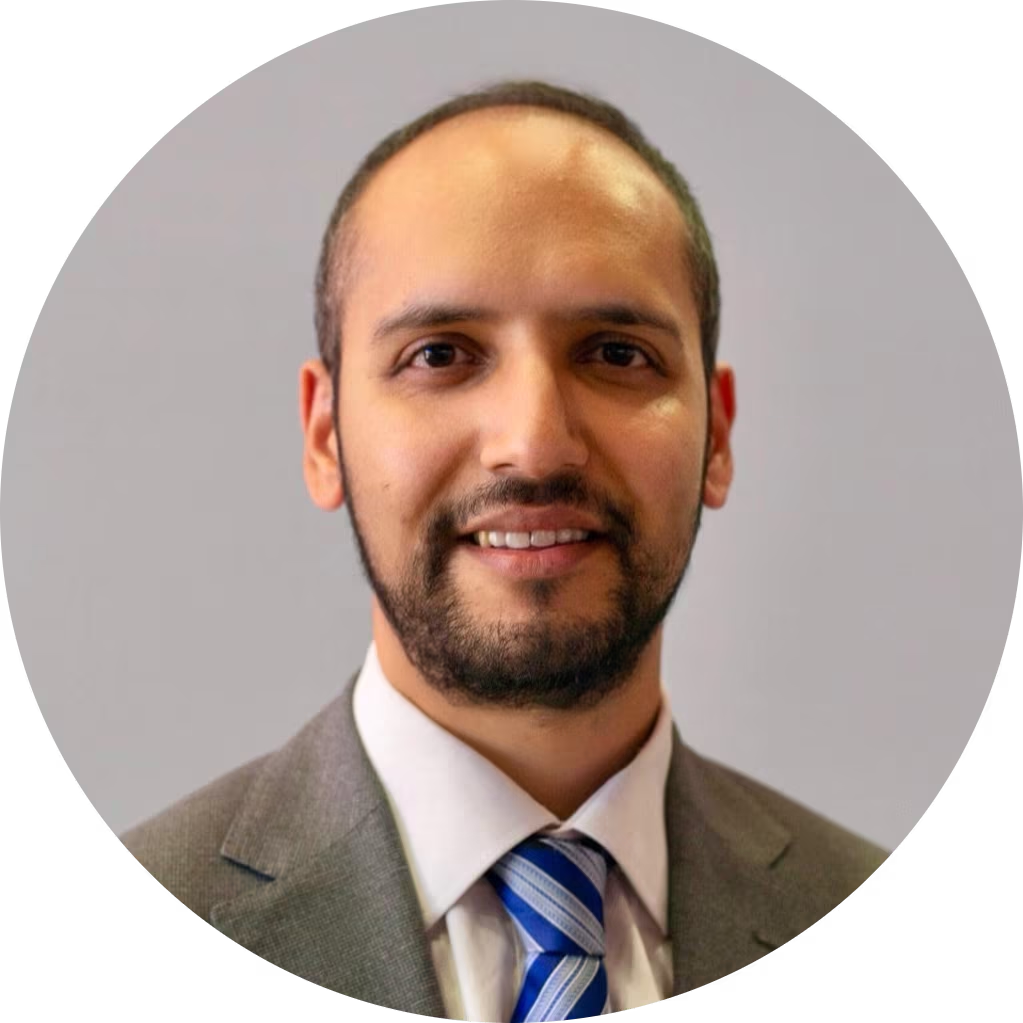 Arunashis Sau
Imperial College London, London, UK
Electrophysiology
“Much of the information about a patient sits in the ECG, imaging, electronic health records and the free-text notes clinicians write, but we rarely bring it together for the individual. Large language models now make it realistic to use unstructured clinical text at scale, and foundation models trained on large datasets can be adapted to many tasks with relatively little labelled data.”
→ Read more about electrophysiology and AI
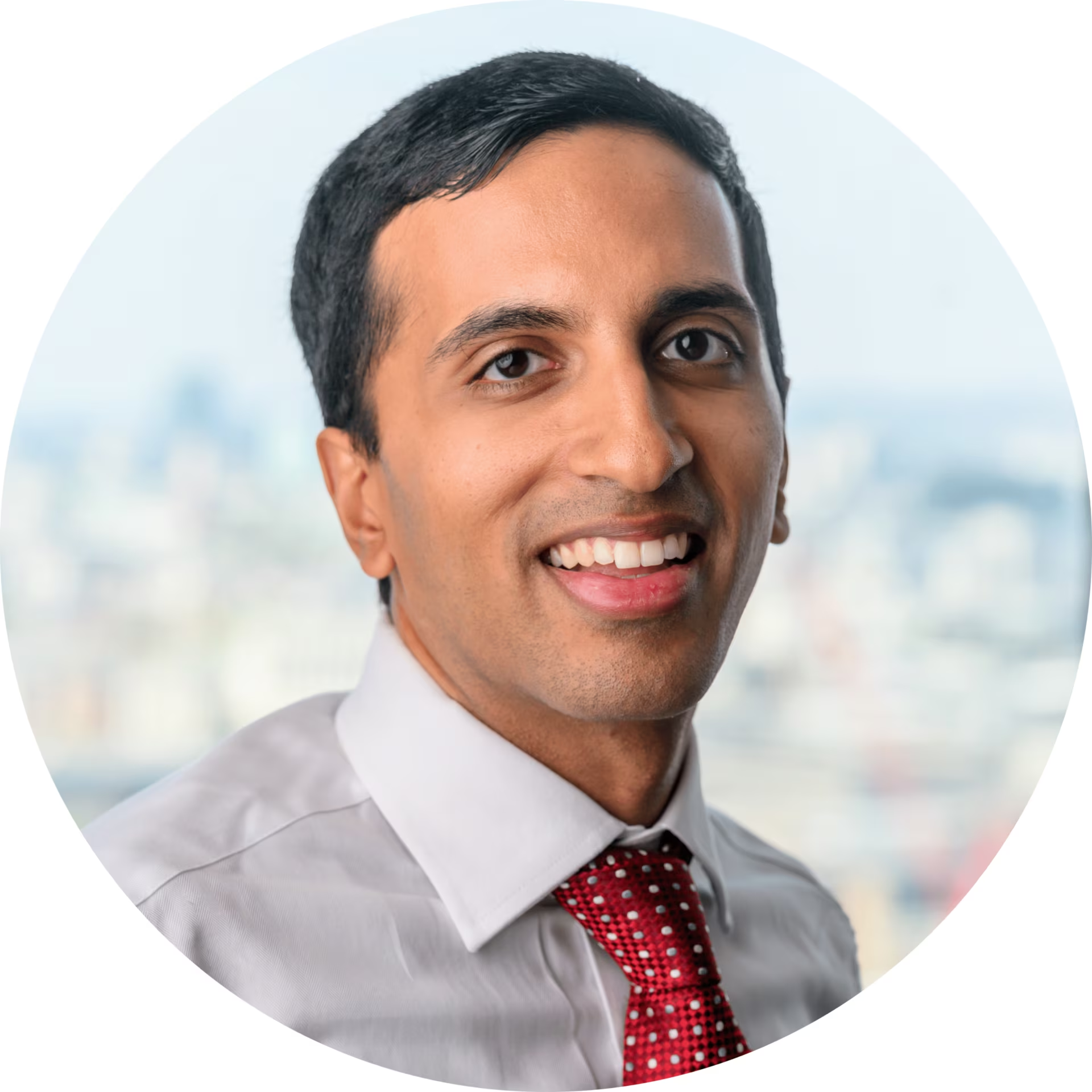 Vijay Shyam-Sundar
Barts Heart Centre, London, UK
Clinical cardiology and AI
“I think it is very important as clinicians, as academics and the wider community, in trying to understand how to evaluate these technologies and how to ensure that what is deployed and what is used by our patients and our clinicians is safe.”
→ Read more about clinical cardiology and AI
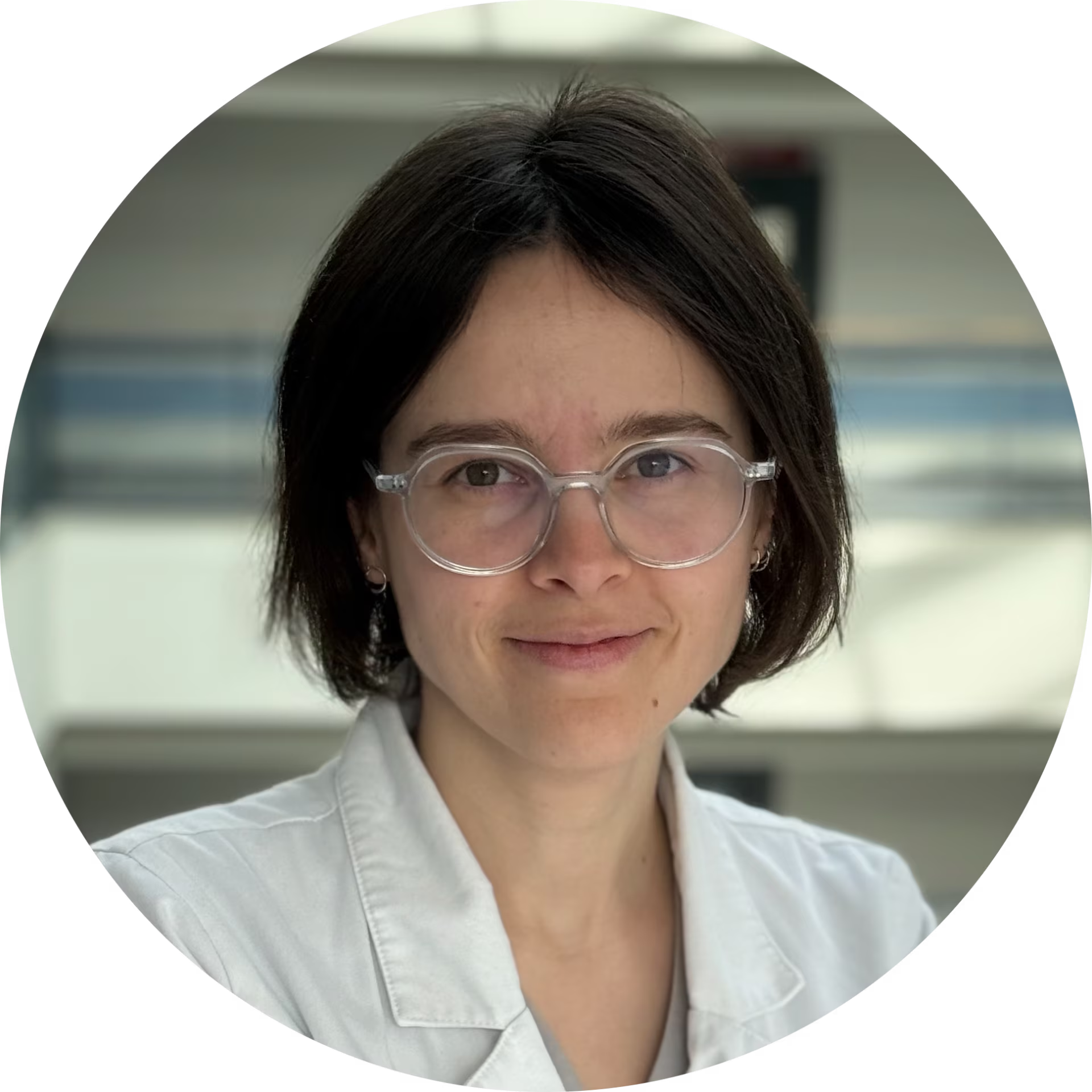 Kamilė Čerlinskaitė-Bajorė
Heart failure
“One of the most difficult things is to accept when you can no longer help a patient. Other challenges come from the particularities of the health care system, and I think many doctors encounter similar challenges. I try to do my best every day, seek support from family and colleagues and provide support to my colleagues as well.”
→ Read more about heart failure research
More from touchCARDIO Future Leaders
→ Look back at our Future Leaders from 2025
→ touchWRAPPED 2025: Your top reads, watches and listens in cardiology