
Cardiovascular Disease
An Introduction to Cardiovascular Disease
Cardiovascular diseases (CVDs) are the number one cause of death globally, taking an estimated 17.9 million lives each year. CVDs describe a number of conditions affecting the heart and circulation, including coronary heart disease, angina, congenital heart disease, hypertension and stroke. The huge and ever-increasing burden of CVDs on individuals and healthcare systems shows the urgent ongoing need for treatments and preventive measures.
Browse the content below where leading experts discuss the latest data in video interviews and short articles from our conference hub, and browse the selection of peer-reviewed articles from our journal portfolio. If you are looking to learn more about the impact of these developments on patient outcomes, our educational activities are a great resource.
Our supporting partners do not constitute an endorsement of the content on this page.


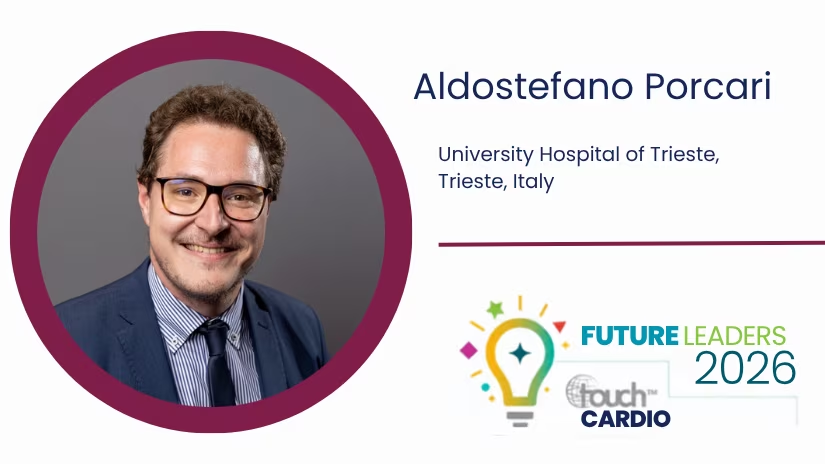
Dr Aldostefano Porcari is a Consultant Cardiologist and touchCARDIO Future Leader 2026. In this interview, he discusses his journey into cardiology, the mentors and experiences that shaped his career, the clinical reasoning that drives his interest in complex cases, and the importance of understanding your strengths and finding a specialty that aligns with who you are.
Meet the cardiologists shaping the future of the specialty. Our touchCARDIO Future Leaders 2026 are rising stars nominated by the cardiology community for their contributions to research, clinical practice and innovation. Discover the clinicians and researchers challenging convention, advancing care and driving progress across cardiology.
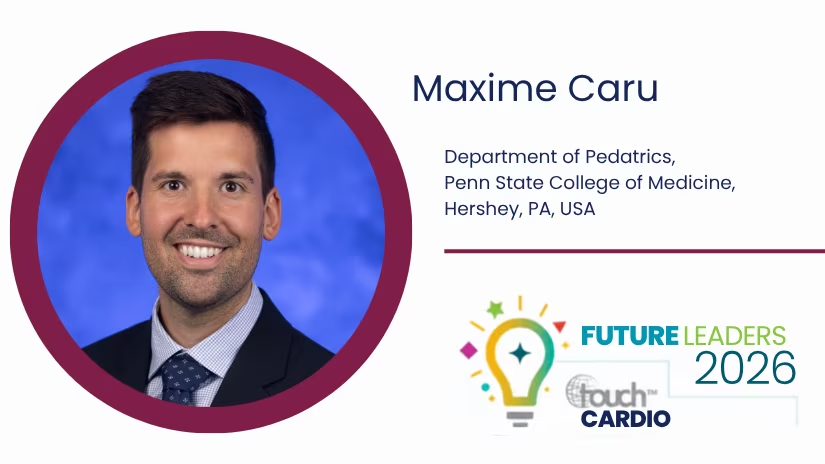
Dr Maxime Caru is a pediatric exercise physiologist, researcher and touchCARDIO Future Leader 2026. In this interview, he discusses his journey into cardio-oncology, the mentors who shaped his career, the role of physical activity in reducing treatment-related cardiotoxicity in pediatric cancer survivors and his vision for integrating exercise and supportive care into standard pediatric oncology practice.
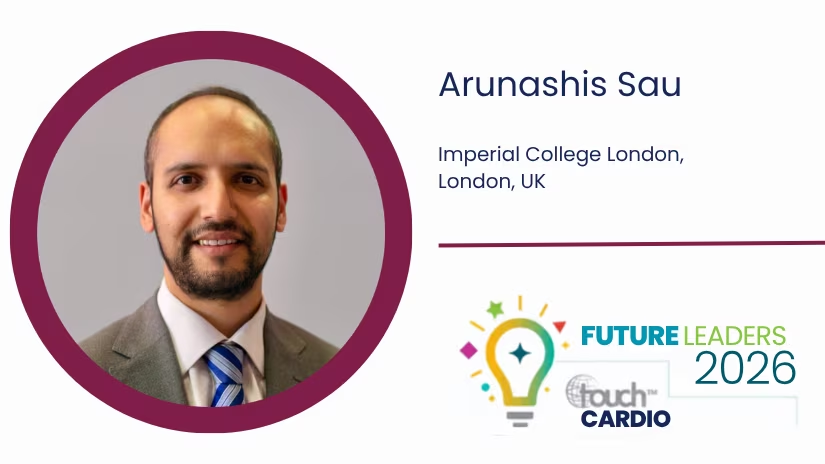
Dr Arunashis Sau is a cardiologist, electrophysiologist and touchCARDIO Future Leader 2026. In this interview, he discusses his journey into electrophysiology, the mentors who shaped his career, combining clinical training with research, and his work using artificial intelligence to unlock new insights from ECGs and other clinical data.
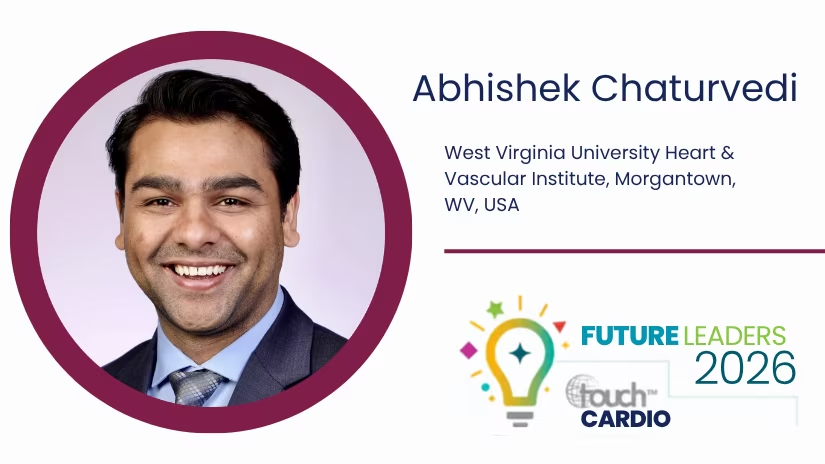
Dr Abhishek Chaturvedi is a cardiologist and touchCARDIO Future Leader 2026. In this interview, he discusses his journey into cardiology, the mentors and experiences that shaped his career, his passion for interventional cardiology and cardiovascular research, and the importance of combining clinical excellence, scientific discovery and global health initiatives to improve patient outcomes.
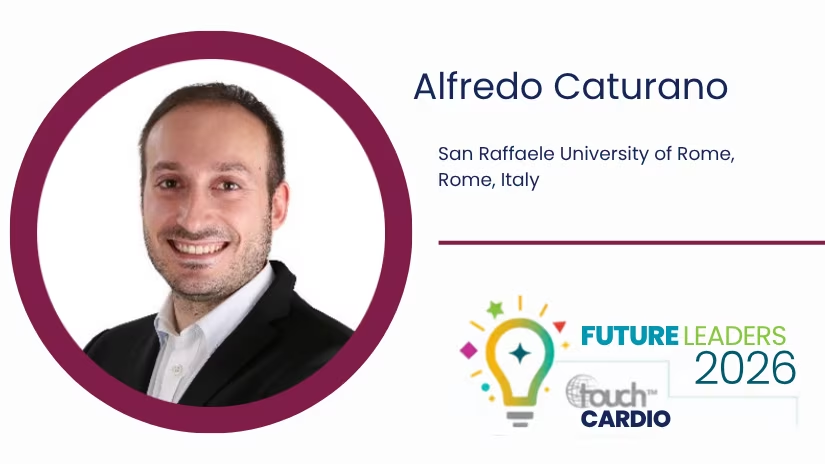
Dr Alfredo Caturano is an Assistant Professor of Internal Medicine and touchCARDIO Future Leader 2026. In this interview, he discusses his journey into cardiovascular and cardiometabolic medicine, the mentors who shaped his career, the challenges and rewards of clinical research, and the evolving links between diabetes, obesity and cardiovascular disease, as well as his vision for more personalised approaches to cardiometabolic care.
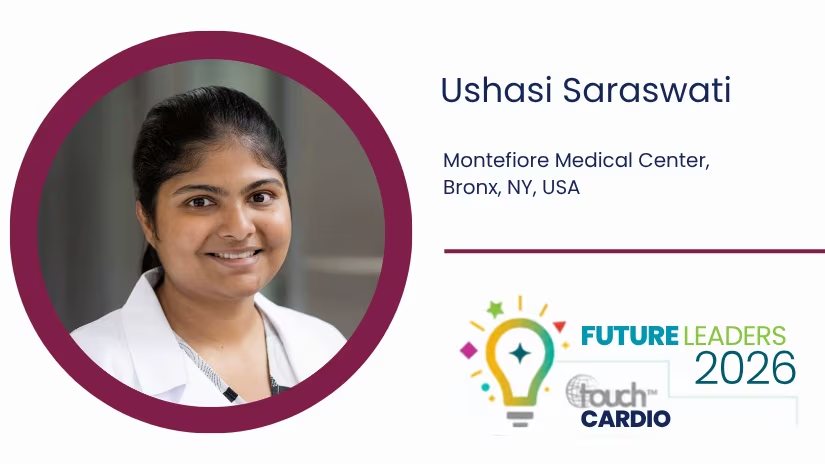
Dr Ushasi Saraswati is a physician specialising in cardiovascular medicine and touchCARDIO Future Leader 2026. In this interview, she discusses her journey into cardiology, the mentors who shaped her approach to medicine, the rewarding experience of caring for a patient with a complex diagnosis, and the importance of combining scientific curiosity and clinical expertise with compassion, clear communication and a commitment to patient-centred care.
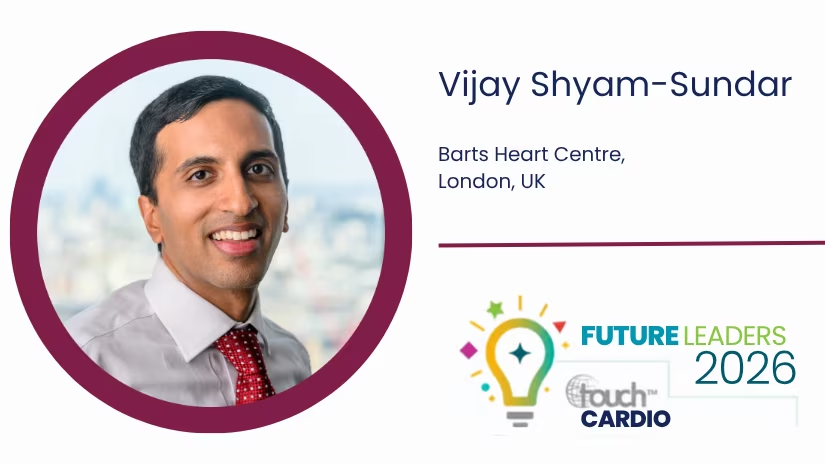
Dr Vijay Shyam-Sundar is a cardiologist and touchCARDIO Future Leader 2026. In this interview, he discusses his journey into cardiology and clinical academia, the mentors who shaped his career, the challenges of research funding, and his work developing artificial intelligence to improve cardiovascular care, as well as his vision for the safe, explainable and effective use of AI in clinical practice.


The PRESC1SE-MI trial found that a 0/1-hour pathway for assessing patients with suspected myocardial infarction was non-inferior to a more conservative 0/3-hour pathway for safety, but did not reduce the time patients spent in the emergency department.

At ESC Congress 2026, Dr Rami Abu Fanne (Hillel Yaffe Medical Center and Hadassah Medical Center, The Hebrew University of Jerusalem) presented an analysis exploring whether baseline vitamin D levels were associated with metabolic response to semaglutide in people with type 2 diabetes. The study included 5,300 adults and found that higher baseline vitamin D levels were associated with greater improvements in glycemic control and BMI after 12 months of treatment, although no association was observed with lipid outcomes. Dr Abu Fanne spoke to touchCARDIO about the findings and the questions they raise for future research.

The European Society of Cardiology (ESC) has published its first dedicated clinical practice guidelines on cardiac rehabilitation, calling for rehabilitation to be considered a core component of care across a broader range of cardiovascular conditions. Published in the European Heart ...

Prof. Maria Bäck discusses the first dedicated ESC Guidelines on cardiac rehabilitation, why personalization and multidisciplinary care are central to their recommendations, and the importance of increasing referral to rehabilitation programs.

Professor Arnoud van ’t Hof discusses the CELEBRATE trial, the potential benefits of administering antiplatelet therapy before patients with STEMI reach the catheterization laboratory, and what would be needed to translate this approach into clinical practice.

Large language models, wearables and mobile health technologies are increasingly being explored across cardiovascular research and clinical care. At ESC Congress 2026, Dr Jazmin Aguado-Sierra discussed where these tools could add value, and where questions around reliability remain.

AMUNDSEN showed that immediate initiation of evolocumab after myocardial infarction substantially increased LDL-C goal achievement, but did not significantly reduce death or cardiovascular hospitalization at 1 year. Starting evolocumab immediately after myocardial infarction (MI) more than doubled the proportion of patients ...

Phase III SHASTA-3 and SHASTA-4 results showed substantial and sustained triglyceride reductions with plozasiran, alongside fewer acute pancreatitis events.

Phase III ACACIA-HCM results show significant improvements in symptoms and functional capacity with aficamten in patients with symptomatic non-obstructive hypertrophic cardiomyopathy.
Log into your Touch Account
Keep track of your clinical interests and newsletter subscriptions.
Sign up with an Email
Or use a .
Register now for FREE access
Already registered? Login below.
